Bali Coffee Garden: A Journey Through Bali’s Coffee Culture
Introduction
Bali Coffee Garden is a captivating destination for coffee enthusiasts and nature lovers alike, located amidst the lush landscapes of Bali. This coffee plantation and garden offers visitors an immersive experience into the world of Balinese coffee, from bean to cup. Nestled in the fertile highlands, Bali Coffee Garden showcases the island’s rich coffee-growing heritage and provides a tranquil retreat for those looking to explore the natural and cultural beauty of Bali.
Historical and Cultural Significance
Bali has a long history of coffee cultivation, dating back to the early 18th century when coffee was first introduced to the island by Dutch colonists. The volcanic soil and ideal climate of Bali’s highlands create perfect conditions for growing high-quality Arabica and Robusta coffee beans. Bali Coffee Garden celebrates this legacy by preserving traditional farming methods and promoting sustainable coffee production.
Plantation Tour and Coffee Process
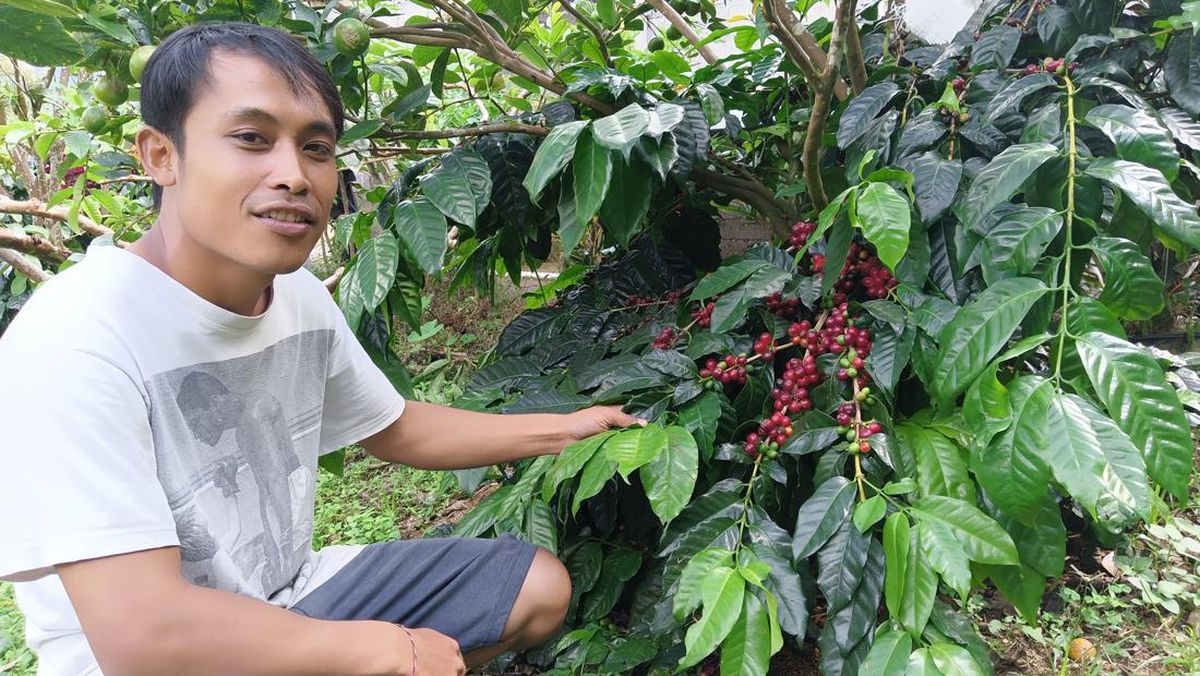
Visitors to Bali Coffee Garden can embark on guided tours that take them through the lush coffee plantations. The tour begins with an introduction to the coffee plants, where guides explain the differences between Arabica and Robusta beans, their growing conditions, and harvesting techniques. Visitors learn about the entire coffee production process, from planting and nurturing the coffee trees to picking the ripe cherries.
The tour also includes a visit to the processing facilities, where visitors can observe the traditional methods of pulping, fermenting, drying, and roasting coffee beans. Knowledgeable guides provide insights into the significance of each step and how it affects the flavor and quality of the final product. This hands-on experience allows visitors to appreciate the labor and skill involved in producing Bali’s renowned coffee.
Coffee Tasting Experience
One of the highlights of the Bali Coffee Garden visit is the coffee tasting session. Guests have the opportunity to sample a variety of freshly brewed Balinese coffees, including single-origin Arabica and Robusta, as well as unique blends. The tasting sessions are conducted by experienced baristas who guide visitors through the sensory experience of coffee tasting, teaching them how to identify different flavors, aromas, and textures.
In addition to traditional coffee, visitors can also try Bali’s famous Luwak coffee, made from beans that have been eaten and excreted by civet cats. While this specialty coffee is known for its smooth and distinctive flavor, The Garden ensures that it is produced ethically and sustainably.
Scenic Beauty and Relaxation
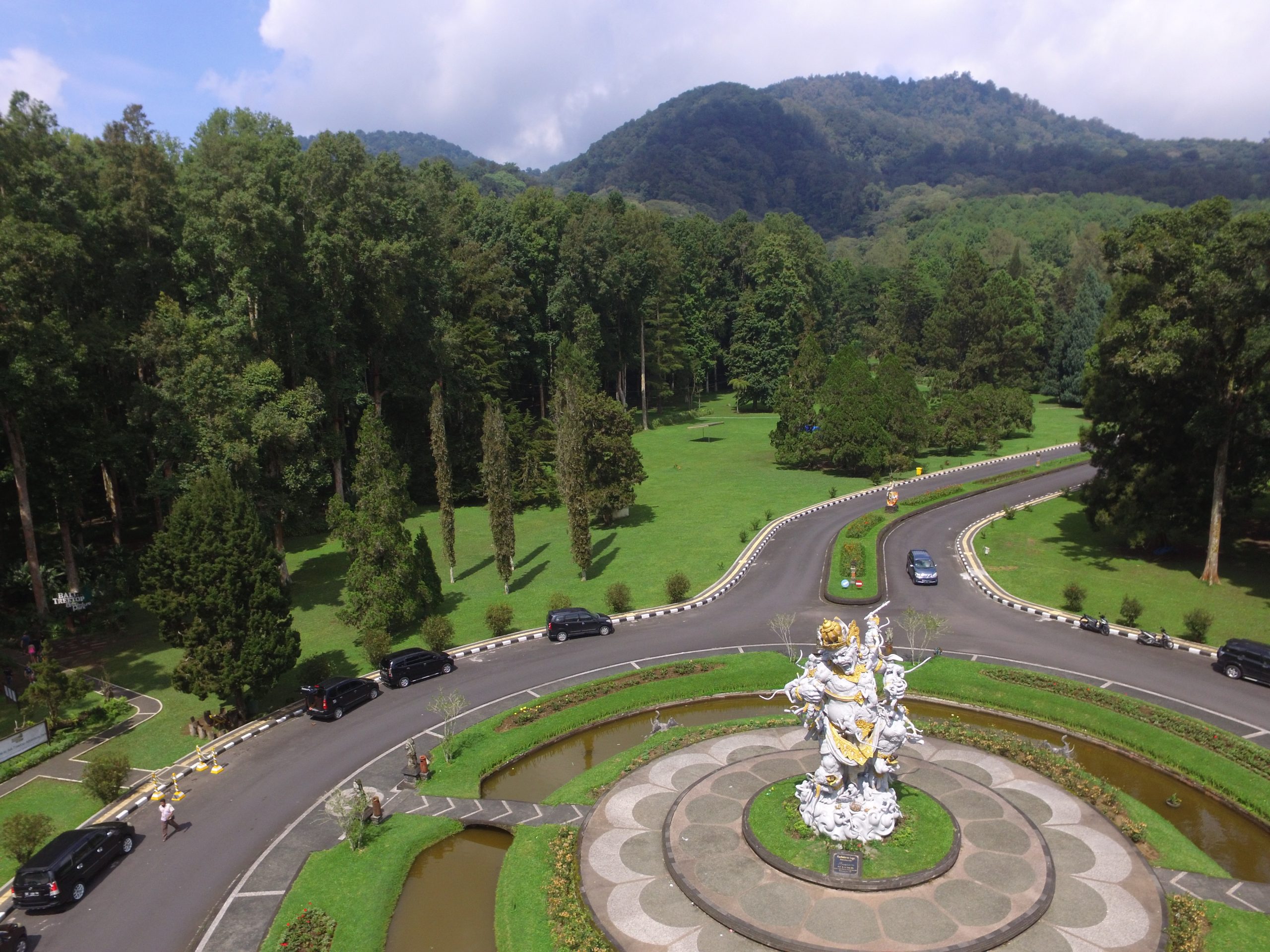
Bali Coffee Garden is set amidst breathtaking natural scenery, with panoramic views of terraced hillsides, dense forests, and distant volcanoes. The tranquil environment provides a perfect backdrop for relaxation and reflection. Visitors can stroll through the gardens, enjoy the fresh mountain air, and take in the stunning landscapes.
The garden also features a cozy café where visitors can savor freshly brewed coffee and local delicacies while enjoying the serene surroundings. The combination of delicious coffee, beautiful scenery, and a peaceful ambiance makes Bali Coffee Garden an ideal spot for unwinding and connecting with nature.
Conclusion
Bali Coffee Garden offers a unique and enriching experience for anyone interested in coffee, culture, and nature. By providing a comprehensive insight into the coffee production process, offering delightful tasting sessions, and showcasing Bali’s natural beauty, the garden creates a memorable visit for all. Whether you are a coffee aficionado or simply looking for a relaxing retreat, Bali Coffee Garden promises an unforgettable journey through the heart of Bali’s coffee culture.