

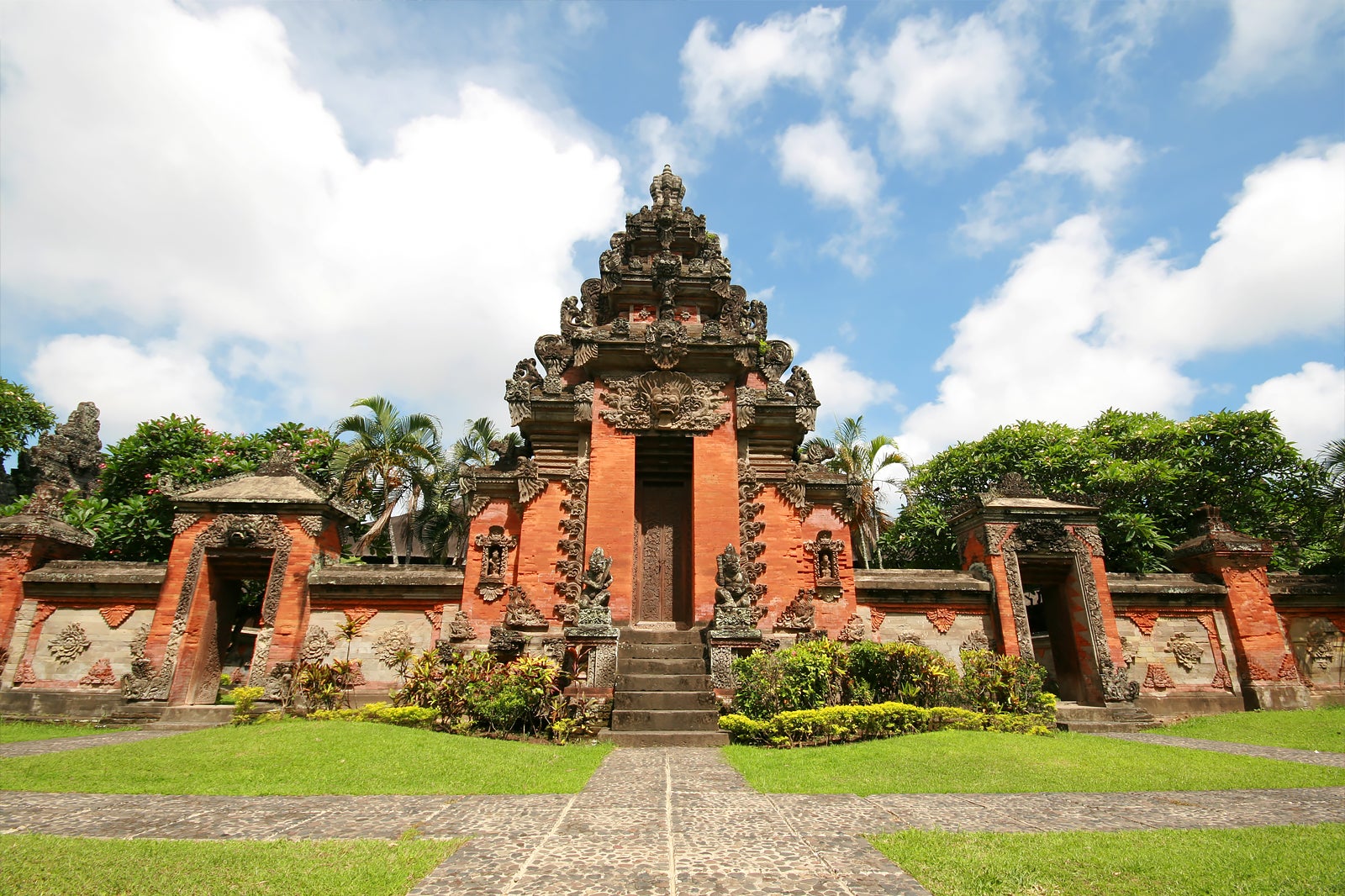

Bali Museum: A Gateway to the Island’s Rich Cultural Heritage
Introduction
Bali Museum, also known as Museum Negeri Propinsi Bali, is a cultural and historical landmark located in the heart of Denpasar, Bali’s capital city. Established in 1932, the museum offers a comprehensive overview of Bali’s vibrant history, art, and culture. It is a must-visit destination for those interested in exploring the island’s rich heritage and understanding the traditions that shape Balinese society.
Historical Background
The Bali Museum was established during the Dutch colonial period, with the initial concept inspired by local Balinese rulers and scholars who recognized the need to preserve and showcase their unique cultural heritage. The museum’s construction was completed in 1932, and it officially opened to the public in 1933. The architecture of the museum reflects traditional Balinese design, featuring ornate carvings, stone structures, and expansive courtyards, creating an authentic and inviting atmosphere.
Architectural and Cultural Significance
The museum complex consists of several distinct buildings, each dedicated to different aspects of Balinese culture and history. The main buildings include Tabanan, Karangasem, Buleleng, and Timur. Each building is named after a region in Bali and showcases artifacts and exhibits specific to those areas.
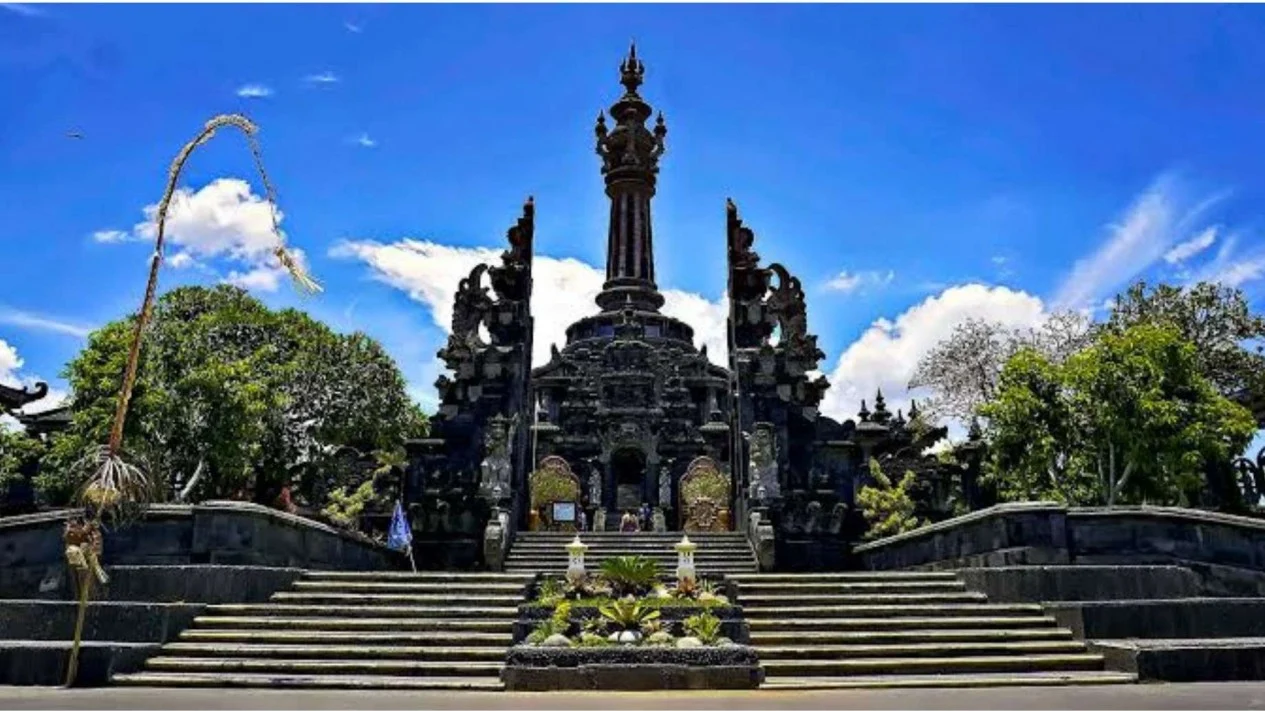
The architecture of the Bali Museum is a blend of traditional Balinese and colonial styles, designed by renowned architect P.J. Moojen and local artisans. The intricate stone carvings, traditional Balinese gates, and beautifully landscaped gardens enhance the cultural ambiance of the museum, making it a visual delight for visitors.
Exhibits and Collections
The Bali Museum houses an extensive collection of artifacts that span centuries of Balinese history. The exhibits are thoughtfully organized to provide visitors with a chronological journey through the island’s past.
- Prehistoric Gallery: This section showcases artifacts from Bali’s prehistoric era, including stone tools, pottery, and ancient relics. These exhibits offer insights into the early human settlements on the island.
- Archaeological Finds: Displays in this section include items from Bali’s early Hindu and Buddhist periods, such as bronze statues, ancient manuscripts, and ceremonial objects. These artifacts highlight the island’s early cultural and religious influences.
- Ethnographic Collection: This gallery features traditional Balinese textiles, costumes, masks, and musical instruments. It provides a comprehensive view of Balinese daily life, rituals, and artistic expressions.
- Art and Craft: The museum also showcases a wide range of Balinese art, including paintings, wood carvings, and traditional sculptures. These exhibits demonstrate the island’s rich artistic traditions and the skill of Balinese craftsmen.
Educational and Cultural Programs
In addition to its permanent exhibits, Bali Museum hosts a variety of educational programs, workshops, and cultural events. These activities aim to promote a deeper understanding of Balinese culture and heritage among both locals and tourists. Traditional dance performances, craft workshops, and lectures by cultural experts are regularly organized, providing an interactive and engaging experience for visitors.
Visitor Experience
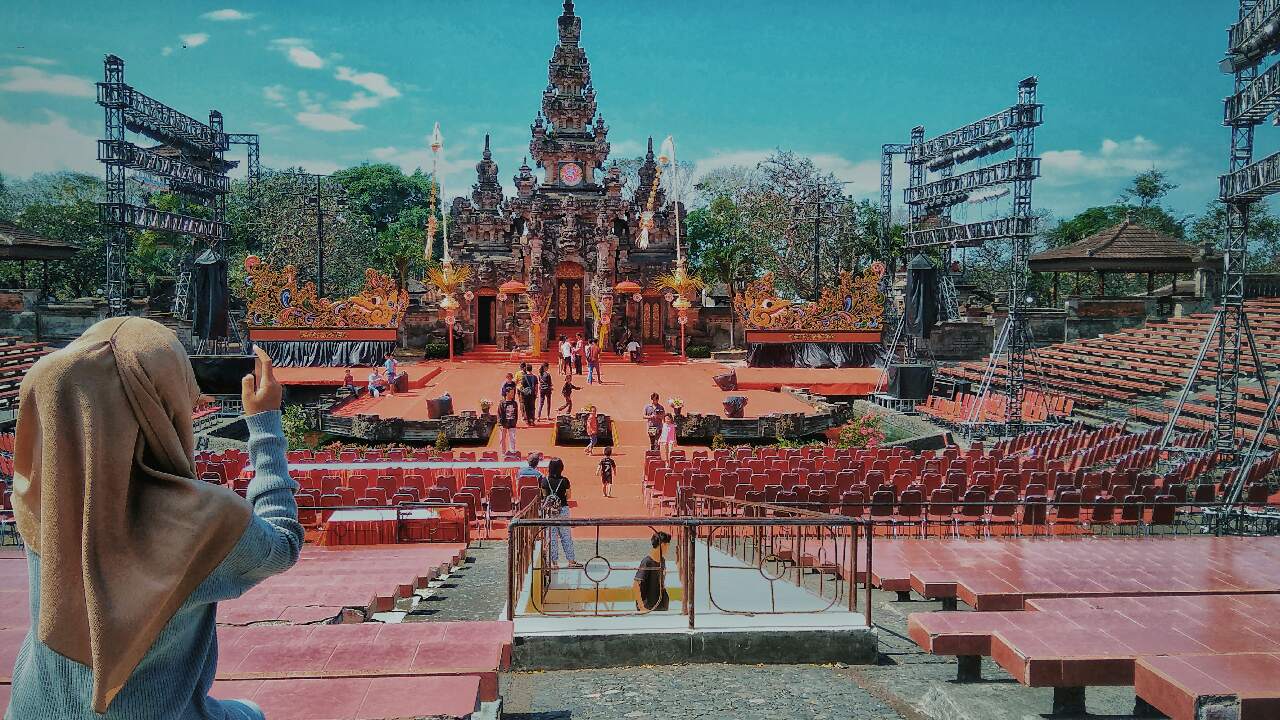
The Bali Museum offers a serene and informative environment where visitors can immerse themselves in the island’s cultural heritage. The museum’s beautifully maintained gardens and courtyards provide a peaceful setting for reflection and relaxation. Informative signage and guided tours enhance the visitor experience, offering detailed explanations of the exhibits and their historical context.
Conclusion
Bali Museum is a treasure trove of cultural and historical artifacts that provides a comprehensive insight into the island’s rich heritage. Whether you are a history enthusiast, an art lover, or simply curious about Balinese culture, a visit to the Bali Museum promises an enriching and educational experience. By preserving and showcasing Bali’s unique traditions and history, the museum plays a crucial role in maintaining the cultural identity of the island and sharing it with the world.