Good Guide

Tanah Lot Temple

Tanah Lot Temple

Tanah Lot Temple: Bali’s Iconic Seaside Sanctuary

Introduction

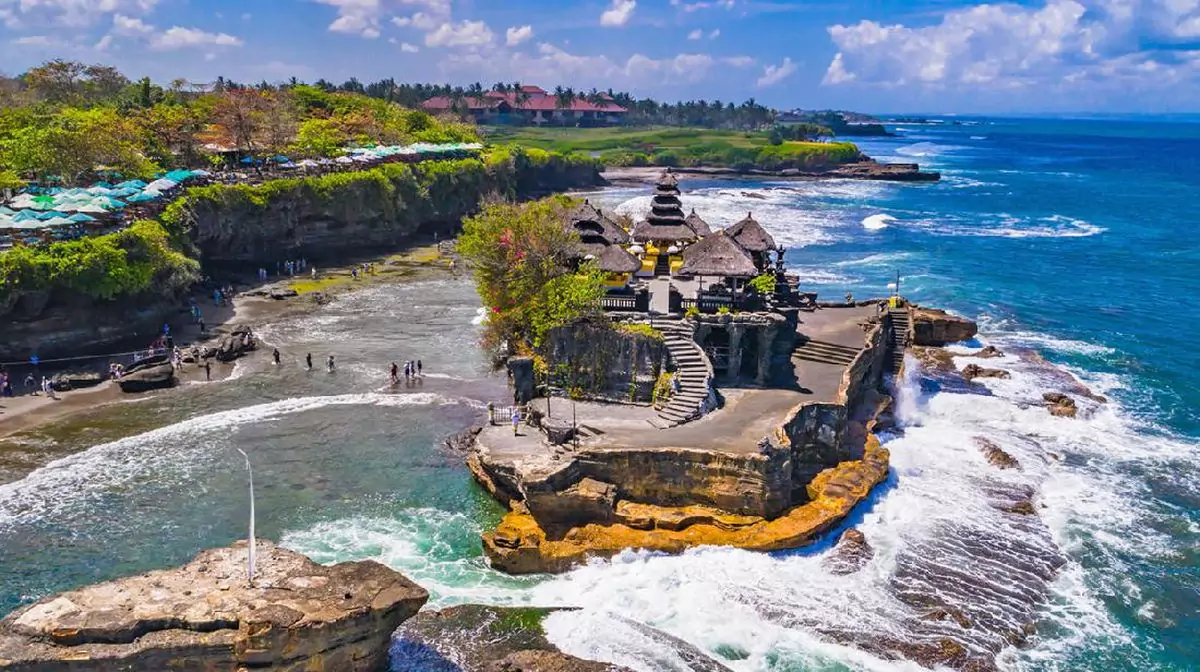
Tanah Lot Temple, known locally as Pura Tanah Lot, is one of Bali’s most iconic and revered sea temples. Perched on a rocky outcrop surrounded by the ocean, it is located on the southwestern coast of Bali, near the village of Beraban in the Tabanan Regency. This sacred site attracts visitors from around the world for its stunning sunsets, dramatic seascapes, and deep spiritual significance.

Historical and Cultural Significance

Tanah Lot, which means “Land in the Sea” in Balinese, is believed to have been established by the 16th-century Javanese priest Dang Hyang Nirartha. According to legend, Nirartha arrived at this spot during his journey along Bali’s southern coast and felt its spiritual power. He instructed the local fishermen to build a shrine on the rock to honor the sea gods.

The temple is dedicated to the sea deity, Dewa Baruna or Bhatara Segara, and plays a crucial role in Balinese mythology and religious practices. It is one of the seven sea temples that form a chain along Bali’s coast, each of which is within sight of the next, creating a spiritual protective barrier for the island.

Architectural and Natural Beauty

The unique location of Tanah Lot Temple, on a rock formation shaped over centuries by the ocean tides, gives it a distinct and enchanting appearance. During high tide, the temple appears as though it is floating on the water, accessible only by boat or by wading through shallow water. At low tide, visitors can walk across the rocky path to reach the base of the temple.

The temple complex includes several shrines and smaller temples, adorned with traditional Balinese architectural elements such as meru (tiered shrines), intricate stone carvings, and guardian statues. The main temple, standing majestically against the backdrop of the Indian Ocean, is a testament to Bali’s architectural and artistic heritage.

Spiritual Experience and Rituals

Tanah Lot is an active place of worship, where locals perform daily rituals and ceremonies. One of the most important ceremonies is the Melasti, held before the Balinese New Year (Nyepi), when the villagers bring temple paraphernalia to be cleansed by the sea.

Visitors to the temple can receive blessings from the temple priests, who offer holy water and flowers as symbols of purification and protection. The spiritual ambiance of Tanah Lot, coupled with the sound of crashing waves and the scent of incense, creates a deeply moving experience.

Sunset Views and Photography

Tanah Lot is renowned for its breathtaking sunsets. As the sun sets over the Indian Ocean, the temple is bathed in golden hues, creating a magical and picturesque scene. This makes it a popular spot for photographers and tourists alike, who come to capture the stunning views and dramatic silhouettes of the temple against the setting sun.

Amenities and Accessibility

The area surrounding Tanah Lot Temple is well-developed for tourists, with facilities including parking areas, souvenir shops, restaurants, and restrooms. The local market offers a variety of Balinese crafts and souvenirs, making it a great place to shop for unique gifts.

The temple is easily accessible from Bali’s main tourist areas, such as Kuta, Seminyak, and Ubud, making it a convenient day trip destination.

Conclusion

Tanah Lot Temple is more than just a scenic landmark; it is a place of profound spiritual significance and cultural heritage. Its dramatic seaside location, rich history, and beautiful architecture make it a must-visit destination for anyone traveling to Bali. Whether you are drawn by its religious importance, stunning views, or cultural experiences, a visit to Tanah Lot Temple promises to be a memorable and inspiring journey.
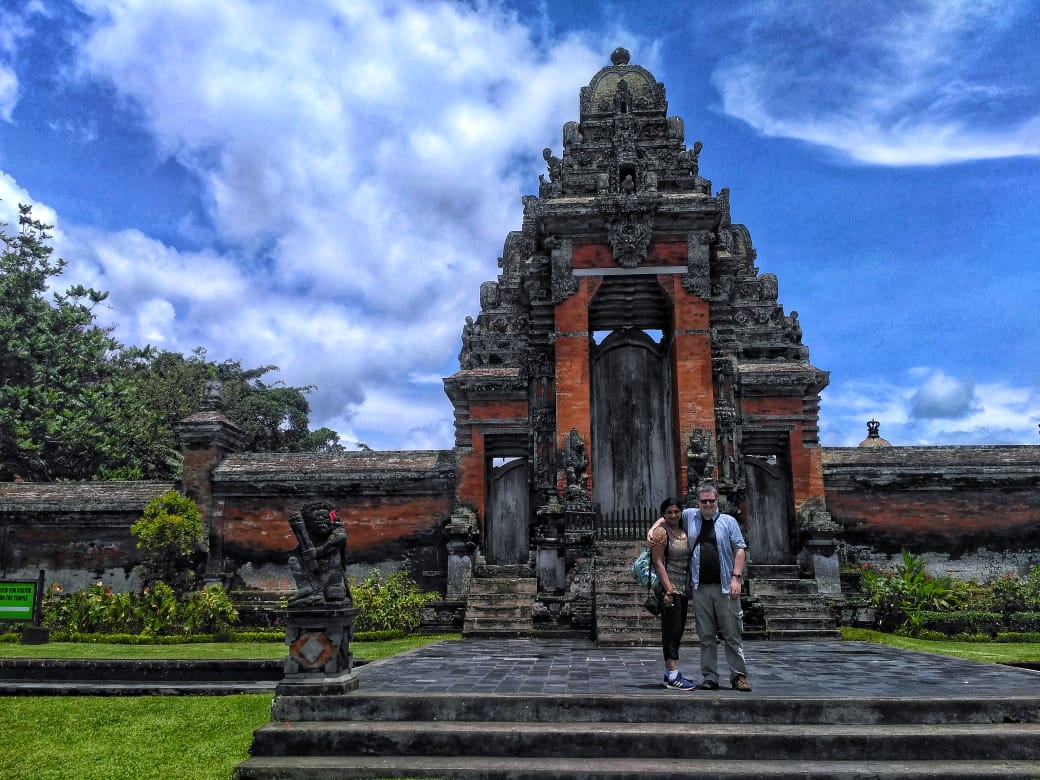
Taman Ayun Temple

Taman Ayun Temple

Taman Ayun Temple: The Majestic Royal Water Temple of Mengwi

Introduction

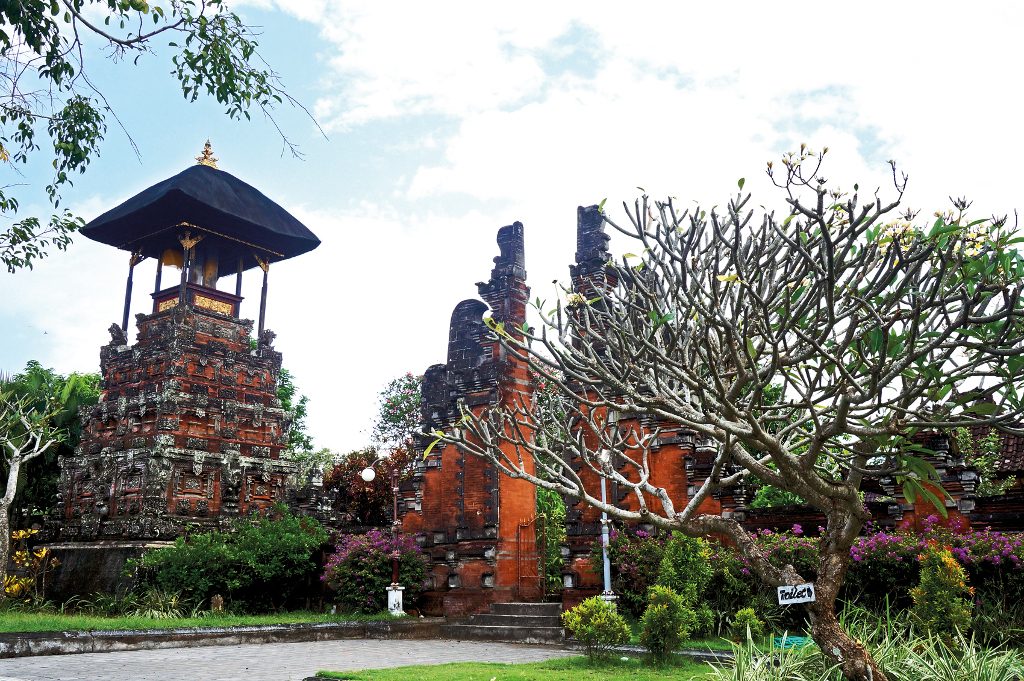
Taman Ayun Temple, located in the village of Mengwi in Bali, is a significant historical and cultural landmark. Known for its expansive grounds and stunning architectural design, this temple complex serves as a symbol of Balinese spiritual and royal heritage. Built in the 17th century, Taman Ayun, which means “beautiful garden,” lives up to its name with its well-manicured gardens, serene water features, and intricate temple structures.

Historical Significance

Taman Ayun Temple was constructed in 1634 by the ruler of the Mengwi Kingdom, Raja I Gusti Agung Putu, as a family temple and a place of worship for the Mengwi kingdom. The temple’s establishment was also aimed at bringing prosperity and peace to the kingdom. The temple complex underwent several renovations over the centuries, maintaining its historical and cultural significance.

Taman Ayun is part of the UNESCO World Heritage site known as the “Cultural Landscape of Bali Province: the Subak System as a Manifestation of the Tri Hita Karana Philosophy.” This recognition underscores its importance in the context of Bali’s cultural and agricultural heritage.

Architectural Beauty

The architectural design of Taman Ayun Temple is a testament to the ingenuity and artistry of Balinese temple construction. The temple is surrounded by a wide moat, giving it the appearance of floating on water. This design symbolizes the cosmic mountain and the world of gods, reflecting the Balinese concept of harmony between humans, nature, and the spiritual realm.

The temple complex is divided into three main courtyards, each representing different levels of spiritual significance. The outermost courtyard, Jaba, is a large, open area with lush gardens and a tranquil ambiance. The middle courtyard, Jaba Tengah, features smaller shrines and pavilions, used for various temple activities and ceremonies.

The innermost courtyard, Jeroan, is the most sacred part of the temple, accessible only to those conducting rituals. This area houses the temple’s main meru towers, multi-tiered shrines dedicated to various deities and ancestors. The highest meru, with eleven tiers, is dedicated to the supreme god, Sang Hyang Widhi Wasa.

Cultural Experience

Visitors to Taman Ayun Temple can immerse themselves in the rich cultural heritage of Bali. The temple is an active place of worship, where locals perform daily offerings and ceremonies. Witnessing these rituals provides insight into the spiritual practices and beliefs of the Balinese people.

The temple grounds also feature a museum that displays historical artifacts and provides information about the temple’s history and significance. This enhances the visitor experience by offering a deeper understanding of the cultural and religious context of Taman Ayun.

Scenic Beauty and Photography

Taman Ayun’s picturesque setting makes it a favorite spot for photographers and nature lovers. The serene water features, lush gardens, and intricate temple architecture create a harmonious and visually stunning environment. The reflection of the temple structures in the surrounding moat adds to the overall beauty, making it an ideal location for capturing the essence of Balinese temple aesthetics.

Conclusion

Taman Ayun Temple is a remarkable example of Balinese architectural elegance and spiritual significance. Its beautiful gardens, sacred shrines, and historical importance make it a must-visit destination for those seeking to explore Bali’s rich cultural heritage. A visit to Taman Ayun offers a serene and enriching experience, allowing visitors to appreciate the island’s unique blend of natural beauty and spiritual depth.

Lempuyang Temple

Lempuyang Temple

Lempuyang Temple: Bali’s Gateway to Heaven

Introduction

Lempuyang Temple, known locally as Pura Luhur Lempuyang, is one of Bali’s oldest and most revered temples. Nestled on the slopes of Mount Lempuyang in East Bali, this temple complex offers breathtaking views and a profound spiritual experience. It is also famously known as the “Gateway to Heaven” due to its iconic split gate that frames the majestic Mount Agung.

Historical and Cultural Significance

Lempuyang Temple is part of the Sad Kahyangan Jagad, the six holiest places of worship on Bali, believed to provide spiritual balance to the island. The temple’s history dates back over a thousand years, making it one of the oldest temples in Bali. It is dedicated to the supreme God, Ida Sang Hyang Widhi Wasa, in his manifestation as Icwara, the guardian of the east.

The temple complex consists of seven sanctuaries that ascend up the mountain, each representing different levels of spiritual progression. Pilgrims often undertake a pilgrimage, known as “mendak,” to visit all seven temples, which symbolizes their journey toward enlightenment.

The Gateway to Heaven

The most iconic feature of Lempuyang Temple is its split gate, known as Candi Bentar. This towering structure is beautifully adorned with traditional Balinese carvings and offers a stunning frame for Mount Agung. On clear days, the view through the gate appears otherworldly, giving rise to the nickname “Gateway to Heaven.”

The gate has become a popular spot for photographers and Instagram enthusiasts who flock to capture the striking juxtaposition of the temple architecture against the backdrop of the volcanic peak.

Scenic Trek and Views

Reaching Lempuyang Temple involves a scenic trek up Mount Lempuyang. The path to the main temple, Pura Penataran Agung, is lined with lush forests, stone steps, and traditional shrines. The hike offers panoramic views of Bali’s eastern coast, rolling hills, and terraced rice fields.

The climb to the temple is both a physical and spiritual journey. It is believed that the effort and devotion displayed during the ascent bring blessings and purification to those who undertake it. Along the way, visitors encounter monkeys and hear the sounds of birds, enhancing the sense of being immersed in nature.

Cultural Experience and Traditions

Visitors to Lempuyang Temple are required to follow traditional Balinese customs, including wearing a sarong and sash, which can be rented at the entrance. The temple complex is an active place of worship, where locals perform daily rituals and ceremonies. Witnessing these practices provides insight into Balinese Hinduism and the island’s rich cultural heritage.

Preservation and Respect

As a sacred site, Lempuyang Temple is maintained with great reverence. Visitors are encouraged to respect the spiritual atmosphere by keeping noise to a minimum and following guidelines set by the temple authorities. This helps preserve the sanctity and tranquility of the site for both worshippers and tourists.

Conclusion

Lempuyang Temple offers a unique blend of spiritual significance, natural beauty, and cultural immersion. The journey to the temple, highlighted by the iconic Gateway to Heaven, provides a profound experience that resonates with both locals and visitors. Whether seeking spiritual enlightenment, breathtaking views, or a deeper understanding of Balinese culture, a visit to Lempuyang Temple is a memorable and enriching experience in the heart of Bali.

Rambut Siwi Temple

Rambut Siwi Temple

Rambut Siwi Temple: A Sacred Coastal Sanctuary in Bali

Introduction

Rambut Siwi Temple, or Pura Rambut Siwi, is one of Bali’s most revered and picturesque temples, situated on the island’s southwestern coast in the Jembrana Regency. Overlooking the Indian Ocean, this temple is a serene and spiritual site steeped in history and Balinese Hindu culture. Its name, which means “hair worship,” is derived from a legendary tale associated with the revered Hindu priest, Dang Hyang Nirartha.

Historical Significance

The origins of Rambut Siwi Temple date back to the 16th century, during the Majapahit Empire’s influence on Bali. According to local legend, the temple was established by Dang Hyang Nirartha, a prominent Hindu priest who traveled across Bali spreading religious teachings and establishing temples. It is said that Nirartha gave a lock of his hair (rambut) to the villagers for protection, and this sacred relic is enshrined within the temple, giving the temple its name.

Temple Complex and Architecture

Rambut Siwi Temple is perched on a cliff, offering breathtaking views of the Indian Ocean and the surrounding landscape. The temple complex is expansive, comprising several smaller shrines and courtyards that are spread across a large area. The main temple area is accessible via a flight of steps that lead visitors through lush greenery and traditional Balinese gates, known as candi bentar.

The architecture of Rambut Siwi Temple is a testament to classical Balinese design, with intricately carved stonework, thatched roofs, and elaborate statues of Hindu deities. The temple’s serene ambiance is enhanced by the sound of crashing waves and the gentle sea breeze, making it a peaceful retreat for worshippers and visitors alike.

Spiritual and Cultural Importance

Rambut Siwi Temple holds great spiritual significance for the Balinese people. It is a site of pilgrimage where locals come to pray for protection, prosperity, and blessings. The temple is dedicated to the worship of Siwa (Shiva), and various other Hindu deities, and plays a central role in the island’s religious festivals and ceremonies.

One of the most important rituals at Rambut Siwi is the Odalan ceremony, which is held every 210 days according to the Balinese Pawukon calendar. During this festival, the temple is adorned with colorful decorations, and the community comes together to offer prayers, perform traditional dances, and present offerings to the deities.

Natural Beauty and Tranquility

The location of Rambut Siwi Temple provides a perfect blend of spiritual and natural beauty. The temple’s vantage point offers stunning panoramic views of the coastline, making it an ideal spot for sunset viewing. The surrounding area is rich in flora and fauna, adding to the temple’s tranquil and serene atmosphere.

Visitors to the temple can also explore the nearby black sand beach, which is often less crowded than other tourist spots in Bali. This secluded beach offers a peaceful environment to relax and reflect, away from the hustle and bustle of the more commercialized areas.

Conclusion

Rambut Siwi Temple is a significant cultural and spiritual landmark in Bali, offering a unique glimpse into the island’s religious heritage and natural beauty. Its historical roots, stunning architecture, and serene location make it a must-visit destination for those seeking to experience the rich cultural tapestry of Bali. Whether you are a spiritual seeker, a history enthusiast, or simply looking for a tranquil escape, Rambut Siwi Temple provides a profound and enriching experience.

Uluwatu Temple

Uluwatu Temple

Uluwatu Temple: Bali’s Cliffside Sanctuary

Introduction

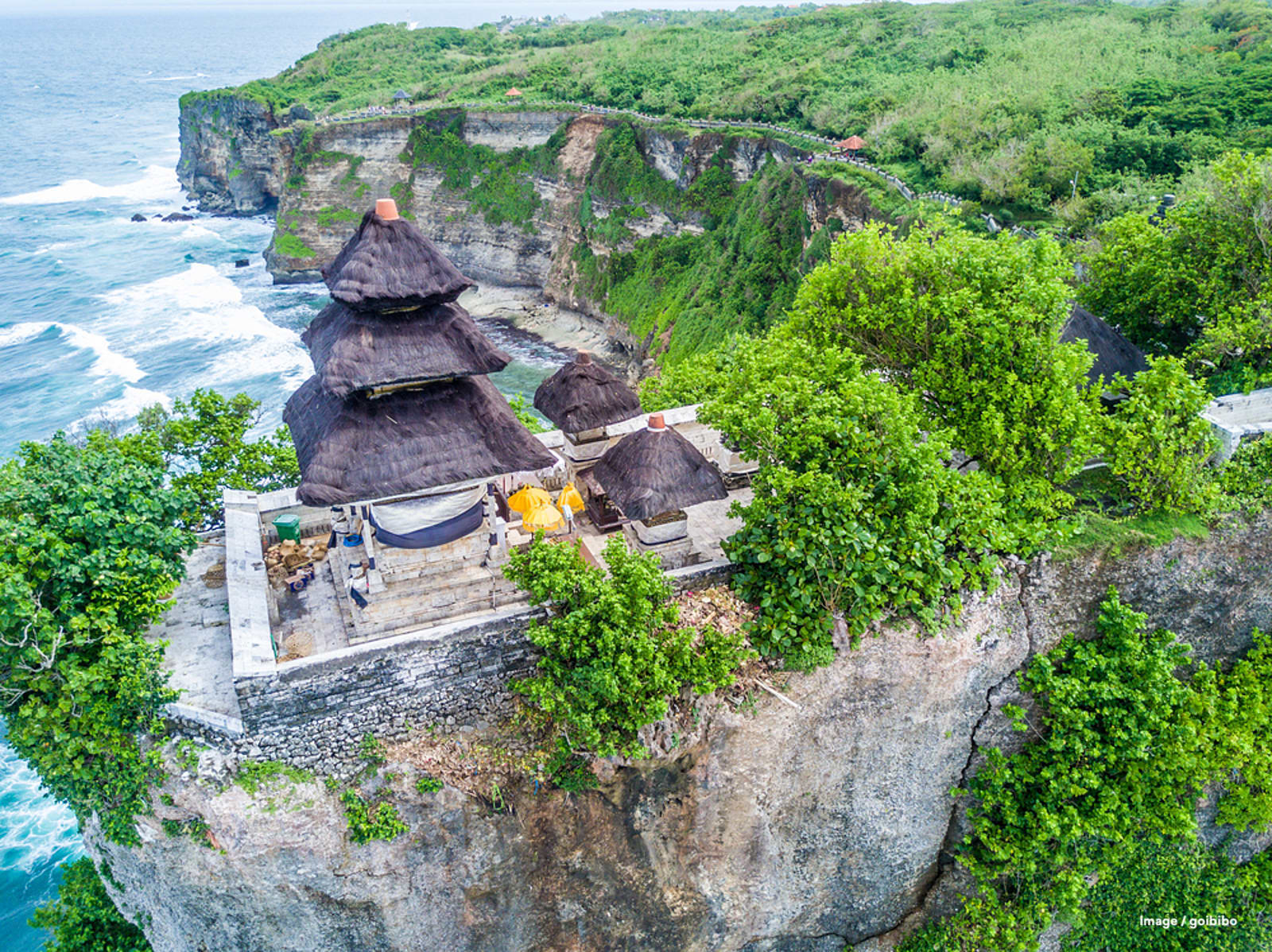
Perched majestically on a steep cliff overlooking the Indian Ocean, Uluwatu Temple (Pura Luhur Uluwatu) is one of Bali’s most iconic and spiritually significant sites. This ancient temple, dating back to the 11th century, offers visitors a breathtaking combination of cultural heritage, dramatic seascapes, and mesmerizing sunsets, making it a must-visit destination for anyone exploring the island.

Historical and Spiritual Significance

Uluwatu Temple is one of the six key temples believed to be Bali’s spiritual pillars. It is dedicated to Sang Hyang Widhi Wasa in his manifestation as Rudra, the Hindu god of storm and wind. The temple is said to protect Bali from evil sea spirits and is an essential part of Balinese spirituality and religious life.

The temple’s history is intertwined with that of the revered priest Dang Hyang Nirartha, who is credited with establishing several important temples in Bali. According to legend, Nirartha attained moksha (spiritual liberation) at Uluwatu, and his spirit is believed to dwell in the temple, adding to its sacredness.

Architectural Marvel

The architecture of Uluwatu Temple is a testament to classical Balinese design. The temple complex is built on the edge of a 70-meter-high cliff, offering stunning views of the ocean waves crashing against the rocks below. The main temple structure features traditional Balinese carvings and stonework, with intricate motifs that depict mythological scenes and deities.

The temple grounds include several smaller shrines, gateways, and courtyards, all connected by well-maintained pathways that meander through lush gardens. The entrance is guarded by stone statues of Ganesha, the elephant-headed god, symbolizing protection and wisdom.

Scenic Beauty and Wildlife

One of the main attractions of Uluwatu Temple is its spectacular location. The cliffside setting provides panoramic views of the Indian Ocean, especially during sunset, when the sky transforms into a canvas of vibrant colors. The sight of the sun dipping below the horizon, with the temple silhouetted against the glowing sky, is truly awe-inspiring.

The temple grounds are also home to a population of long-tailed macaques. These monkeys are notorious for their playful and sometimes mischievous behavior, often snatching visitors’ belongings. While they add a lively element to the visit, it’s advisable to keep a close eye on personal items.

Cultural Performances

Uluwatu Temple is renowned for its traditional Kecak dance performances, held daily at an open-air amphitheater near the temple. The Kecak dance, also known as the Ramayana Monkey Chant, involves a group of men chanting “cak” rhythmically while enacting scenes from the Ramayana epic. The performance, set against the backdrop of the setting sun and the ocean, creates a magical and unforgettable experience.

Practical Information

Visitors to Uluwatu Temple are required to wear a sarong and sash, which are provided at the entrance. Modest dress is appreciated out of respect for the sacred site. The temple can be easily reached from popular tourist areas such as Kuta and Seminyak, making it a convenient day trip.

Conclusion

Uluwatu Temple is a cultural and spiritual treasure that encapsulates the essence of Bali. Its dramatic cliffside location, rich history, and stunning architecture make it a captivating destination for travelers. Whether you are drawn by its religious significance, architectural beauty, or breathtaking views, a visit to Uluwatu Temple promises an enriching and memorable experience.

Ulun Danu Beratan Temple

Ulun Danu Beratan Temple

Ulun Danu Beratan Temple: A Jewel of Bali

Introduction

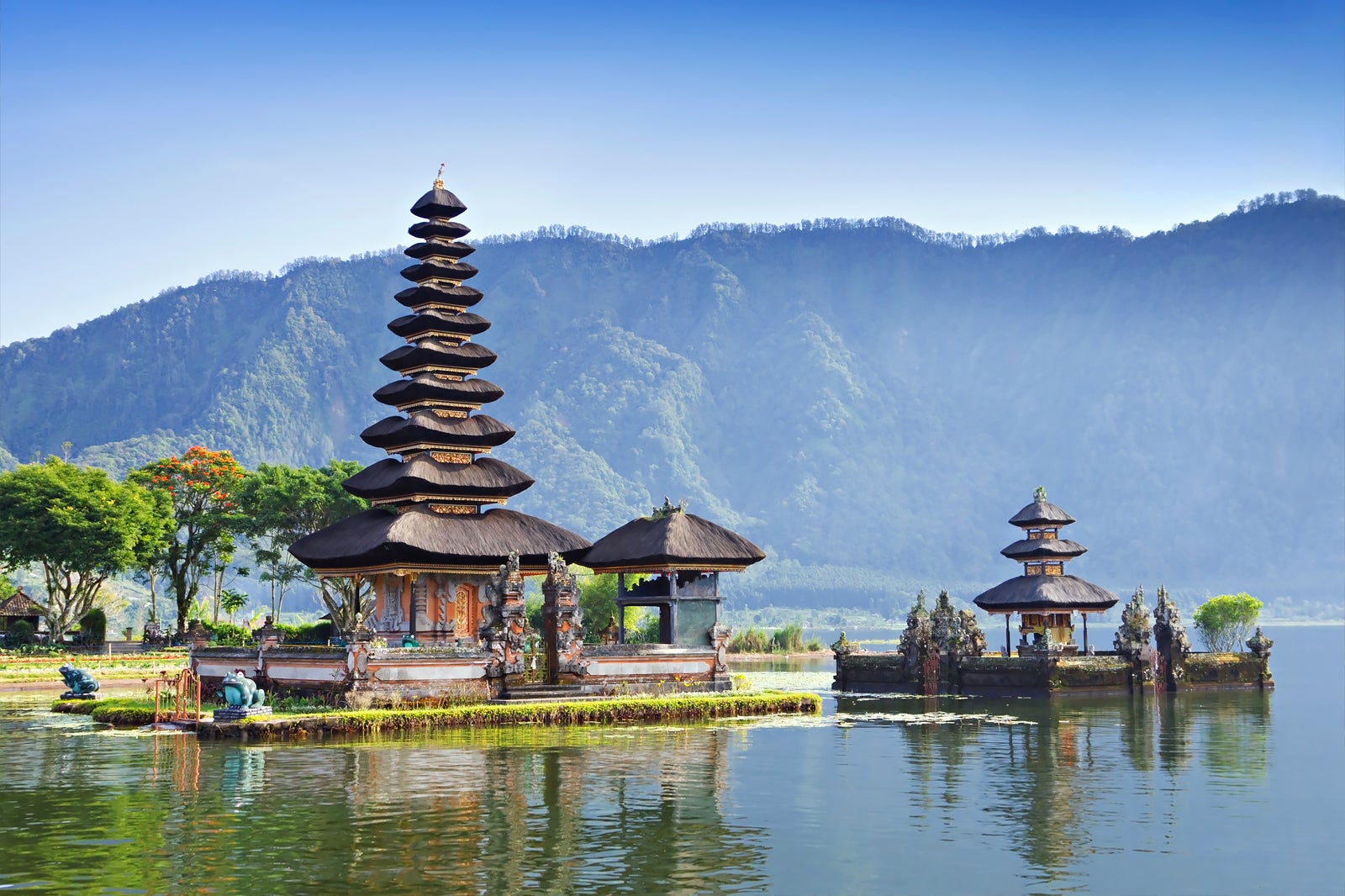
Ulun Danu Beratan Temple, often simply referred to as Ulun Danu, is one of Bali’s most iconic landmarks. Located on the shores of Lake Beratan in the central highlands of Bali, near Bedugul, this picturesque temple complex offers a serene escape into the island’s spiritual and natural beauty.

Historical and Cultural Significance

Ulun Danu Beratan Temple is dedicated to Dewi Danu, the goddess of lakes and rivers. Constructed in the 17th century, it plays a vital role in the Balinese Subak irrigation system. The temple’s spiritual significance is deeply intertwined with agricultural life, as Dewi Danu is believed to control the waters essential for rice farming. The temple complex is an embodiment of the Balinese concept of Tri Hita Karana, which promotes harmony among humans, nature, and the gods.

Architectural Marvel

The temple complex consists of several shrines and multi-tiered meru structures, which are traditional Balinese pagodas. The most photographed part of the temple is the 11-tiered meru dedicated to Vishnu and Dewi Danu. The floating illusion of the temple on Lake Beratan, especially during the rainy season when the water level rises, adds to its mystical charm.

Scenic Beauty

Ulun Danu Beratan Temple is set against the stunning backdrop of the mountains and surrounded by lush botanical gardens. The cool climate of the highlands, combined with the serene waters of Lake Beratan, creates a tranquil and picturesque environment. The temple often appears to be floating on the lake, especially in the early morning mist or during the rainy season, enhancing its ethereal beauty.

Activities and Experiences

Visitors can explore the beautifully landscaped gardens around the temple, which are adorned with vibrant flowers and traditional Balinese sculptures. Renting a paddleboat to navigate the calm waters of Lake Beratan offers a unique perspective of the temple. The temple complex also houses a cultural park where traditional Balinese ceremonies and dances are occasionally performed, providing visitors with a glimpse into local customs and traditions.

Practical Information

Ulun Danu Beratan Temple is accessible from major tourist areas such as Ubud and Kuta, making it a popular day trip destination. The best time to visit is early in the morning to avoid the crowds and enjoy the tranquil atmosphere. A small entrance fee is required, which contributes to the maintenance and preservation of this historic site.

Conclusion

Ulun Danu Beratan Temple is more than just a tourist attraction; it is a sacred site that encapsulates the essence of Balinese culture and spirituality. Its unique setting, cultural significance, and architectural beauty make it a must-visit destination for anyone exploring Bali. Whether you are a spiritual seeker, a nature lover, or a photography enthusiast, offers an unforgettable experience that captures the heart and soul of Bali.