Good Guide

Krisna Souvenir

Krisna Souvenir

Krisna Souvenir: One Stop Shopping Bali Souvenir

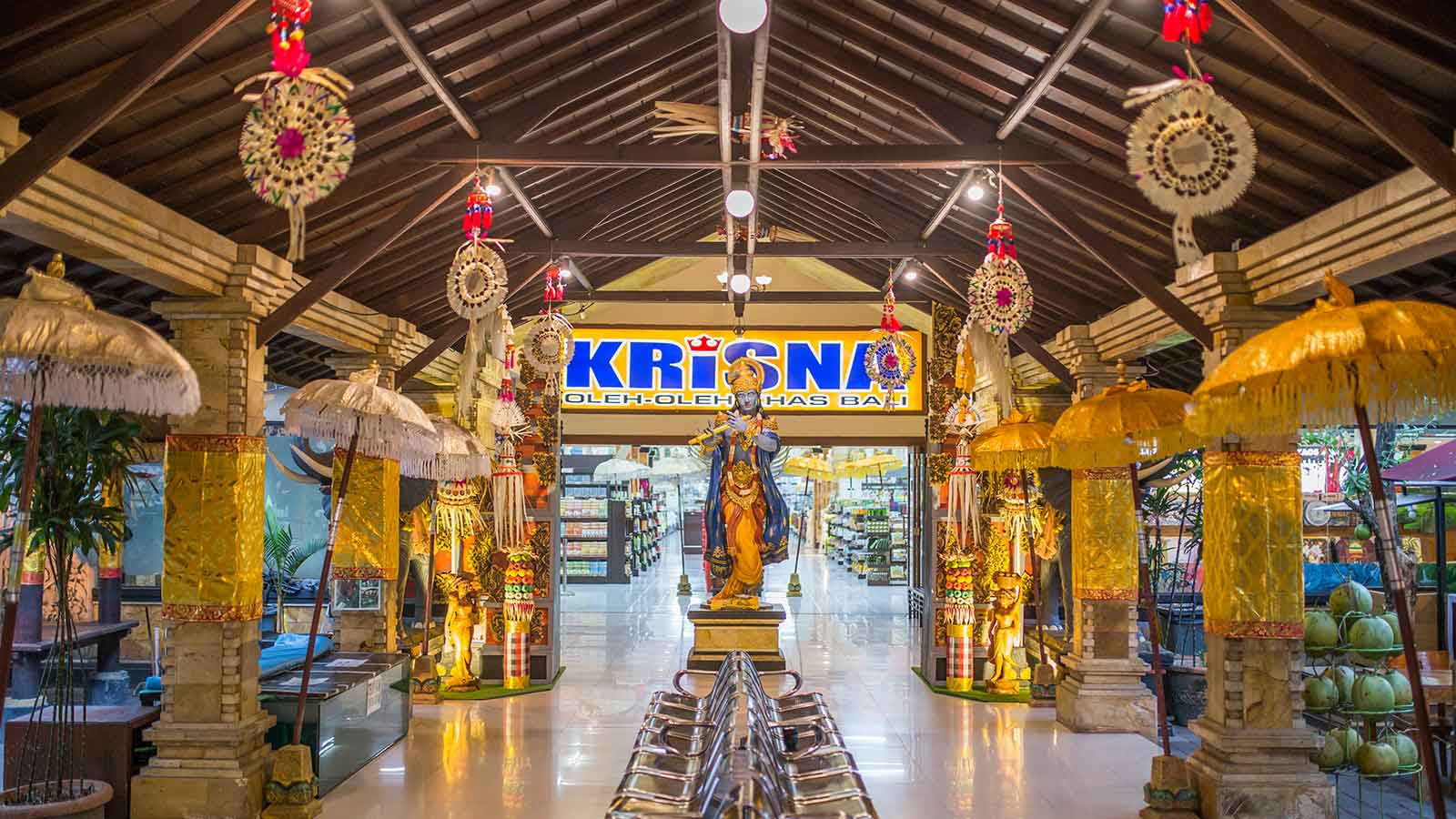
Krisna, often referred to as Krisna Bali or Krisna Oleh-Oleh, is a prominent chain of souvenir shops in Bali, Indonesia, renowned for offering a wide array of local products, handicrafts, and gifts. Established with the aim of providing tourists and visitors with a comprehensive selection of authentic Balinese souvenirs under one roof, Krisna has become synonymous with quality, variety, and convenience in souvenir shopping on the island.

History and Establishment

Founded in the early 2000s, Krisna was established to cater to the burgeoning tourism industry in Bali. The first Krisna store opened its doors in Kuta, strategically located near the island’s busiest tourist areas. Since then, the brand has expanded significantly, with multiple outlets across Bali, including in popular destinations like Ubud, Denpasar, and Seminyak. This strategic expansion has allowed Krisna to reach a broader audience and cater to the diverse tastes of both local and international shoppers.

Product Range

Krisna is celebrated for its extensive range of products, which encompass traditional Balinese handicrafts, art pieces, textiles, clothing, accessories, home décor items, and culinary delights. Visitors to Krisna stores can find everything from intricately carved wooden masks and statues to handwoven textiles, batik clothing, silver jewelry, and aromatic Balinese coffee and spices. The stores are designed to provide a shopping experience that reflects Bali’s rich cultural heritage and craftsmanship, making it a favorite destination for souvenir shopping.

Shopping Experience

The ambiance of Krisna stores is designed to be inviting and conducive to leisurely browsing. The spacious interiors are neatly organized into sections, each dedicated to different categories of products. Visitors can explore aisles lined with colorful sarongs, shelves displaying unique handicrafts, and racks showcasing traditional Balinese outfits. The layout ensures that shoppers can easily navigate through the store and find items that appeal to their preferences and interests.

Quality Assurance

One of Krisna’s distinguishing features is its commitment to quality and authenticity. The stores collaborate directly with local artisans and craftsmen, ensuring that the products sold are genuine and crafted with meticulous attention to detail. This direct sourcing also supports local communities and promotes sustainable tourism practices by empowering Balinese artisans and preserving traditional craftsmanship.

Cultural Engagement and Community Support

Beyond its role as a retail outlet, Krisna actively engages in promoting Balinese culture and supporting local communities. The stores occasionally host cultural performances, demonstrations by artisans, and workshops where visitors can learn about traditional Balinese crafts such as woodcarving, batik making, and silver crafting. These initiatives not only enrich the shopping experience but also contribute to cultural preservation and awareness among visitors.

Conclusion

Krisna has emerged as a cornerstone of Bali’s souvenir shopping landscape, offering a blend of convenience, authenticity, and cultural immersion. Whether you’re looking to bring home a piece of Balinese artistry, a unique handicraft, or a taste of local flavors, Krisna provides a comprehensive shopping experience that celebrates the island’s vibrant cultural heritage. With its dedication to quality, variety, and community support, Krisna continues to be a favored destination for both tourists seeking mementos of their Bali experience and locals seeking authentic Balinese goods.
Art Center Bali

Art Center Bali

Art Center Bali: All About Traditional Once a Year

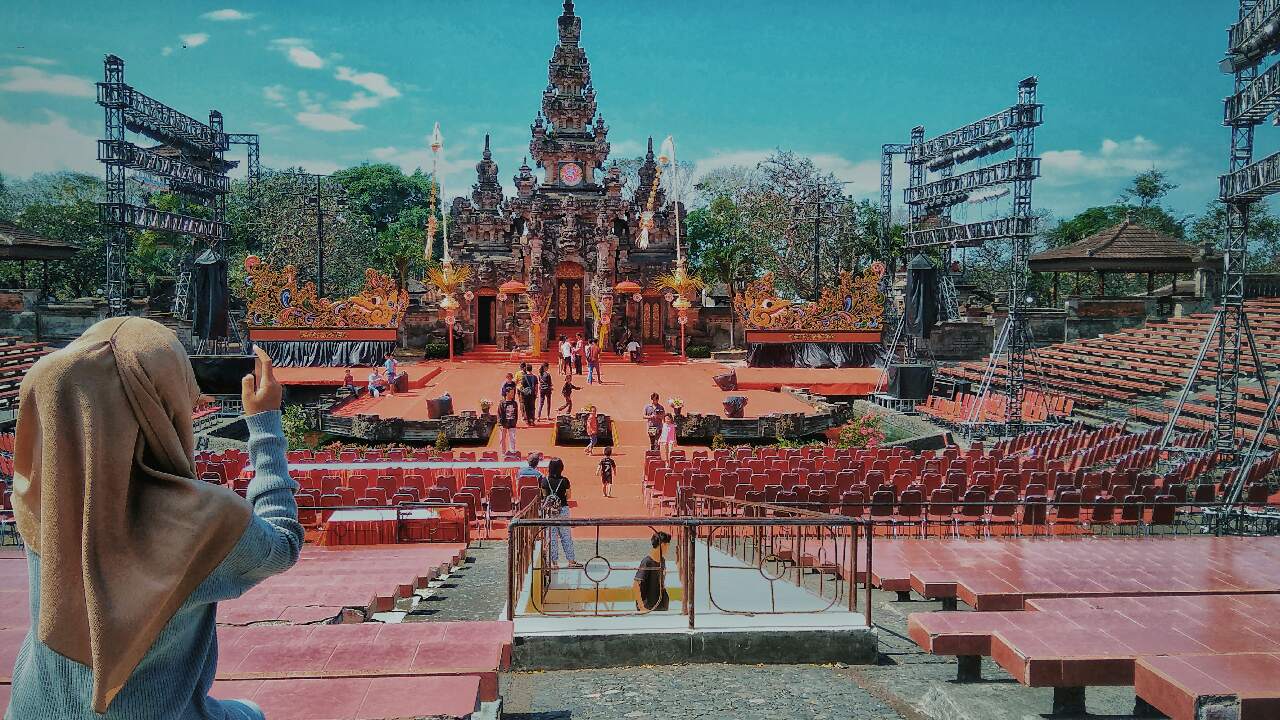
The Art Center Bali, known locally as Taman Budaya Bali or Pusat Kebudayaan Bali, is a prominent cultural institution located in Denpasar, the capital city of Bali. Established to preserve, promote, and celebrate Balinese arts and culture, the Art Center is a hub for various artistic performances, exhibitions, and cultural events that showcase the island’s rich heritage.

Cultural Significance

The Art Center Bali was inaugurated in 1973 by Indonesia’s first president, Sukarno, during the peak of his campaign to promote the arts and culture across the archipelago. Its establishment marked a significant milestone in Bali’s cultural landscape, providing a dedicated venue for artists, performers, and cultural enthusiasts to converge and exchange ideas.

Architectural Marvel

Architect Ida Bagus Tugur and artist Ida Bagus Made designed the Art Center’s expansive grounds and striking architecture. The complex is built in a traditional Balinese architectural style, featuring ornate gates (candi bentar), towering thatched-roof pavilions (bale), and intricate stone carvings. These elements not only reflect Bali’s artistic heritage but also create a serene and aesthetically pleasing environment for cultural activities.

Venues and Facilities

The Art Center encompasses several venues tailored to different artistic pursuits. The main amphitheater, Ardha Candra, hosts a variety of performances, including traditional Balinese dance, music concerts, theater productions, and contemporary dance performances. The open-air setting of Ardha Candra allows for a close connection between performers and the audience, enhancing the immersive experience of Balinese performing arts.

Other facilities within the Art Center include exhibition halls, studios for artists-in-residence, workshops for traditional crafts, and seminar rooms for cultural lectures and discussions. These spaces cater to both local artists and international visitors interested in exploring and learning about Balinese art forms and techniques.

Events and Festivals

Throughout the year, the Art Center Bali is abuzz with cultural events and festivals that highlight Bali’s diverse artistic expressions. One of the most prestigious events held here is the Bali Arts Festival (Pesta Kesenian Bali), an annual month-long celebration that showcases traditional and contemporary Balinese arts, including dance, music, theater, and visual arts. The festival attracts performers and audiences from all over Indonesia and around the world, making it a vibrant and dynamic cultural exchange.

Education and Outreach

The Art Center Bali plays a pivotal role in cultural education and outreach programs. It offers workshops, masterclasses, and training sessions conducted by seasoned artists and cultural experts. These programs aim to preserve traditional art forms, foster creativity among younger generations, and promote cultural understanding both locally and internationally.

Conclusion

The Art Center Bali stands as a beacon of Bali’s artistic and cultural vitality. By providing a platform for artistic expression, preserving traditional arts, and nurturing emerging talents, the Art Center contributes significantly to the cultural identity and heritage of Bali. Visitors to the Art Center Bali are immersed in a rich tapestry of performances, exhibitions, and educational activities that celebrate the island’s artistic legacy and inspire appreciation for its vibrant cultural traditions.

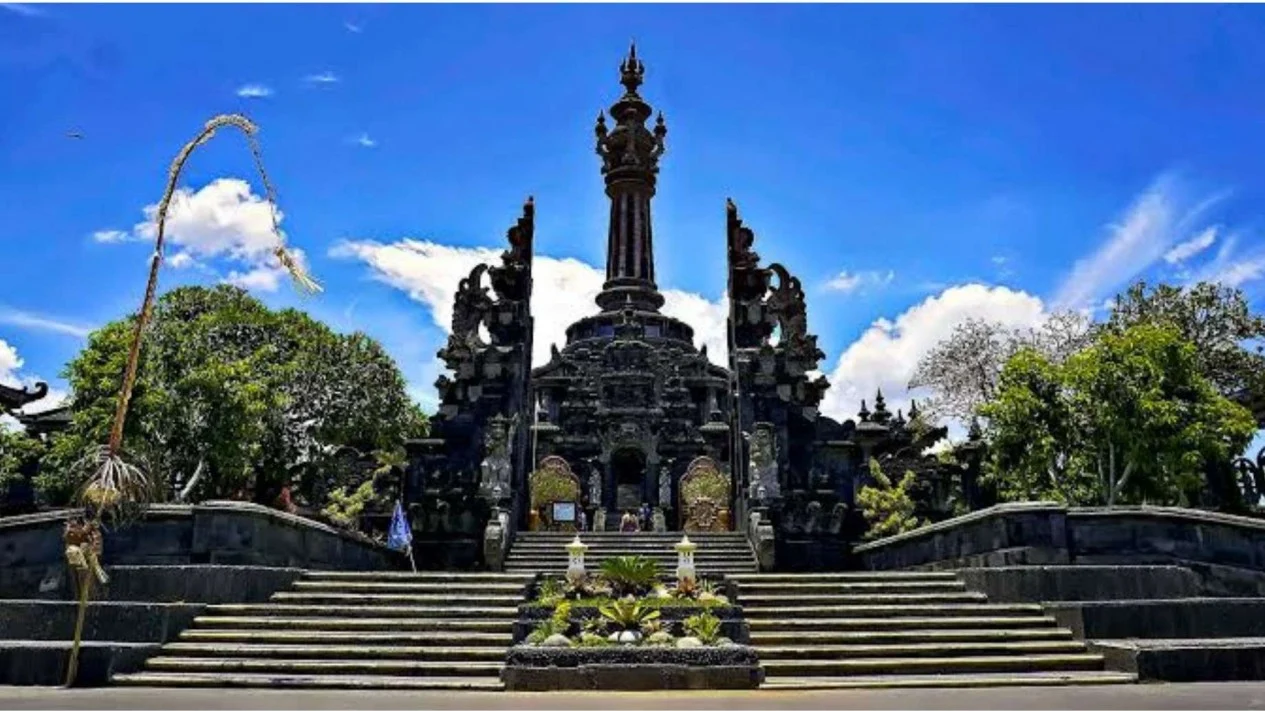
Bajra Sandhi Monument

Bajra Sandhi Monument

Bajra Sandhi Monument: Commemorating Bali’s Struggle for Independence

Introduction

The Bajra Sandhi Monument stands as a symbol of Bali’s resilience and struggle for independence. Located in Renon, Denpasar, Bali, this majestic monument is a testament to the island’s rich history and cultural heritage. It serves as a memorial to honor the sacrifices made by the Balinese people during their fight against colonial rule and as a beacon of national unity and pride.

Historical Context

The Bajra Sandhi Monument was built to commemorate the struggles of the Balinese people throughout history, particularly their resistance against Dutch colonialism and their fight for independence. The monument’s name, “Bajra Sandhi,” translates to “Bell of Victory,” symbolizing the Balinese victory in their quest for independence.

Architectural Significance

Designed by renowned Balinese architect Ida Bagus Gede Yadnya, the monument’s architecture is deeply rooted in Balinese Hindu symbolism. The monument is divided into three parts symbolizing the three stages of life according to Hindu philosophy: the base represents the earthly realm, the middle section represents human life, and the upper part, crowned by a towering lotus blossom structure, represents spiritual enlightenment.

The monument’s exterior features intricate carvings and reliefs that depict scenes from Bali’s history, including significant battles, cultural ceremonies, and the struggle for independence. The design incorporates traditional Balinese architectural elements, such as majestic gates (candi bentar) and ornate stone carvings, reflecting the island’s rich cultural heritage.

Cultural Significance

Bajra Sandhi Monument is not only a historical landmark but also a cultural center that celebrates Bali’s identity and heritage. It houses a museum that showcases artifacts, photographs, and documents related to Bali’s history, from ancient times to the present day. Visitors can learn about Bali’s cultural evolution, traditional customs, and the heroic deeds of its people through interactive exhibits and displays.

Commemorative Events and Activities

The monument serves as a venue for various cultural and commemorative events throughout the year. On significant dates such as Indonesia’s Independence Day (August 17th) and Bali’s Independence Day (December 1st), ceremonies and cultural performances are held to honor the sacrifices of Bali’s heroes and to celebrate the island’s cultural diversity.

Educational Destination

Bajra Sandhi Monument is a popular educational destination for students and tourists alike. Guided tours and educational programs are available to provide deeper insights into Bali’s history and cultural heritage. The monument’s serene surroundings and panoramic views of Denpasar City also make it a favorite spot for photography and leisurely walks.

Conclusion

The Bajra Sandhi Monument stands as a powerful symbol of Bali’s struggle for independence and its cultural resilience. Through its striking architecture, educational exhibits, and commemorative events, the monument preserves and promotes Bali’s rich history and cultural identity. It serves as a reminder of the sacrifices made by the Balinese people and inspires future generations to cherish and uphold their heritage. Visiting the Bajra Sandhi Monument offers a profound experience that combines history, culture, and national pride, making it a must-see attraction for anyone exploring the vibrant island of Bali.

City Park Puputan Badung

City Park Puputan Badung

City Park Puputan Badung: Denpasar’s Historical and Cultural Oasis

Introduction

City Park Puputan Badung, often referred to simply as Puputan Badung, is a significant historical and cultural landmark in Denpasar, the bustling capital city of Bali. This spacious park, located in the heart of the city, serves as a green oasis for both locals and visitors. It is a place of relaxation, recreation, and remembrance, offering a glimpse into Bali’s history and a venue for various cultural and community activities.

Historical Significance

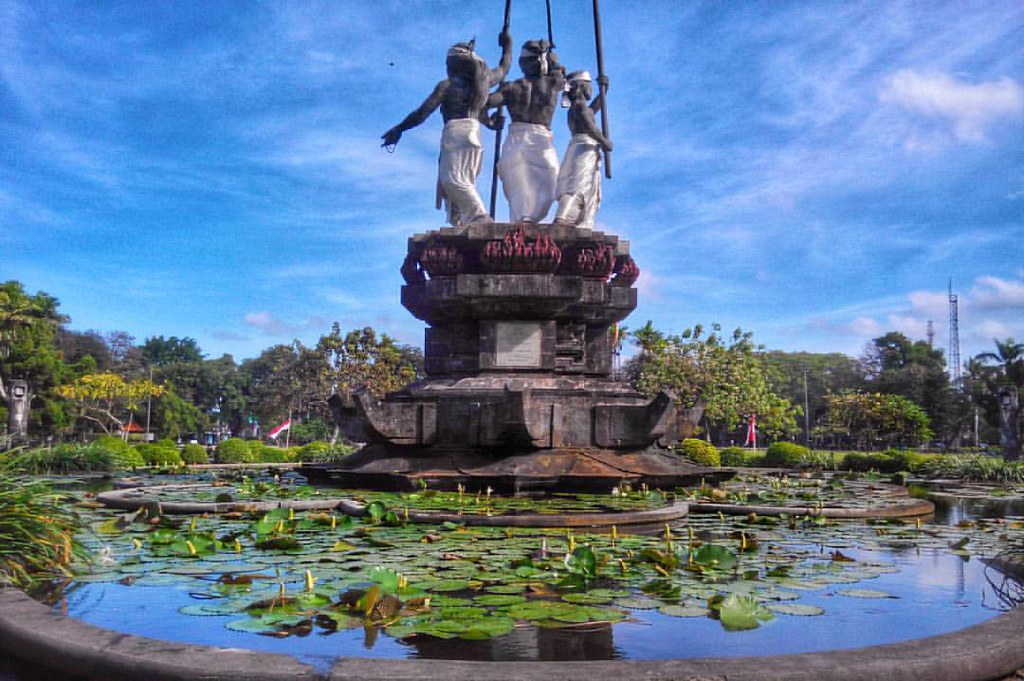
The name “Puputan” refers to a mass ritualistic suicide by Balinese warriors and royalty, preferring death over surrender to the Dutch colonial forces. The most notable Puputan took place in 1906 in Badung, where thousands of Balinese, including the Raja of Badung and his followers, fought to their death against the invading Dutch troops. The park is named in their honor, commemorating their bravery and sacrifice.

Monuments and Memorials

Central to the park is the Puputan Badung Monument, a striking statue that symbolizes the heroism and resistance of the Balinese people during the colonial period. The monument features a depiction of a Balinese king and his followers armed with traditional weapons, ready to fight to the death. This statue is a poignant reminder of the island’s turbulent history and the enduring spirit of its people.

Another notable feature is the statue of Catur Muka, located at the east end of the park. This four-faced statue represents the Hindu god Brahma, symbolizing protection and vigilance. It is a significant landmark in Denpasar and adds a spiritual dimension to the park’s atmosphere.

Recreational and Cultural Hub

Puputan Badung Park is a popular spot for recreational activities. Its expansive lawns, shaded by large trees, provide a perfect setting for picnics, jogging, and leisurely strolls. The park is equipped with well-maintained pathways, benches, and playgrounds, making it a family-friendly destination.

The park also serves as a venue for cultural and community events. Traditional dance performances, music concerts, and local festivals are regularly held here, showcasing Bali’s rich cultural heritage. The park’s open spaces and amphitheater provide an ideal setting for these events, attracting both locals and tourists.

A Green Escape in the City

In the midst of Denpasar’s urban hustle, Puputan Badung Park offers a peaceful retreat where visitors can unwind and connect with nature. The well-manicured gardens, vibrant flowerbeds, and serene water features create a tranquil environment, making it a favorite spot for relaxation and meditation. The park’s strategic location near important landmarks like the Bali Museum and the Jagatnatha Temple adds to its appeal as a central point for exploring Denpasar.

Community and Social Space

The park is a vibrant social space where people from all walks of life come together. It is common to see groups of locals practicing yoga, students engaging in study groups, and friends enjoying casual gatherings. Street vendors selling traditional snacks and refreshments add to the lively atmosphere, providing a taste of local flavors.

Conclusion

City Park Puputan Badung is more than just a green space in Denpasar; it is a historical and cultural symbol of Bali’s resilience and spirit. The park’s combination of historical monuments, recreational facilities, and cultural activities makes it a must-visit destination for anyone exploring Denpasar. Whether you are seeking to learn about Bali’s history, enjoy a cultural performance, or simply relax in a beautiful setting, Puputan Badung Park offers a diverse and enriching experience.

Bali Museum

Bali Museum

Bali Museum: A Gateway to the Island’s Rich Cultural Heritage

Introduction

Bali Museum, also known as Museum Negeri Propinsi Bali, is a cultural and historical landmark located in the heart of Denpasar, Bali’s capital city. Established in 1932, the museum offers a comprehensive overview of Bali’s vibrant history, art, and culture. It is a must-visit destination for those interested in exploring the island’s rich heritage and understanding the traditions that shape Balinese society.

Historical Background

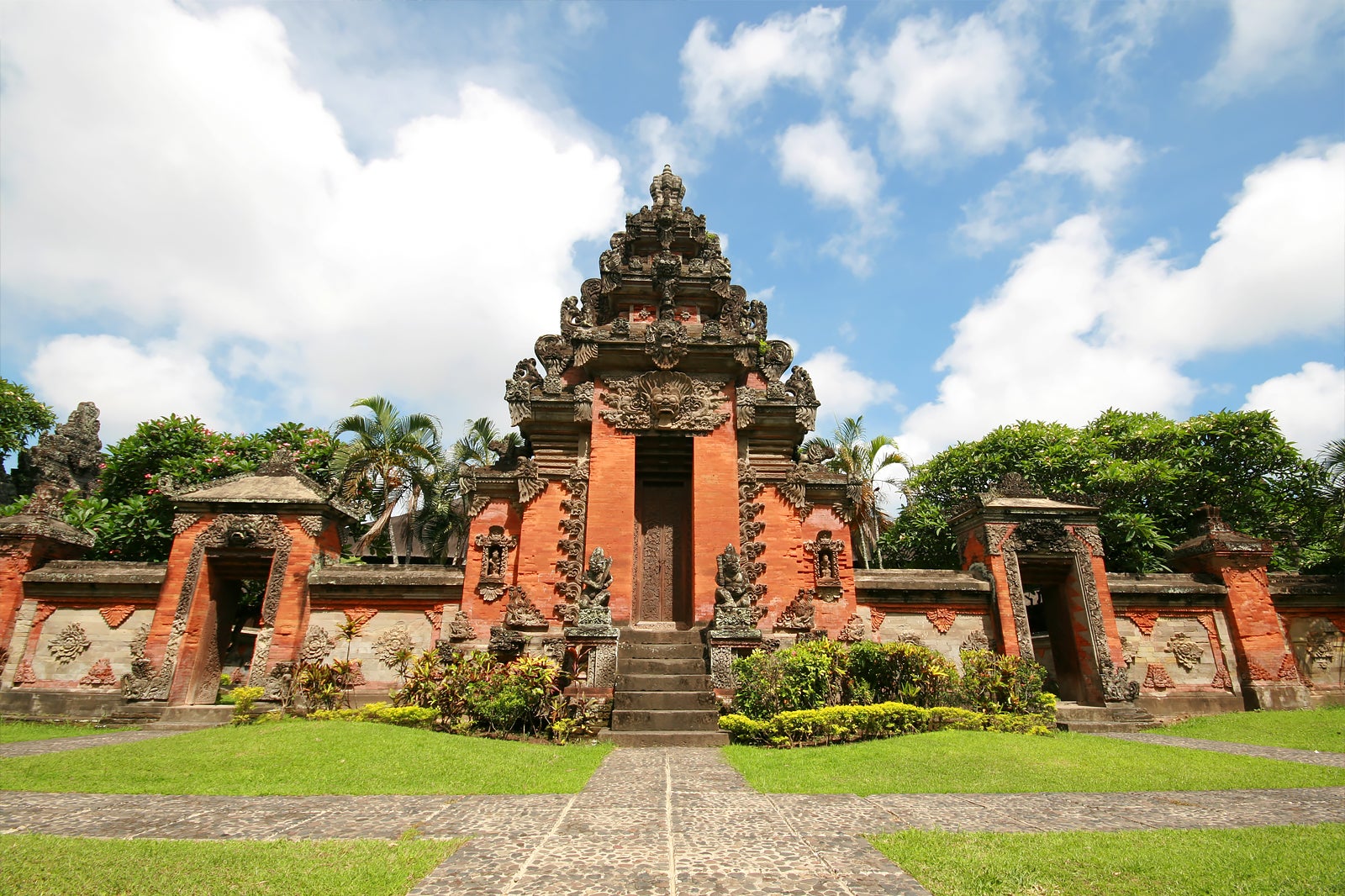
The Bali Museum was established during the Dutch colonial period, with the initial concept inspired by local Balinese rulers and scholars who recognized the need to preserve and showcase their unique cultural heritage. The museum’s construction was completed in 1932, and it officially opened to the public in 1933. The architecture of the museum reflects traditional Balinese design, featuring ornate carvings, stone structures, and expansive courtyards, creating an authentic and inviting atmosphere.

Architectural and Cultural Significance

The museum complex consists of several distinct buildings, each dedicated to different aspects of Balinese culture and history. The main buildings include Tabanan, Karangasem, Buleleng, and Timur. Each building is named after a region in Bali and showcases artifacts and exhibits specific to those areas.

The architecture of the Bali Museum is a blend of traditional Balinese and colonial styles, designed by renowned architect P.J. Moojen and local artisans. The intricate stone carvings, traditional Balinese gates, and beautifully landscaped gardens enhance the cultural ambiance of the museum, making it a visual delight for visitors.

Exhibits and Collections

The Bali Museum houses an extensive collection of artifacts that span centuries of Balinese history. The exhibits are thoughtfully organized to provide visitors with a chronological journey through the island’s past.

  1. Prehistoric Gallery: This section showcases artifacts from Bali’s prehistoric era, including stone tools, pottery, and ancient relics. These exhibits offer insights into the early human settlements on the island.
  2. Archaeological Finds: Displays in this section include items from Bali’s early Hindu and Buddhist periods, such as bronze statues, ancient manuscripts, and ceremonial objects. These artifacts highlight the island’s early cultural and religious influences.
  3. Ethnographic Collection: This gallery features traditional Balinese textiles, costumes, masks, and musical instruments. It provides a comprehensive view of Balinese daily life, rituals, and artistic expressions.
  4. Art and Craft: The museum also showcases a wide range of Balinese art, including paintings, wood carvings, and traditional sculptures. These exhibits demonstrate the island’s rich artistic traditions and the skill of Balinese craftsmen.

Educational and Cultural Programs

In addition to its permanent exhibits, Bali Museum hosts a variety of educational programs, workshops, and cultural events. These activities aim to promote a deeper understanding of Balinese culture and heritage among both locals and tourists. Traditional dance performances, craft workshops, and lectures by cultural experts are regularly organized, providing an interactive and engaging experience for visitors.

Visitor Experience

The Bali Museum offers a serene and informative environment where visitors can immerse themselves in the island’s cultural heritage. The museum’s beautifully maintained gardens and courtyards provide a peaceful setting for reflection and relaxation. Informative signage and guided tours enhance the visitor experience, offering detailed explanations of the exhibits and their historical context.

Conclusion

Bali Museum is a treasure trove of cultural and historical artifacts that provides a comprehensive insight into the island’s rich heritage. Whether you are a history enthusiast, an art lover, or simply curious about Balinese culture, a visit to the Bali Museum promises an enriching and educational experience. By preserving and showcasing Bali’s unique traditions and history, the museum plays a crucial role in maintaining the cultural identity of the island and sharing it with the world.

Jatiluwih Rice Terrace

Jatiluwih Rice Terrace

Jatiluwih Rice Terrace: Bali’s Verdant Tapestry of Tradition

Introduction

The Jatiluwih Rice Terrace, located in the Tabanan Regency of Bali, is a sprawling and breathtaking agricultural landscape renowned for its stunning beauty and intricate terracing. Situated at the foot of Mount Batukaru, these terraces cover over 600 hectares of land, creating a verdant tapestry that epitomizes Bali’s rich agricultural heritage. Recognized as a UNESCO World Heritage site, Jatiluwih offers visitors a glimpse into the island’s traditional rice farming methods and its harmonious relationship with nature.

Historical and Cultural Significance

Jatiluwih, which means “truly marvelous” in Balinese, lives up to its name with its spectacular views and cultural importance. The terraces have been cultivated using the subak system, a traditional Balinese cooperative irrigation method that dates back to the 9th century. This system is more than just a way to water crops; it embodies the Tri Hita Karana philosophy, which promotes harmony between humans, nature, and the divine.

The subak system is a communal approach to farming that relies on the coordination and cooperation of local farmers. It ensures the equitable distribution of water from mountain springs and rivers to the rice fields. This method not only sustains the rice paddies but also fosters a strong sense of community among the farmers.

Scenic Beauty and Photography

Jatiluwih is renowned for its breathtaking beauty. The terraces cascade down the slopes in a series of undulating green waves, creating a mesmerizing and serene landscape. The panoramic views of the lush, emerald-green fields, interspersed with traditional thatched huts and vibrant wildflowers, make Jatiluwih a paradise for photographers and nature lovers.

The best time to visit Jatiluwih is during the planting season, when the fields are a vibrant green, or during the harvest season, when the golden rice stalks sway in the breeze. Early morning or late afternoon visits offer the best lighting for photography, with the sun casting a warm glow over the terraces.

Cultural Experience and Activities

Visitors to Jatiluwih can immerse themselves in the local culture by exploring the terraces on foot or by bicycle. Several well-marked trails and paths wind through the fields, allowing for leisurely walks or bike rides amidst the stunning scenery. Guided tours are available, providing insights into the traditional farming practices, the history of the subak system, and the daily lives of the local farmers.

In addition to exploring the fields, visitors can engage in hands-on activities such as rice planting or harvesting, depending on the season. These experiences offer a deeper appreciation of the labor and dedication required to cultivate rice in this traditional manner.

Preservation and Sustainability

The recognition of Jatiluwih as a UNESCO World Heritage site underscores its cultural and environmental significance. Efforts are ongoing to preserve the terraces and promote sustainable tourism. The local community is actively involved in maintaining the subak system and the natural beauty of the area. Visitors are encouraged to respect the environment by following guidelines, supporting local businesses, and participating in eco-friendly activities.

Amenities and Accessibility

Jatiluwih is accessible from the main tourist areas of Bali, such as Ubud and Seminyak, making it a convenient day trip destination. The area offers amenities such as parking, restrooms, and several cafes and restaurants where visitors can enjoy traditional Balinese cuisine while taking in the stunning views.

Conclusion

Jatiluwih Rice Terrace is a testament to Bali’s enduring agricultural traditions and its harmonious relationship with nature. The combination of its scenic beauty, cultural significance, and sustainable practices makes it a must-visit destination for anyone exploring Bali. Whether you are admiring the intricate terraces, engaging in traditional farming activities, or simply soaking in the tranquil ambiance, Jatiluwih offers a unique and unforgettable experience that captures the essence of Bali’s rural charm.

Tanah Lot Temple

Tanah Lot Temple

Tanah Lot Temple: Bali’s Iconic Seaside Sanctuary

Introduction

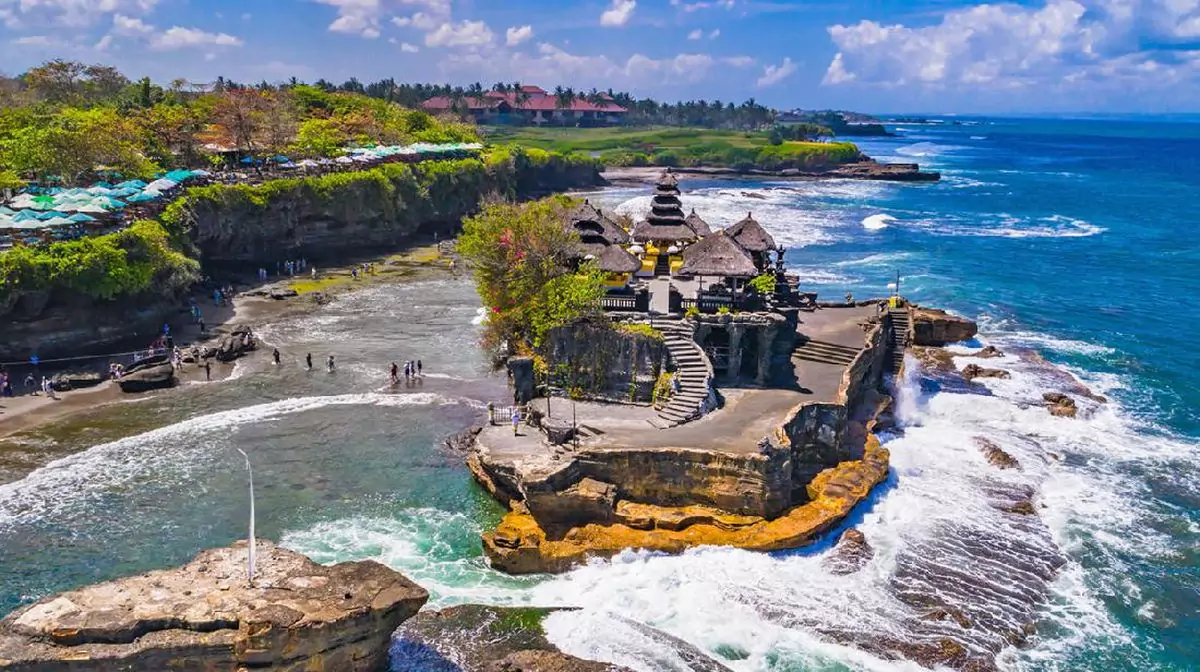
Tanah Lot Temple, known locally as Pura Tanah Lot, is one of Bali’s most iconic and revered sea temples. Perched on a rocky outcrop surrounded by the ocean, it is located on the southwestern coast of Bali, near the village of Beraban in the Tabanan Regency. This sacred site attracts visitors from around the world for its stunning sunsets, dramatic seascapes, and deep spiritual significance.

Historical and Cultural Significance

Tanah Lot, which means “Land in the Sea” in Balinese, is believed to have been established by the 16th-century Javanese priest Dang Hyang Nirartha. According to legend, Nirartha arrived at this spot during his journey along Bali’s southern coast and felt its spiritual power. He instructed the local fishermen to build a shrine on the rock to honor the sea gods.

The temple is dedicated to the sea deity, Dewa Baruna or Bhatara Segara, and plays a crucial role in Balinese mythology and religious practices. It is one of the seven sea temples that form a chain along Bali’s coast, each of which is within sight of the next, creating a spiritual protective barrier for the island.

Architectural and Natural Beauty

The unique location of Tanah Lot Temple, on a rock formation shaped over centuries by the ocean tides, gives it a distinct and enchanting appearance. During high tide, the temple appears as though it is floating on the water, accessible only by boat or by wading through shallow water. At low tide, visitors can walk across the rocky path to reach the base of the temple.

The temple complex includes several shrines and smaller temples, adorned with traditional Balinese architectural elements such as meru (tiered shrines), intricate stone carvings, and guardian statues. The main temple, standing majestically against the backdrop of the Indian Ocean, is a testament to Bali’s architectural and artistic heritage.

Spiritual Experience and Rituals

Tanah Lot is an active place of worship, where locals perform daily rituals and ceremonies. One of the most important ceremonies is the Melasti, held before the Balinese New Year (Nyepi), when the villagers bring temple paraphernalia to be cleansed by the sea.

Visitors to the temple can receive blessings from the temple priests, who offer holy water and flowers as symbols of purification and protection. The spiritual ambiance of Tanah Lot, coupled with the sound of crashing waves and the scent of incense, creates a deeply moving experience.

Sunset Views and Photography

Tanah Lot is renowned for its breathtaking sunsets. As the sun sets over the Indian Ocean, the temple is bathed in golden hues, creating a magical and picturesque scene. This makes it a popular spot for photographers and tourists alike, who come to capture the stunning views and dramatic silhouettes of the temple against the setting sun.

Amenities and Accessibility

The area surrounding Tanah Lot Temple is well-developed for tourists, with facilities including parking areas, souvenir shops, restaurants, and restrooms. The local market offers a variety of Balinese crafts and souvenirs, making it a great place to shop for unique gifts.

The temple is easily accessible from Bali’s main tourist areas, such as Kuta, Seminyak, and Ubud, making it a convenient day trip destination.

Conclusion

Tanah Lot Temple is more than just a scenic landmark; it is a place of profound spiritual significance and cultural heritage. Its dramatic seaside location, rich history, and beautiful architecture make it a must-visit destination for anyone traveling to Bali. Whether you are drawn by its religious importance, stunning views, or cultural experiences, a visit to Tanah Lot Temple promises to be a memorable and inspiring journey.

Bali Coffee Garden

Bali Coffee Garden

Bali Coffee Garden: A Journey Through Bali’s Coffee Culture

Introduction

Bali Coffee Garden is a captivating destination for coffee enthusiasts and nature lovers alike, located amidst the lush landscapes of Bali. This coffee plantation and garden offers visitors an immersive experience into the world of Balinese coffee, from bean to cup. Nestled in the fertile highlands, Bali Coffee Garden showcases the island’s rich coffee-growing heritage and provides a tranquil retreat for those looking to explore the natural and cultural beauty of Bali.

Historical and Cultural Significance

Bali has a long history of coffee cultivation, dating back to the early 18th century when coffee was first introduced to the island by Dutch colonists. The volcanic soil and ideal climate of Bali’s highlands create perfect conditions for growing high-quality Arabica and Robusta coffee beans. Bali Coffee Garden celebrates this legacy by preserving traditional farming methods and promoting sustainable coffee production.

Plantation Tour and Coffee Process

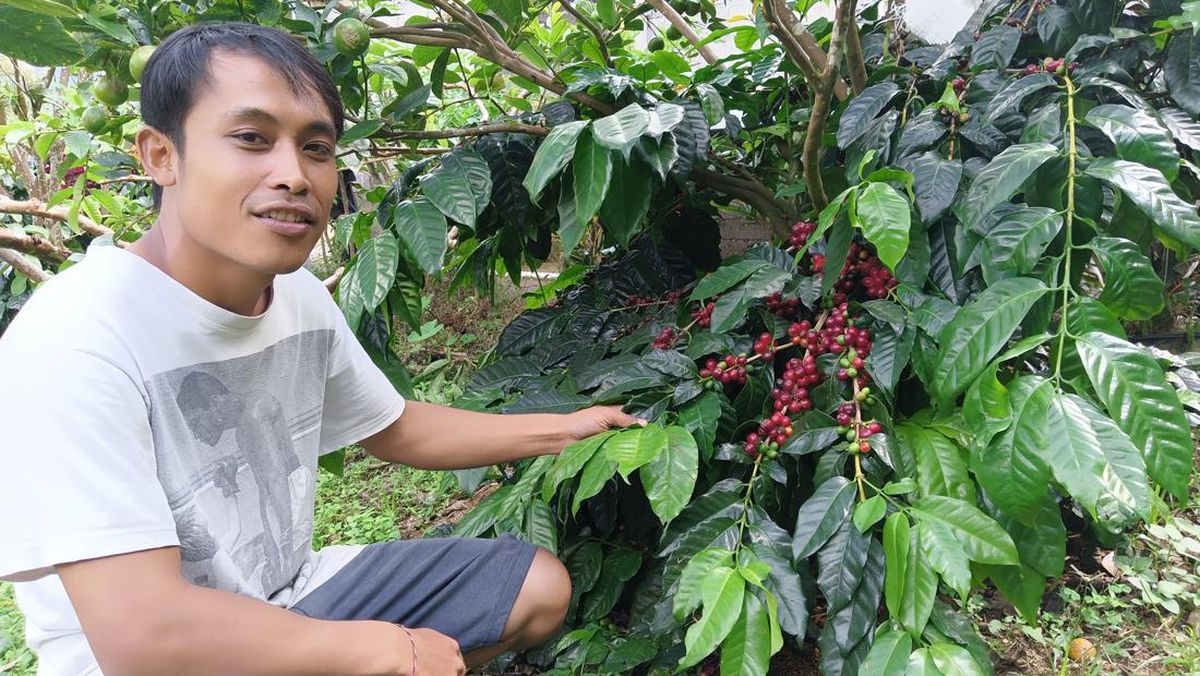
Visitors to Bali Coffee Garden can embark on guided tours that take them through the lush coffee plantations. The tour begins with an introduction to the coffee plants, where guides explain the differences between Arabica and Robusta beans, their growing conditions, and harvesting techniques. Visitors learn about the entire coffee production process, from planting and nurturing the coffee trees to picking the ripe cherries.

The tour also includes a visit to the processing facilities, where visitors can observe the traditional methods of pulping, fermenting, drying, and roasting coffee beans. Knowledgeable guides provide insights into the significance of each step and how it affects the flavor and quality of the final product. This hands-on experience allows visitors to appreciate the labor and skill involved in producing Bali’s renowned coffee.

Coffee Tasting Experience

One of the highlights of the Bali Coffee Garden visit is the coffee tasting session. Guests have the opportunity to sample a variety of freshly brewed Balinese coffees, including single-origin Arabica and Robusta, as well as unique blends. The tasting sessions are conducted by experienced baristas who guide visitors through the sensory experience of coffee tasting, teaching them how to identify different flavors, aromas, and textures.

In addition to traditional coffee, visitors can also try Bali’s famous Luwak coffee, made from beans that have been eaten and excreted by civet cats. While this specialty coffee is known for its smooth and distinctive flavor, The Garden ensures that it is produced ethically and sustainably.

Scenic Beauty and Relaxation

Bali Coffee Garden is set amidst breathtaking natural scenery, with panoramic views of terraced hillsides, dense forests, and distant volcanoes. The tranquil environment provides a perfect backdrop for relaxation and reflection. Visitors can stroll through the gardens, enjoy the fresh mountain air, and take in the stunning landscapes.

The garden also features a cozy café where visitors can savor freshly brewed coffee and local delicacies while enjoying the serene surroundings. The combination of delicious coffee, beautiful scenery, and a peaceful ambiance makes Bali Coffee Garden an ideal spot for unwinding and connecting with nature.

Conclusion

Bali Coffee Garden offers a unique and enriching experience for anyone interested in coffee, culture, and nature. By providing a comprehensive insight into the coffee production process, offering delightful tasting sessions, and showcasing Bali’s natural beauty, the garden creates a memorable visit for all. Whether you are a coffee aficionado or simply looking for a relaxing retreat, Bali Coffee Garden promises an unforgettable journey through the heart of Bali’s coffee culture.

Taman Ayun Temple

Taman Ayun Temple

Taman Ayun Temple: The Majestic Royal Water Temple of Mengwi

Introduction

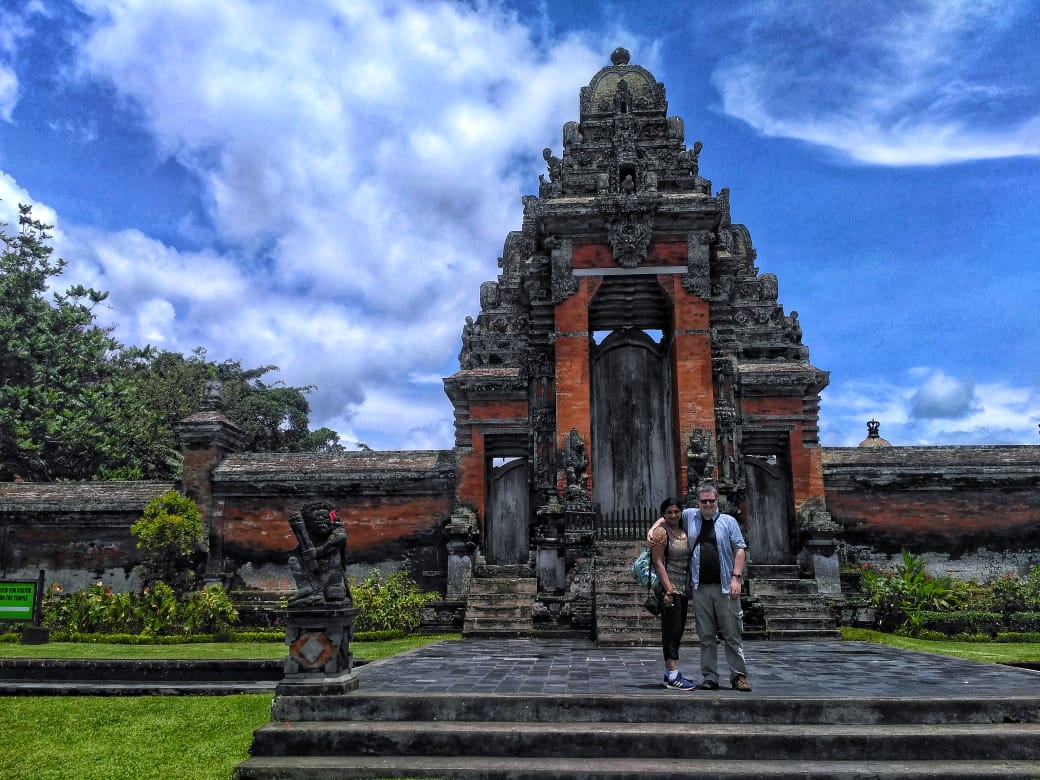
Taman Ayun Temple, located in the village of Mengwi in Bali, is a significant historical and cultural landmark. Known for its expansive grounds and stunning architectural design, this temple complex serves as a symbol of Balinese spiritual and royal heritage. Built in the 17th century, Taman Ayun, which means “beautiful garden,” lives up to its name with its well-manicured gardens, serene water features, and intricate temple structures.

Historical Significance

Taman Ayun Temple was constructed in 1634 by the ruler of the Mengwi Kingdom, Raja I Gusti Agung Putu, as a family temple and a place of worship for the Mengwi kingdom. The temple’s establishment was also aimed at bringing prosperity and peace to the kingdom. The temple complex underwent several renovations over the centuries, maintaining its historical and cultural significance.

Taman Ayun is part of the UNESCO World Heritage site known as the “Cultural Landscape of Bali Province: the Subak System as a Manifestation of the Tri Hita Karana Philosophy.” This recognition underscores its importance in the context of Bali’s cultural and agricultural heritage.

Architectural Beauty

The architectural design of Taman Ayun Temple is a testament to the ingenuity and artistry of Balinese temple construction. The temple is surrounded by a wide moat, giving it the appearance of floating on water. This design symbolizes the cosmic mountain and the world of gods, reflecting the Balinese concept of harmony between humans, nature, and the spiritual realm.

The temple complex is divided into three main courtyards, each representing different levels of spiritual significance. The outermost courtyard, Jaba, is a large, open area with lush gardens and a tranquil ambiance. The middle courtyard, Jaba Tengah, features smaller shrines and pavilions, used for various temple activities and ceremonies.

The innermost courtyard, Jeroan, is the most sacred part of the temple, accessible only to those conducting rituals. This area houses the temple’s main meru towers, multi-tiered shrines dedicated to various deities and ancestors. The highest meru, with eleven tiers, is dedicated to the supreme god, Sang Hyang Widhi Wasa.

Cultural Experience

Visitors to Taman Ayun Temple can immerse themselves in the rich cultural heritage of Bali. The temple is an active place of worship, where locals perform daily offerings and ceremonies. Witnessing these rituals provides insight into the spiritual practices and beliefs of the Balinese people.

The temple grounds also feature a museum that displays historical artifacts and provides information about the temple’s history and significance. This enhances the visitor experience by offering a deeper understanding of the cultural and religious context of Taman Ayun.

Scenic Beauty and Photography

Taman Ayun’s picturesque setting makes it a favorite spot for photographers and nature lovers. The serene water features, lush gardens, and intricate temple architecture create a harmonious and visually stunning environment. The reflection of the temple structures in the surrounding moat adds to the overall beauty, making it an ideal location for capturing the essence of Balinese temple aesthetics.

Conclusion

Taman Ayun Temple is a remarkable example of Balinese architectural elegance and spiritual significance. Its beautiful gardens, sacred shrines, and historical importance make it a must-visit destination for those seeking to explore Bali’s rich cultural heritage. A visit to Taman Ayun offers a serene and enriching experience, allowing visitors to appreciate the island’s unique blend of natural beauty and spiritual depth.

Ujung Water Palace Karangasem

Ujung Water Palace Karangasem

Ujung Water Palace: Karangasem’s Majestic Oasis

Introduction

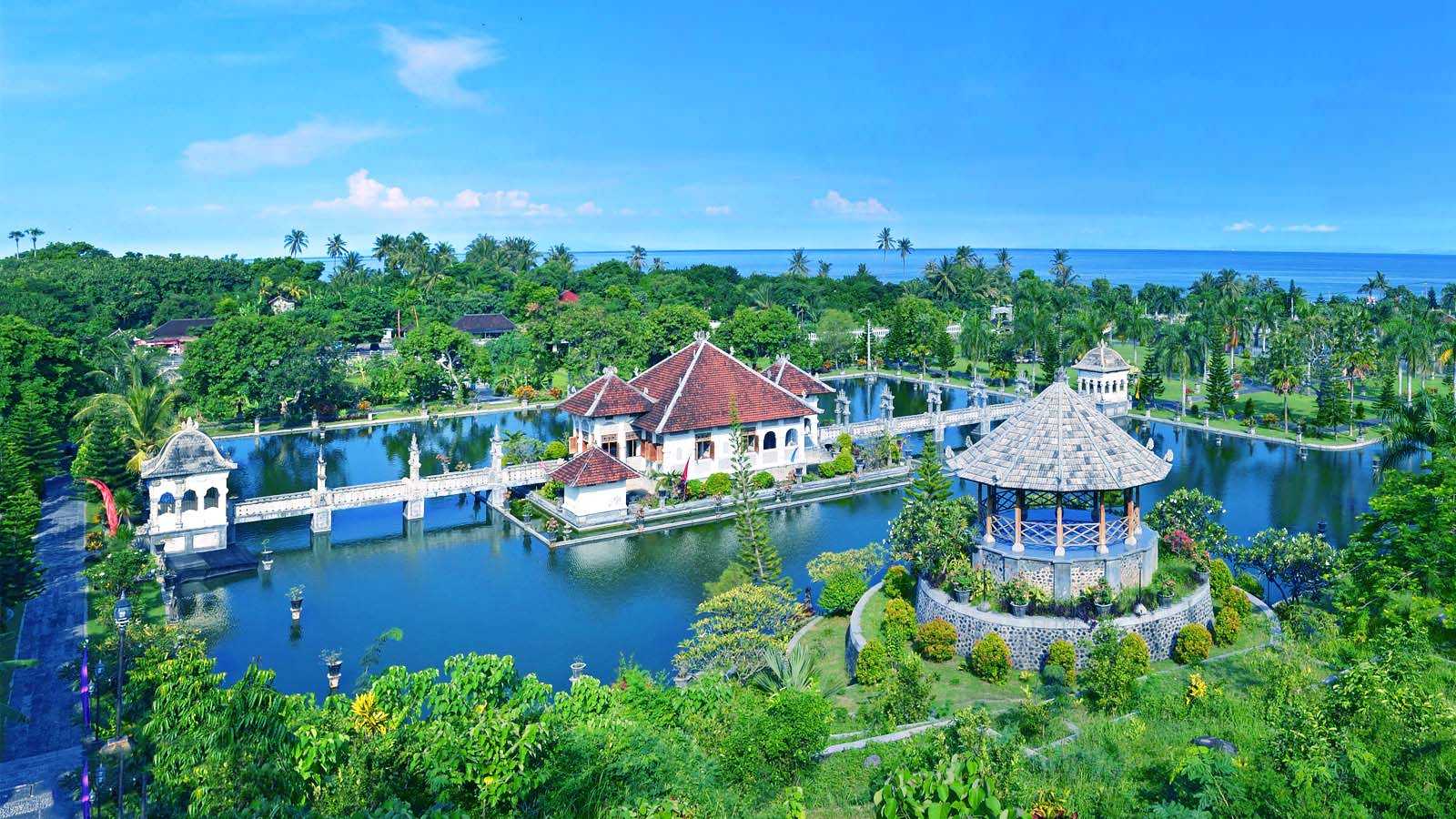
Ujung Water Palace, also known as Taman Soekasada Ujung, is a stunning historical landmark located in Karangasem Regency, East Bali. This water palace is renowned for its beautiful architecture, serene water features, and panoramic views of the surrounding landscapes. Built in the early 20th century by the King of Karangasem, Ujung Water Palace serves as a testament to the grandeur and sophistication of Bali’s royal heritage.

Historical and Architectural Significance

The construction of Ujung Water Palace began in 1909 under the reign of King Gusti Bagus Jelantik, also known as Anak Agung Anglurah Ketut Karangasem. The palace was initially conceived as a place of relaxation and entertainment for the royal family and their guests. The design of the palace reflects a blend of Balinese, Dutch, and Chinese architectural styles, showcasing the island’s cultural diversity and the king’s cosmopolitan vision.

Ujung Water Palace was significantly damaged by the eruption of Mount Agung in 1963 and a subsequent earthquake in 1976. However, it has since been restored to its former glory, retaining its historical charm and elegance.

Layout and Features

The palace complex spans over 10 hectares and is divided into three main sections: the lower, middle, and upper levels. Each level is connected by a series of elegant staircases and pathways, adorned with statues and ornamental plants.

The lower level features expansive ponds and gardens, creating a tranquil and picturesque setting. The main pond, known as the “Bale Kambang,” is a large rectangular pool with a beautiful floating pavilion in the center. This pavilion, accessible via a stone bridge, was used by the royal family for relaxation and meditation.

The middle level houses the main building, “Bale Gili,” which is a grand structure situated in the middle of another large pool. This building served as a gathering place for the royal family and their guests, offering stunning views of the surrounding water features and gardens.

The upper level of Ujung Water Palace provides panoramic vistas of the surrounding countryside, including the nearby coastline and the majestic Mount Agung. This vantage point offers visitors breathtaking views and photo opportunities.

Scenic Beauty and Photography

Ujung Water Palace is a photographer’s paradise. The harmonious combination of water, architecture, and lush greenery creates a serene and picturesque environment. The reflective pools, elegant bridges, and intricate carvings offer countless opportunities for stunning photos, particularly during sunrise and sunset when the light adds a magical glow to the landscape.

Cultural Experience

Visitors to Ujung Water Palace can immerse themselves in the rich cultural heritage of Bali. The palace complex is often used for traditional ceremonies and cultural events, providing insights into the island’s royal history and customs. The serene ambiance and historical significance of the palace offer a unique cultural experience for tourists and locals alike.

Amenities and Accessibility

Ujung Water Palace is easily accessible from the town of Amlapura and other parts of East Bali. The site offers amenities such as parking, restrooms, and a small café where visitors can relax and enjoy refreshments. The well-maintained pathways and informative signage enhance the visitor experience, making it easy to explore and appreciate the beauty and history of the palace.

Conclusion

Ujung Water Palace is a remarkable blend of natural beauty, architectural elegance, and historical significance. Whether you’re strolling through its tranquil gardens, admiring the intricate design of its pavilions, or taking in the panoramic views from its upper levels, a visit to Ujung Water Palace promises a memorable and enriching experience that captures the essence of Bali’s royal heritage and scenic splendor.