


Bajra Sandhi Monument: Commemorating Bali’s Struggle for Independence
Introduction
The Bajra Sandhi Monument stands as a symbol of Bali’s resilience and struggle for independence. Located in Renon, Denpasar, Bali, this majestic monument is a testament to the island’s rich history and cultural heritage. It serves as a memorial to honor the sacrifices made by the Balinese people during their fight against colonial rule and as a beacon of national unity and pride.
Historical Context
The Bajra Sandhi Monument was built to commemorate the struggles of the Balinese people throughout history, particularly their resistance against Dutch colonialism and their fight for independence. The monument’s name, “Bajra Sandhi,” translates to “Bell of Victory,” symbolizing the Balinese victory in their quest for independence.
Architectural Significance
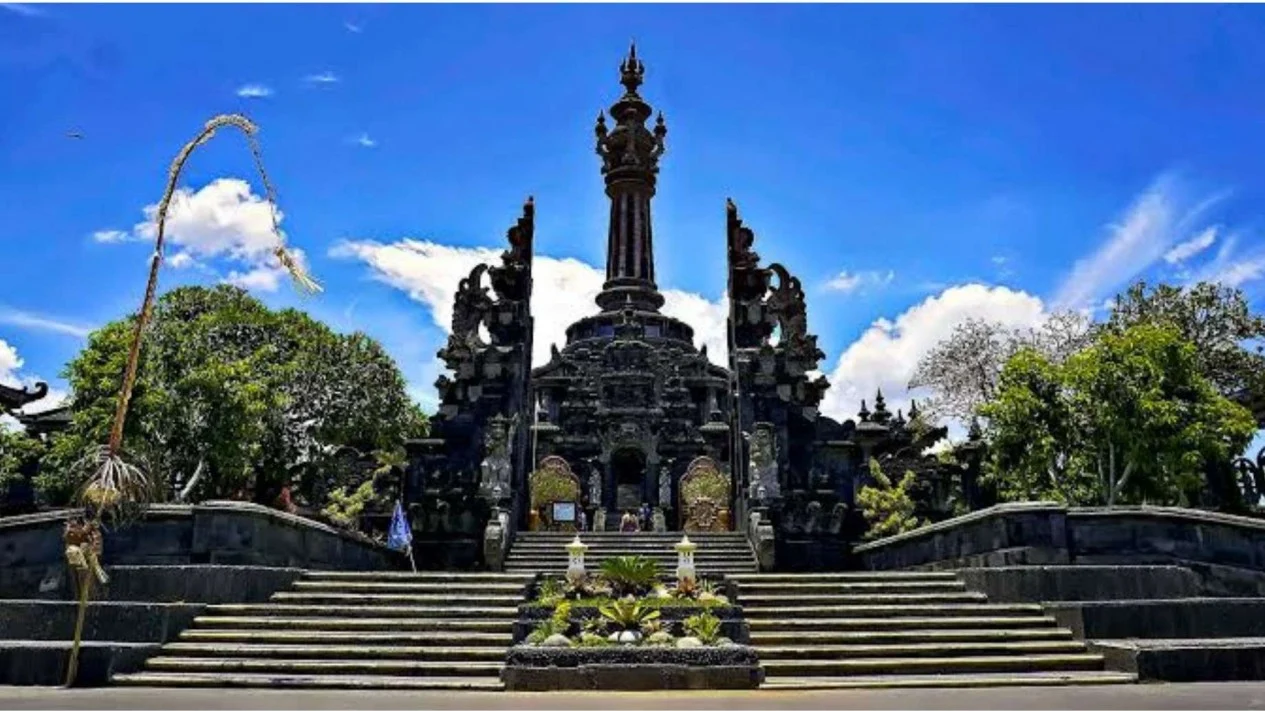
Designed by renowned Balinese architect Ida Bagus Gede Yadnya, the monument’s architecture is deeply rooted in Balinese Hindu symbolism. The monument is divided into three parts symbolizing the three stages of life according to Hindu philosophy: the base represents the earthly realm, the middle section represents human life, and the upper part, crowned by a towering lotus blossom structure, represents spiritual enlightenment.
The monument’s exterior features intricate carvings and reliefs that depict scenes from Bali’s history, including significant battles, cultural ceremonies, and the struggle for independence. The design incorporates traditional Balinese architectural elements, such as majestic gates (candi bentar) and ornate stone carvings, reflecting the island’s rich cultural heritage.
Cultural Significance
Bajra Sandhi Monument is not only a historical landmark but also a cultural center that celebrates Bali’s identity and heritage. It houses a museum that showcases artifacts, photographs, and documents related to Bali’s history, from ancient times to the present day. Visitors can learn about Bali’s cultural evolution, traditional customs, and the heroic deeds of its people through interactive exhibits and displays.
Commemorative Events and Activities
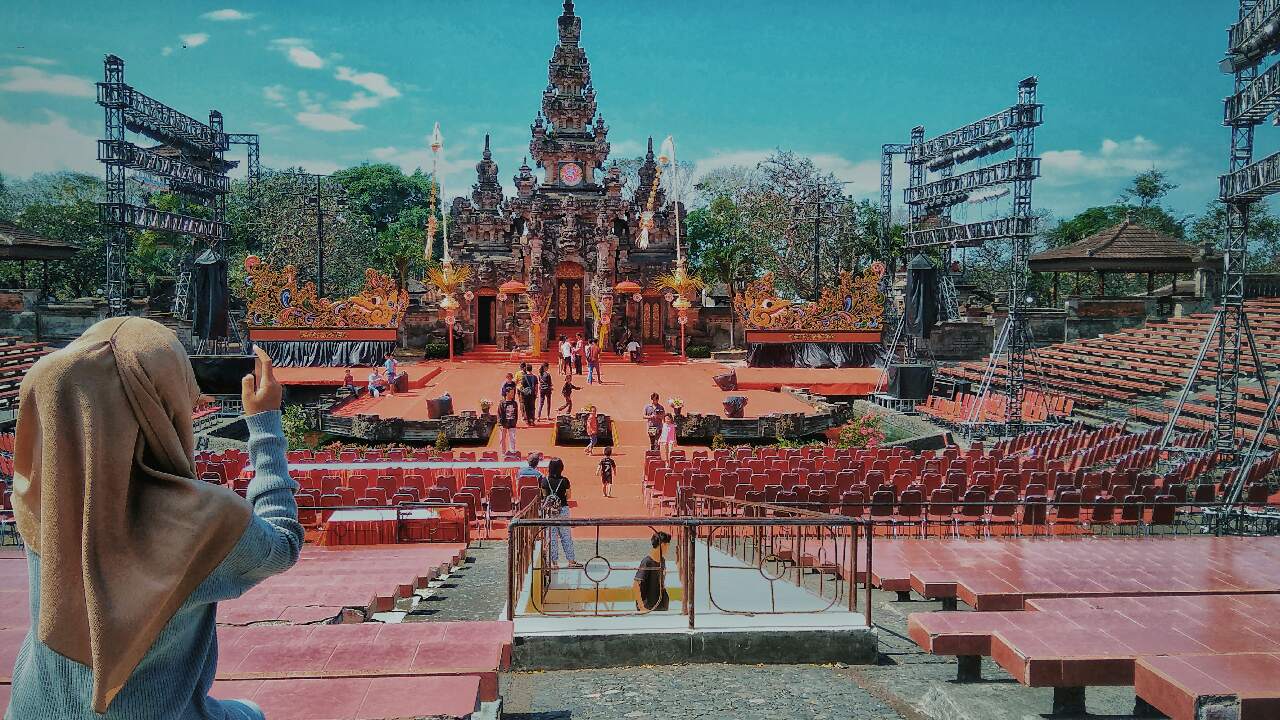
The monument serves as a venue for various cultural and commemorative events throughout the year. On significant dates such as Indonesia’s Independence Day (August 17th) and Bali’s Independence Day (December 1st), ceremonies and cultural performances are held to honor the sacrifices of Bali’s heroes and to celebrate the island’s cultural diversity.
Educational Destination
Bajra Sandhi Monument is a popular educational destination for students and tourists alike. Guided tours and educational programs are available to provide deeper insights into Bali’s history and cultural heritage. The monument’s serene surroundings and panoramic views of Denpasar City also make it a favorite spot for photography and leisurely walks.
Conclusion
The Bajra Sandhi Monument stands as a powerful symbol of Bali’s struggle for independence and its cultural resilience. Through its striking architecture, educational exhibits, and commemorative events, the monument preserves and promotes Bali’s rich history and cultural identity. It serves as a reminder of the sacrifices made by the Balinese people and inspires future generations to cherish and uphold their heritage. Visiting the Bajra Sandhi Monument offers a profound experience that combines history, culture, and national pride, making it a must-see attraction for anyone exploring the vibrant island of Bali.