


Subak Museum: Preserving Bali’s Agricultural Heritage
Introduction
Located in the town of Tabanan, the Subak Museum is a unique cultural institution dedicated to preserving and showcasing Bali’s traditional irrigation system known as Subak. This museum offers visitors an in-depth look at the intricate and sustainable agricultural practices that have supported Balinese rice farming for centuries. The Subak system is a testament to the island’s rich cultural heritage and communal values.
Historical and Cultural Significance
The Subak system is an ancient irrigation method that dates back to the 9th century. It is a cooperative water management system used to irrigate rice fields, ensuring fair and efficient distribution of water. The system is intricately linked to Balinese Hinduism, emphasizing the concept of Tri Hita Karana, which promotes harmony among people, nature, and the spiritual realm. Recognized by UNESCO as a World Heritage Site in 2012, the Subak system is celebrated for its contribution to sustainable agriculture and its role in fostering community spirit.
Exhibits and Collections
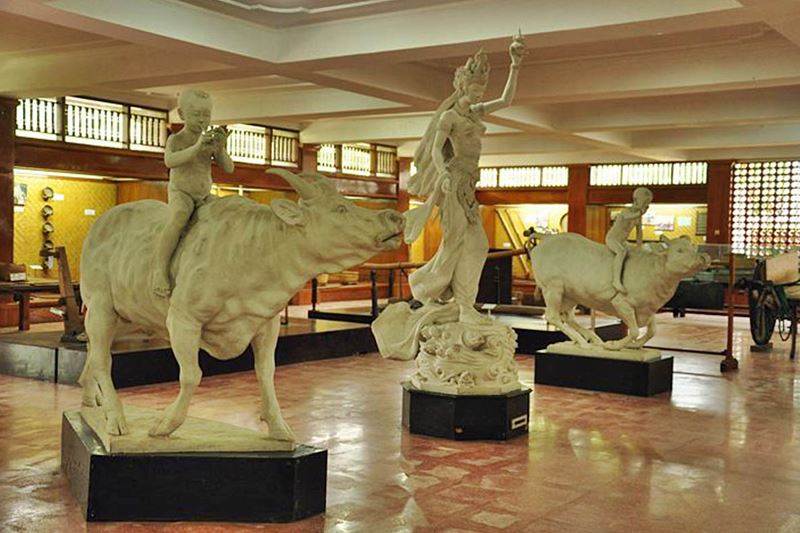
The Subak Museum features a variety of exhibits that provide insights into the history, technology, and cultural significance of the Subak system. The museum’s collections include traditional tools and equipment used in rice farming, such as plows, sickles, and waterwheels. These artifacts illustrate the evolution of agricultural practices in Bali and highlight the ingenuity of local farmers.
One of the key exhibits is a detailed model of a Subak irrigation system, demonstrating how water is channeled from natural springs and rivers through a network of canals and weirs to reach the rice terraces. This model helps visitors understand the complexity and efficiency of the system.
The museum also houses dioramas and photographs that depict various stages of rice cultivation, from planting to harvesting. These visual aids, along with informative panels, provide a comprehensive overview of the entire agricultural process and the communal labor involved.
Educational Programs and Activities
The Subak Museum offers educational programs and workshops aimed at promoting awareness of traditional agricultural practices and environmental sustainability. Visitors can participate in hands-on activities such as traditional rice planting and harvesting, providing a deeper appreciation of the labor and skill required in rice farming.
Guided tours are available, offering detailed explanations of the exhibits and the historical context of the Subak system. These tours are led by knowledgeable guides who share fascinating stories and insights about Balinese culture and agriculture.
Importance of Preservation
The Subak Museum plays a crucial role in preserving Bali’s agricultural heritage, particularly as modern development poses challenges to traditional practices. By educating both locals and tourists about the Subak system, the museum helps to ensure the continued appreciation and protection of this vital cultural legacy.
Conclusion
The Subak Museum is a valuable cultural institution that provides an in-depth look at one of Bali’s most significant contributions to sustainable agriculture. Through its exhibits, educational programs, and hands-on activities, the museum offers a comprehensive and engaging experience that highlights the ingenuity, tradition, and communal spirit of Balinese rice farming. A visit to the Subak Museum not only enriches one’s understanding of Bali’s cultural heritage but also underscores the importance of preserving traditional practices in the face of modern challenges.