


Uluwatu Temple: Bali’s Cliffside Sanctuary
Introduction
Perched majestically on a steep cliff overlooking the Indian Ocean, Uluwatu Temple (Pura Luhur Uluwatu) is one of Bali’s most iconic and spiritually significant sites. This ancient temple, dating back to the 11th century, offers visitors a breathtaking combination of cultural heritage, dramatic seascapes, and mesmerizing sunsets, making it a must-visit destination for anyone exploring the island.
Historical and Spiritual Significance
Uluwatu Temple is one of the six key temples believed to be Bali’s spiritual pillars. It is dedicated to Sang Hyang Widhi Wasa in his manifestation as Rudra, the Hindu god of storm and wind. The temple is said to protect Bali from evil sea spirits and is an essential part of Balinese spirituality and religious life.
The temple’s history is intertwined with that of the revered priest Dang Hyang Nirartha, who is credited with establishing several important temples in Bali. According to legend, Nirartha attained moksha (spiritual liberation) at Uluwatu, and his spirit is believed to dwell in the temple, adding to its sacredness.
Architectural Marvel
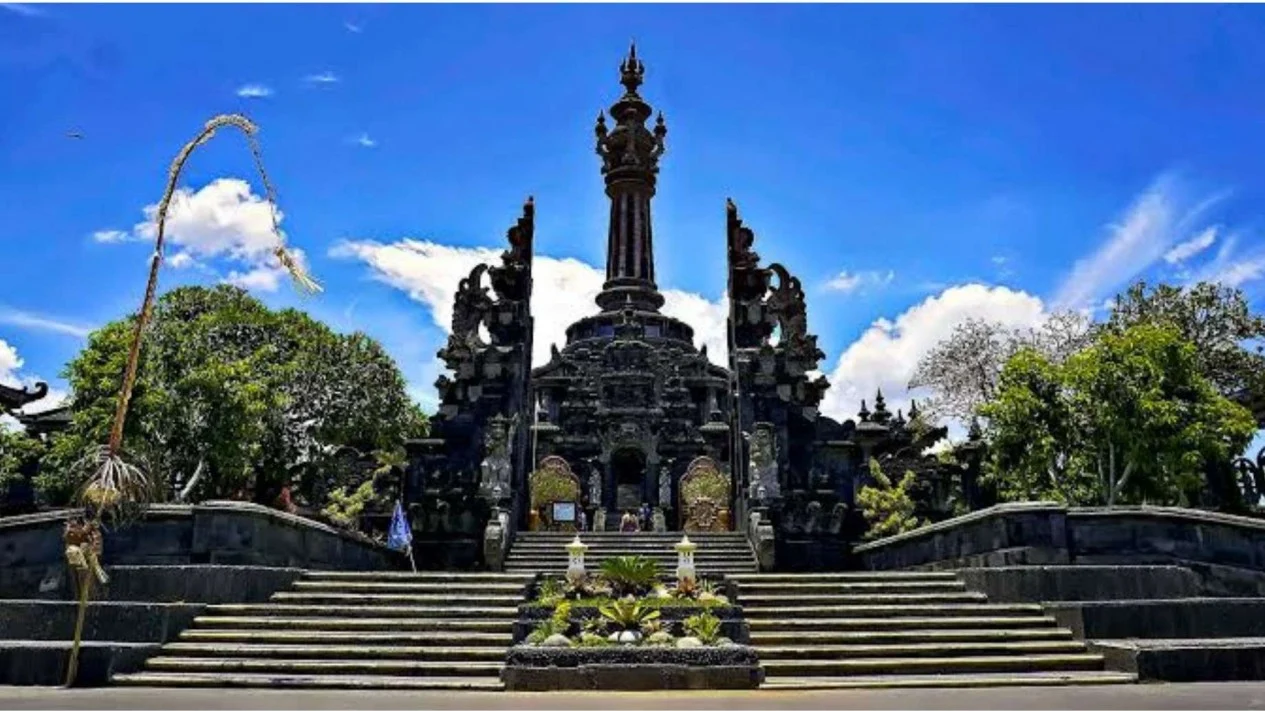
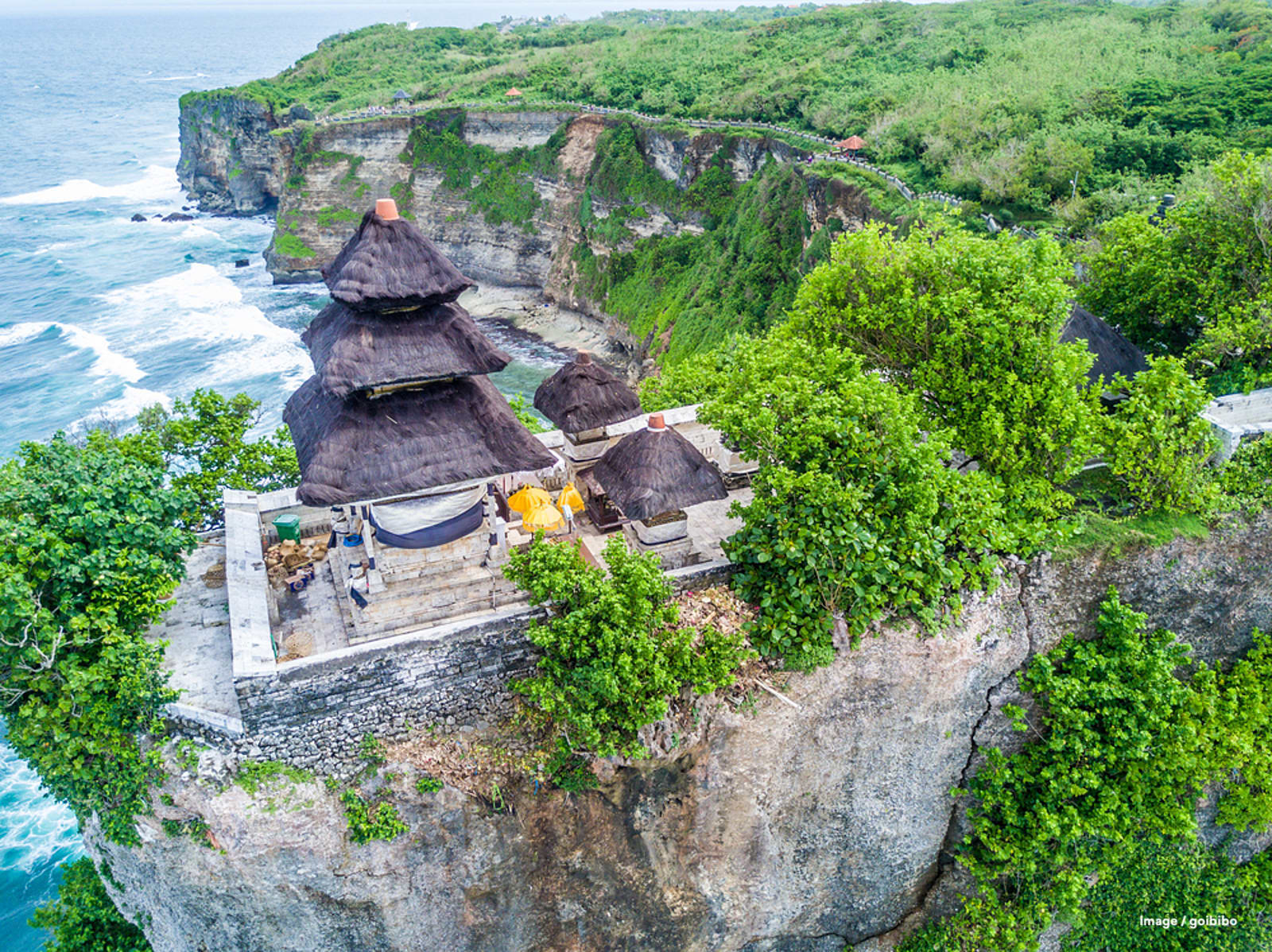
The architecture of Uluwatu Temple is a testament to classical Balinese design. The temple complex is built on the edge of a 70-meter-high cliff, offering stunning views of the ocean waves crashing against the rocks below. The main temple structure features traditional Balinese carvings and stonework, with intricate motifs that depict mythological scenes and deities.
The temple grounds include several smaller shrines, gateways, and courtyards, all connected by well-maintained pathways that meander through lush gardens. The entrance is guarded by stone statues of Ganesha, the elephant-headed god, symbolizing protection and wisdom.
Scenic Beauty and Wildlife
One of the main attractions of Uluwatu Temple is its spectacular location. The cliffside setting provides panoramic views of the Indian Ocean, especially during sunset, when the sky transforms into a canvas of vibrant colors. The sight of the sun dipping below the horizon, with the temple silhouetted against the glowing sky, is truly awe-inspiring.
The temple grounds are also home to a population of long-tailed macaques. These monkeys are notorious for their playful and sometimes mischievous behavior, often snatching visitors’ belongings. While they add a lively element to the visit, it’s advisable to keep a close eye on personal items.
Cultural Performances
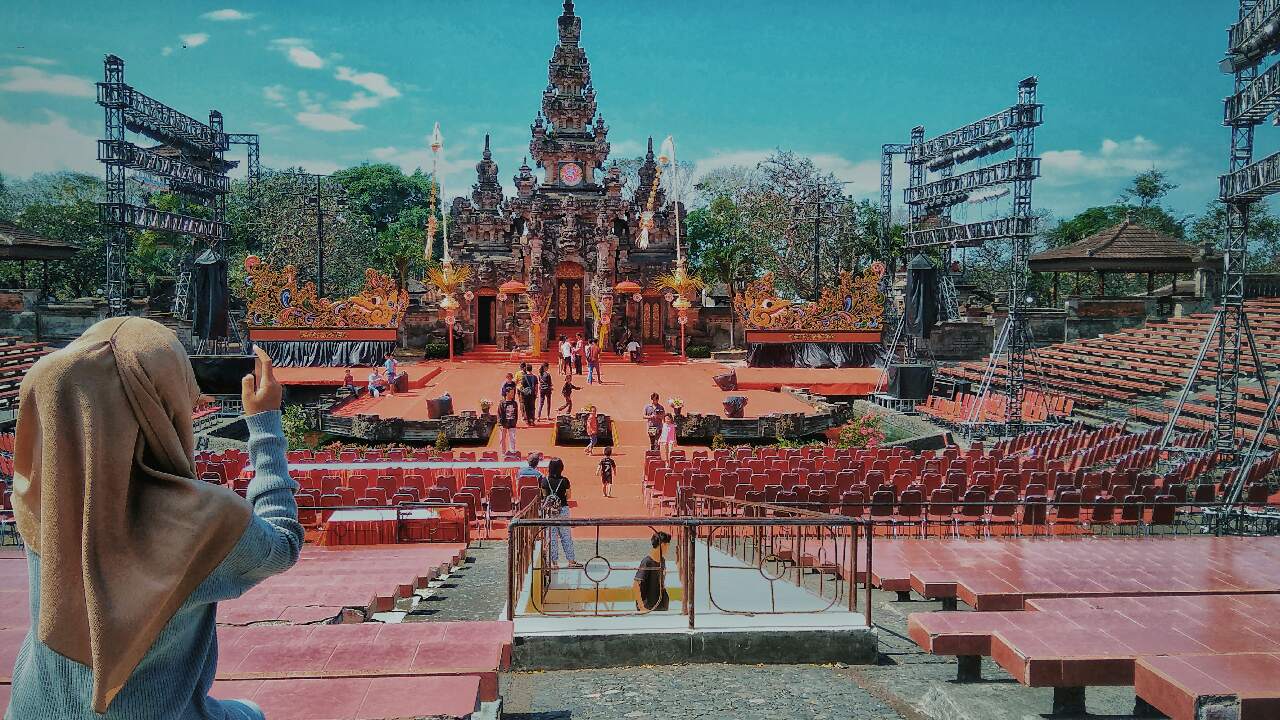
Uluwatu Temple is renowned for its traditional Kecak dance performances, held daily at an open-air amphitheater near the temple. The Kecak dance, also known as the Ramayana Monkey Chant, involves a group of men chanting “cak” rhythmically while enacting scenes from the Ramayana epic. The performance, set against the backdrop of the setting sun and the ocean, creates a magical and unforgettable experience.
Practical Information
Visitors to Uluwatu Temple are required to wear a sarong and sash, which are provided at the entrance. Modest dress is appreciated out of respect for the sacred site. The temple can be easily reached from popular tourist areas such as Kuta and Seminyak, making it a convenient day trip.
Conclusion
Uluwatu Temple is a cultural and spiritual treasure that encapsulates the essence of Bali. Its dramatic cliffside location, rich history, and stunning architecture make it a captivating destination for travelers. Whether you are drawn by its religious significance, architectural beauty, or breathtaking views, a visit to Uluwatu Temple promises an enriching and memorable experience.