

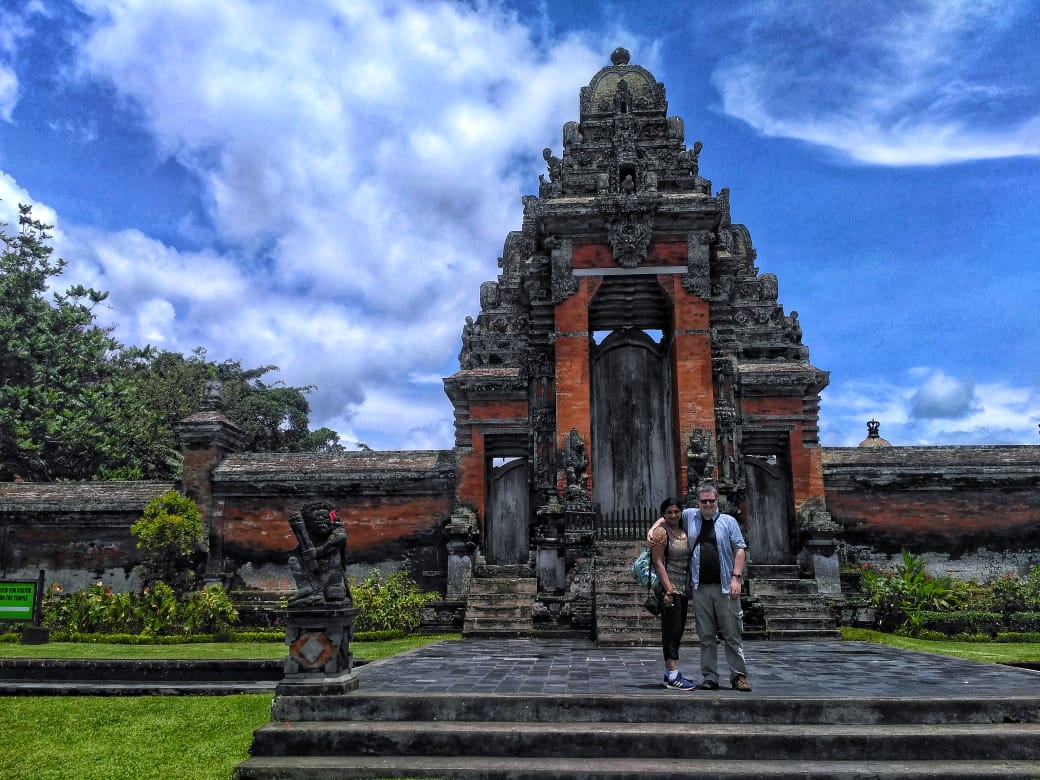

Taman Ayun Temple: The Majestic Royal Water Temple of Mengwi
Introduction
Taman Ayun Temple, located in the village of Mengwi in Bali, is a significant historical and cultural landmark. Known for its expansive grounds and stunning architectural design, this temple complex serves as a symbol of Balinese spiritual and royal heritage. Built in the 17th century, Taman Ayun, which means “beautiful garden,” lives up to its name with its well-manicured gardens, serene water features, and intricate temple structures.
Historical Significance
Taman Ayun Temple was constructed in 1634 by the ruler of the Mengwi Kingdom, Raja I Gusti Agung Putu, as a family temple and a place of worship for the Mengwi kingdom. The temple’s establishment was also aimed at bringing prosperity and peace to the kingdom. The temple complex underwent several renovations over the centuries, maintaining its historical and cultural significance.
Taman Ayun is part of the UNESCO World Heritage site known as the “Cultural Landscape of Bali Province: the Subak System as a Manifestation of the Tri Hita Karana Philosophy.” This recognition underscores its importance in the context of Bali’s cultural and agricultural heritage.
Architectural Beauty
The architectural design of Taman Ayun Temple is a testament to the ingenuity and artistry of Balinese temple construction. The temple is surrounded by a wide moat, giving it the appearance of floating on water. This design symbolizes the cosmic mountain and the world of gods, reflecting the Balinese concept of harmony between humans, nature, and the spiritual realm.
The temple complex is divided into three main courtyards, each representing different levels of spiritual significance. The outermost courtyard, Jaba, is a large, open area with lush gardens and a tranquil ambiance. The middle courtyard, Jaba Tengah, features smaller shrines and pavilions, used for various temple activities and ceremonies.
The innermost courtyard, Jeroan, is the most sacred part of the temple, accessible only to those conducting rituals. This area houses the temple’s main meru towers, multi-tiered shrines dedicated to various deities and ancestors. The highest meru, with eleven tiers, is dedicated to the supreme god, Sang Hyang Widhi Wasa.
Cultural Experience
Visitors to Taman Ayun Temple can immerse themselves in the rich cultural heritage of Bali. The temple is an active place of worship, where locals perform daily offerings and ceremonies. Witnessing these rituals provides insight into the spiritual practices and beliefs of the Balinese people.
The temple grounds also feature a museum that displays historical artifacts and provides information about the temple’s history and significance. This enhances the visitor experience by offering a deeper understanding of the cultural and religious context of Taman Ayun.
Scenic Beauty and Photography
Taman Ayun’s picturesque setting makes it a favorite spot for photographers and nature lovers. The serene water features, lush gardens, and intricate temple architecture create a harmonious and visually stunning environment. The reflection of the temple structures in the surrounding moat adds to the overall beauty, making it an ideal location for capturing the essence of Balinese temple aesthetics.
Conclusion
Taman Ayun Temple is a remarkable example of Balinese architectural elegance and spiritual significance. Its beautiful gardens, sacred shrines, and historical importance make it a must-visit destination for those seeking to explore Bali’s rich cultural heritage. A visit to Taman Ayun offers a serene and enriching experience, allowing visitors to appreciate the island’s unique blend of natural beauty and spiritual depth.