Good Guide

Krisna Souvenir

Krisna Souvenir

Krisna Souvenir: One Stop Shopping Bali Souvenir

Krisna, often referred to as Krisna Bali or Krisna Oleh-Oleh, is a prominent chain of souvenir shops in Bali, Indonesia, renowned for offering a wide array of local products, handicrafts, and gifts. Established with the aim of providing tourists and visitors with a comprehensive selection of authentic Balinese souvenirs under one roof, Krisna has become synonymous with quality, variety, and convenience in souvenir shopping on the island.

History and Establishment

Founded in the early 2000s, Krisna was established to cater to the burgeoning tourism industry in Bali. The first Krisna store opened its doors in Kuta, strategically located near the island’s busiest tourist areas. Since then, the brand has expanded significantly, with multiple outlets across Bali, including in popular destinations like Ubud, Denpasar, and Seminyak. This strategic expansion has allowed Krisna to reach a broader audience and cater to the diverse tastes of both local and international shoppers.

Product Range

Krisna is celebrated for its extensive range of products, which encompass traditional Balinese handicrafts, art pieces, textiles, clothing, accessories, home décor items, and culinary delights. Visitors to Krisna stores can find everything from intricately carved wooden masks and statues to handwoven textiles, batik clothing, silver jewelry, and aromatic Balinese coffee and spices. The stores are designed to provide a shopping experience that reflects Bali’s rich cultural heritage and craftsmanship, making it a favorite destination for souvenir shopping.

Shopping Experience

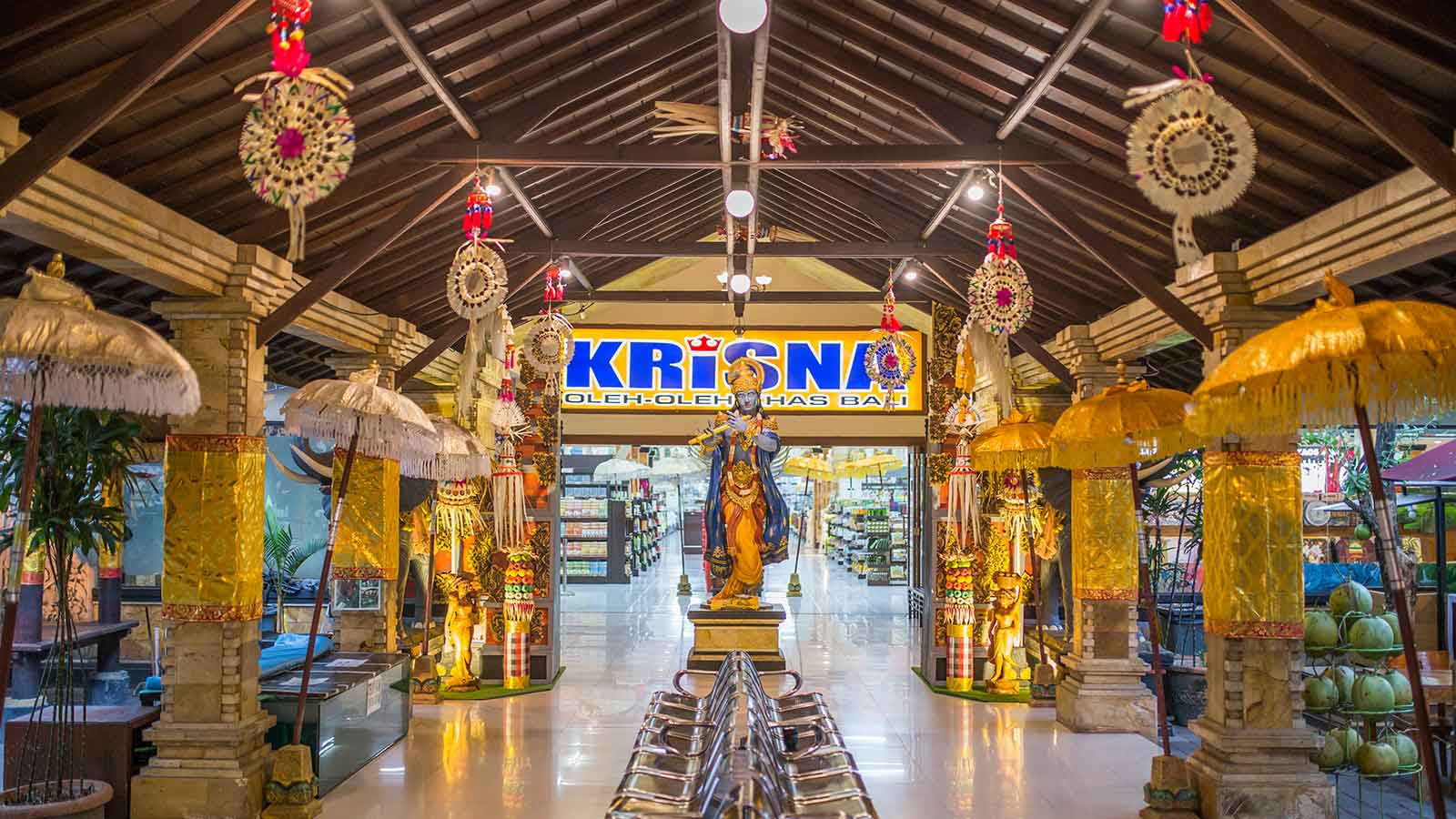
The ambiance of Krisna stores is designed to be inviting and conducive to leisurely browsing. The spacious interiors are neatly organized into sections, each dedicated to different categories of products. Visitors can explore aisles lined with colorful sarongs, shelves displaying unique handicrafts, and racks showcasing traditional Balinese outfits. The layout ensures that shoppers can easily navigate through the store and find items that appeal to their preferences and interests.

Quality Assurance

One of Krisna’s distinguishing features is its commitment to quality and authenticity. The stores collaborate directly with local artisans and craftsmen, ensuring that the products sold are genuine and crafted with meticulous attention to detail. This direct sourcing also supports local communities and promotes sustainable tourism practices by empowering Balinese artisans and preserving traditional craftsmanship.

Cultural Engagement and Community Support

Beyond its role as a retail outlet, Krisna actively engages in promoting Balinese culture and supporting local communities. The stores occasionally host cultural performances, demonstrations by artisans, and workshops where visitors can learn about traditional Balinese crafts such as woodcarving, batik making, and silver crafting. These initiatives not only enrich the shopping experience but also contribute to cultural preservation and awareness among visitors.

Conclusion

Krisna has emerged as a cornerstone of Bali’s souvenir shopping landscape, offering a blend of convenience, authenticity, and cultural immersion. Whether you’re looking to bring home a piece of Balinese artistry, a unique handicraft, or a taste of local flavors, Krisna provides a comprehensive shopping experience that celebrates the island’s vibrant cultural heritage. With its dedication to quality, variety, and community support, Krisna continues to be a favored destination for both tourists seeking mementos of their Bali experience and locals seeking authentic Balinese goods.
Art Center Bali

Art Center Bali

Art Center Bali: All About Traditional Once a Year

The Art Center Bali, known locally as Taman Budaya Bali or Pusat Kebudayaan Bali, is a prominent cultural institution located in Denpasar, the capital city of Bali. Established to preserve, promote, and celebrate Balinese arts and culture, the Art Center is a hub for various artistic performances, exhibitions, and cultural events that showcase the island’s rich heritage.

Cultural Significance

The Art Center Bali was inaugurated in 1973 by Indonesia’s first president, Sukarno, during the peak of his campaign to promote the arts and culture across the archipelago. Its establishment marked a significant milestone in Bali’s cultural landscape, providing a dedicated venue for artists, performers, and cultural enthusiasts to converge and exchange ideas.

Architectural Marvel

Architect Ida Bagus Tugur and artist Ida Bagus Made designed the Art Center’s expansive grounds and striking architecture. The complex is built in a traditional Balinese architectural style, featuring ornate gates (candi bentar), towering thatched-roof pavilions (bale), and intricate stone carvings. These elements not only reflect Bali’s artistic heritage but also create a serene and aesthetically pleasing environment for cultural activities.

Venues and Facilities

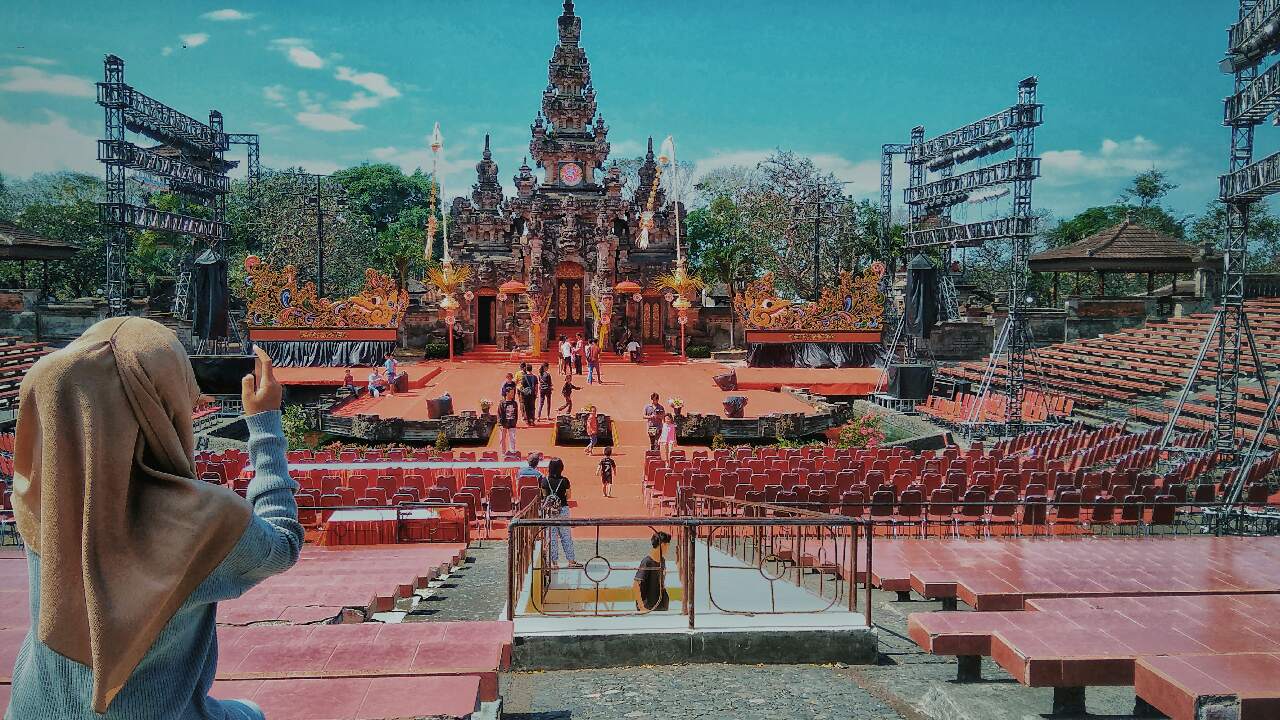
The Art Center encompasses several venues tailored to different artistic pursuits. The main amphitheater, Ardha Candra, hosts a variety of performances, including traditional Balinese dance, music concerts, theater productions, and contemporary dance performances. The open-air setting of Ardha Candra allows for a close connection between performers and the audience, enhancing the immersive experience of Balinese performing arts.

Other facilities within the Art Center include exhibition halls, studios for artists-in-residence, workshops for traditional crafts, and seminar rooms for cultural lectures and discussions. These spaces cater to both local artists and international visitors interested in exploring and learning about Balinese art forms and techniques.

Events and Festivals

Throughout the year, the Art Center Bali is abuzz with cultural events and festivals that highlight Bali’s diverse artistic expressions. One of the most prestigious events held here is the Bali Arts Festival (Pesta Kesenian Bali), an annual month-long celebration that showcases traditional and contemporary Balinese arts, including dance, music, theater, and visual arts. The festival attracts performers and audiences from all over Indonesia and around the world, making it a vibrant and dynamic cultural exchange.

Education and Outreach

The Art Center Bali plays a pivotal role in cultural education and outreach programs. It offers workshops, masterclasses, and training sessions conducted by seasoned artists and cultural experts. These programs aim to preserve traditional art forms, foster creativity among younger generations, and promote cultural understanding both locally and internationally.

Conclusion

The Art Center Bali stands as a beacon of Bali’s artistic and cultural vitality. By providing a platform for artistic expression, preserving traditional arts, and nurturing emerging talents, the Art Center contributes significantly to the cultural identity and heritage of Bali. Visitors to the Art Center Bali are immersed in a rich tapestry of performances, exhibitions, and educational activities that celebrate the island’s artistic legacy and inspire appreciation for its vibrant cultural traditions.

Bajra Sandhi Monument

Bajra Sandhi Monument

Bajra Sandhi Monument: Commemorating Bali’s Struggle for Independence

Introduction

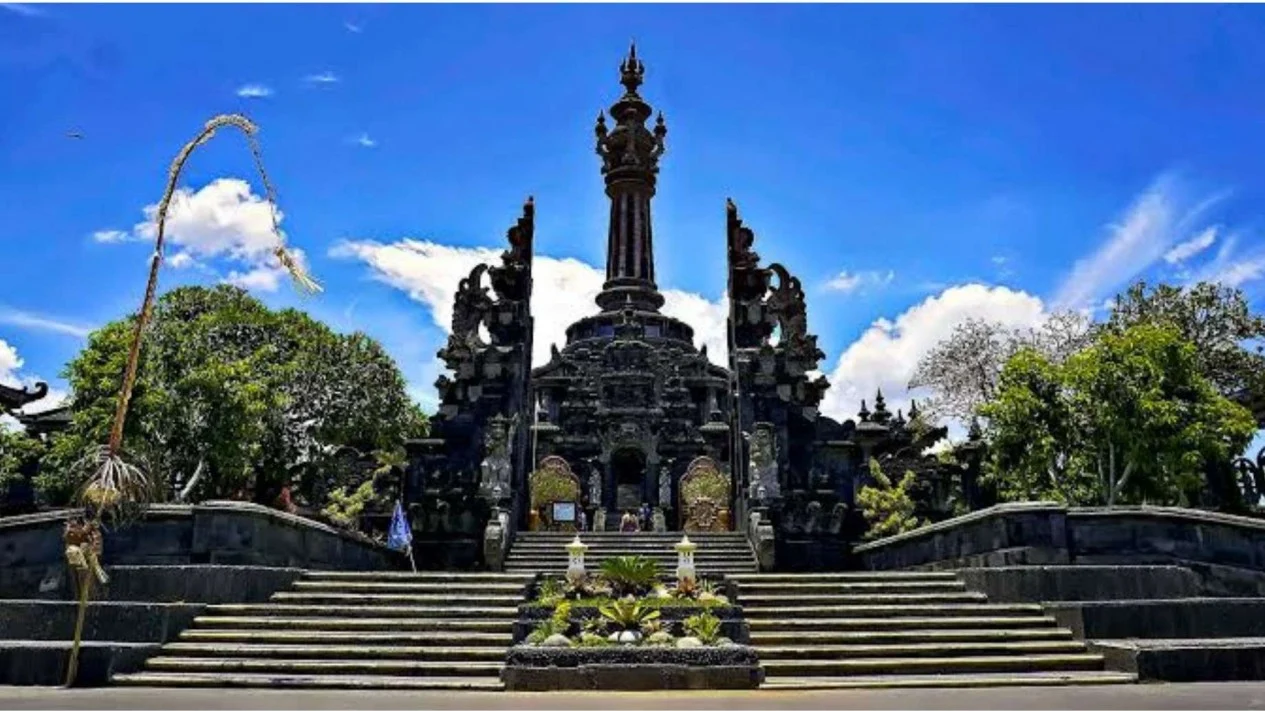
The Bajra Sandhi Monument stands as a symbol of Bali’s resilience and struggle for independence. Located in Renon, Denpasar, Bali, this majestic monument is a testament to the island’s rich history and cultural heritage. It serves as a memorial to honor the sacrifices made by the Balinese people during their fight against colonial rule and as a beacon of national unity and pride.

Historical Context

The Bajra Sandhi Monument was built to commemorate the struggles of the Balinese people throughout history, particularly their resistance against Dutch colonialism and their fight for independence. The monument’s name, “Bajra Sandhi,” translates to “Bell of Victory,” symbolizing the Balinese victory in their quest for independence.

Architectural Significance

Designed by renowned Balinese architect Ida Bagus Gede Yadnya, the monument’s architecture is deeply rooted in Balinese Hindu symbolism. The monument is divided into three parts symbolizing the three stages of life according to Hindu philosophy: the base represents the earthly realm, the middle section represents human life, and the upper part, crowned by a towering lotus blossom structure, represents spiritual enlightenment.

The monument’s exterior features intricate carvings and reliefs that depict scenes from Bali’s history, including significant battles, cultural ceremonies, and the struggle for independence. The design incorporates traditional Balinese architectural elements, such as majestic gates (candi bentar) and ornate stone carvings, reflecting the island’s rich cultural heritage.

Cultural Significance

Bajra Sandhi Monument is not only a historical landmark but also a cultural center that celebrates Bali’s identity and heritage. It houses a museum that showcases artifacts, photographs, and documents related to Bali’s history, from ancient times to the present day. Visitors can learn about Bali’s cultural evolution, traditional customs, and the heroic deeds of its people through interactive exhibits and displays.

Commemorative Events and Activities

The monument serves as a venue for various cultural and commemorative events throughout the year. On significant dates such as Indonesia’s Independence Day (August 17th) and Bali’s Independence Day (December 1st), ceremonies and cultural performances are held to honor the sacrifices of Bali’s heroes and to celebrate the island’s cultural diversity.

Educational Destination

Bajra Sandhi Monument is a popular educational destination for students and tourists alike. Guided tours and educational programs are available to provide deeper insights into Bali’s history and cultural heritage. The monument’s serene surroundings and panoramic views of Denpasar City also make it a favorite spot for photography and leisurely walks.

Conclusion

The Bajra Sandhi Monument stands as a powerful symbol of Bali’s struggle for independence and its cultural resilience. Through its striking architecture, educational exhibits, and commemorative events, the monument preserves and promotes Bali’s rich history and cultural identity. It serves as a reminder of the sacrifices made by the Balinese people and inspires future generations to cherish and uphold their heritage. Visiting the Bajra Sandhi Monument offers a profound experience that combines history, culture, and national pride, making it a must-see attraction for anyone exploring the vibrant island of Bali.

City Park Puputan Badung

City Park Puputan Badung

City Park Puputan Badung: Denpasar’s Historical and Cultural Oasis

Introduction

City Park Puputan Badung, often referred to simply as Puputan Badung, is a significant historical and cultural landmark in Denpasar, the bustling capital city of Bali. This spacious park, located in the heart of the city, serves as a green oasis for both locals and visitors. It is a place of relaxation, recreation, and remembrance, offering a glimpse into Bali’s history and a venue for various cultural and community activities.

Historical Significance

The name “Puputan” refers to a mass ritualistic suicide by Balinese warriors and royalty, preferring death over surrender to the Dutch colonial forces. The most notable Puputan took place in 1906 in Badung, where thousands of Balinese, including the Raja of Badung and his followers, fought to their death against the invading Dutch troops. The park is named in their honor, commemorating their bravery and sacrifice.

Monuments and Memorials

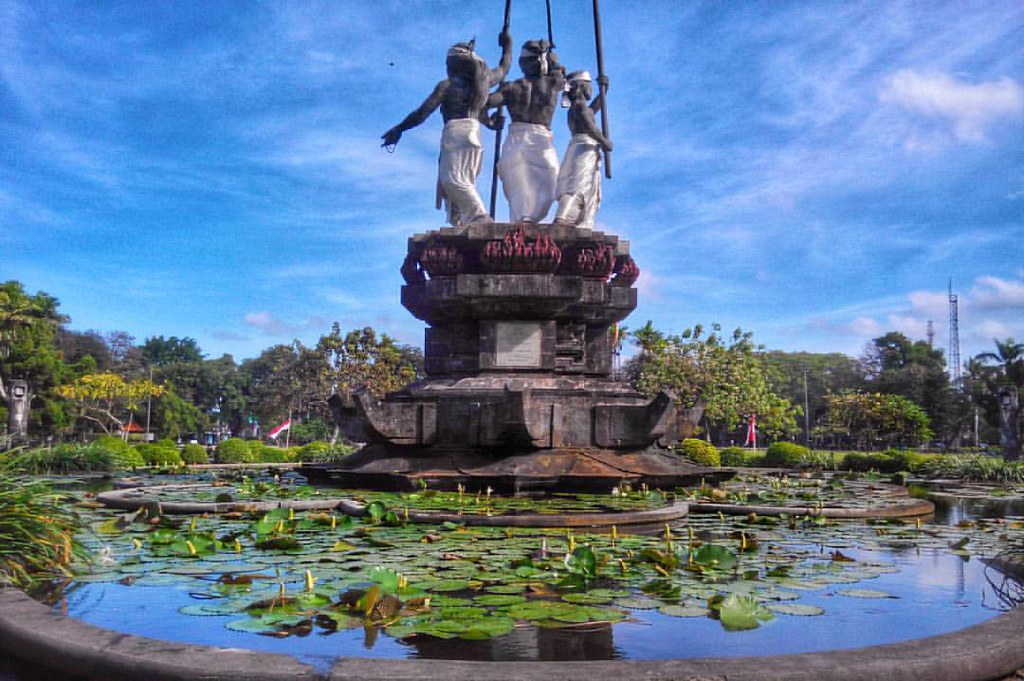
Central to the park is the Puputan Badung Monument, a striking statue that symbolizes the heroism and resistance of the Balinese people during the colonial period. The monument features a depiction of a Balinese king and his followers armed with traditional weapons, ready to fight to the death. This statue is a poignant reminder of the island’s turbulent history and the enduring spirit of its people.

Another notable feature is the statue of Catur Muka, located at the east end of the park. This four-faced statue represents the Hindu god Brahma, symbolizing protection and vigilance. It is a significant landmark in Denpasar and adds a spiritual dimension to the park’s atmosphere.

Recreational and Cultural Hub

Puputan Badung Park is a popular spot for recreational activities. Its expansive lawns, shaded by large trees, provide a perfect setting for picnics, jogging, and leisurely strolls. The park is equipped with well-maintained pathways, benches, and playgrounds, making it a family-friendly destination.

The park also serves as a venue for cultural and community events. Traditional dance performances, music concerts, and local festivals are regularly held here, showcasing Bali’s rich cultural heritage. The park’s open spaces and amphitheater provide an ideal setting for these events, attracting both locals and tourists.

A Green Escape in the City

In the midst of Denpasar’s urban hustle, Puputan Badung Park offers a peaceful retreat where visitors can unwind and connect with nature. The well-manicured gardens, vibrant flowerbeds, and serene water features create a tranquil environment, making it a favorite spot for relaxation and meditation. The park’s strategic location near important landmarks like the Bali Museum and the Jagatnatha Temple adds to its appeal as a central point for exploring Denpasar.

Community and Social Space

The park is a vibrant social space where people from all walks of life come together. It is common to see groups of locals practicing yoga, students engaging in study groups, and friends enjoying casual gatherings. Street vendors selling traditional snacks and refreshments add to the lively atmosphere, providing a taste of local flavors.

Conclusion

City Park Puputan Badung is more than just a green space in Denpasar; it is a historical and cultural symbol of Bali’s resilience and spirit. The park’s combination of historical monuments, recreational facilities, and cultural activities makes it a must-visit destination for anyone exploring Denpasar. Whether you are seeking to learn about Bali’s history, enjoy a cultural performance, or simply relax in a beautiful setting, Puputan Badung Park offers a diverse and enriching experience.

Bali Museum

Bali Museum

Bali Museum: A Gateway to the Island’s Rich Cultural Heritage

Introduction

Bali Museum, also known as Museum Negeri Propinsi Bali, is a cultural and historical landmark located in the heart of Denpasar, Bali’s capital city. Established in 1932, the museum offers a comprehensive overview of Bali’s vibrant history, art, and culture. It is a must-visit destination for those interested in exploring the island’s rich heritage and understanding the traditions that shape Balinese society.

Historical Background

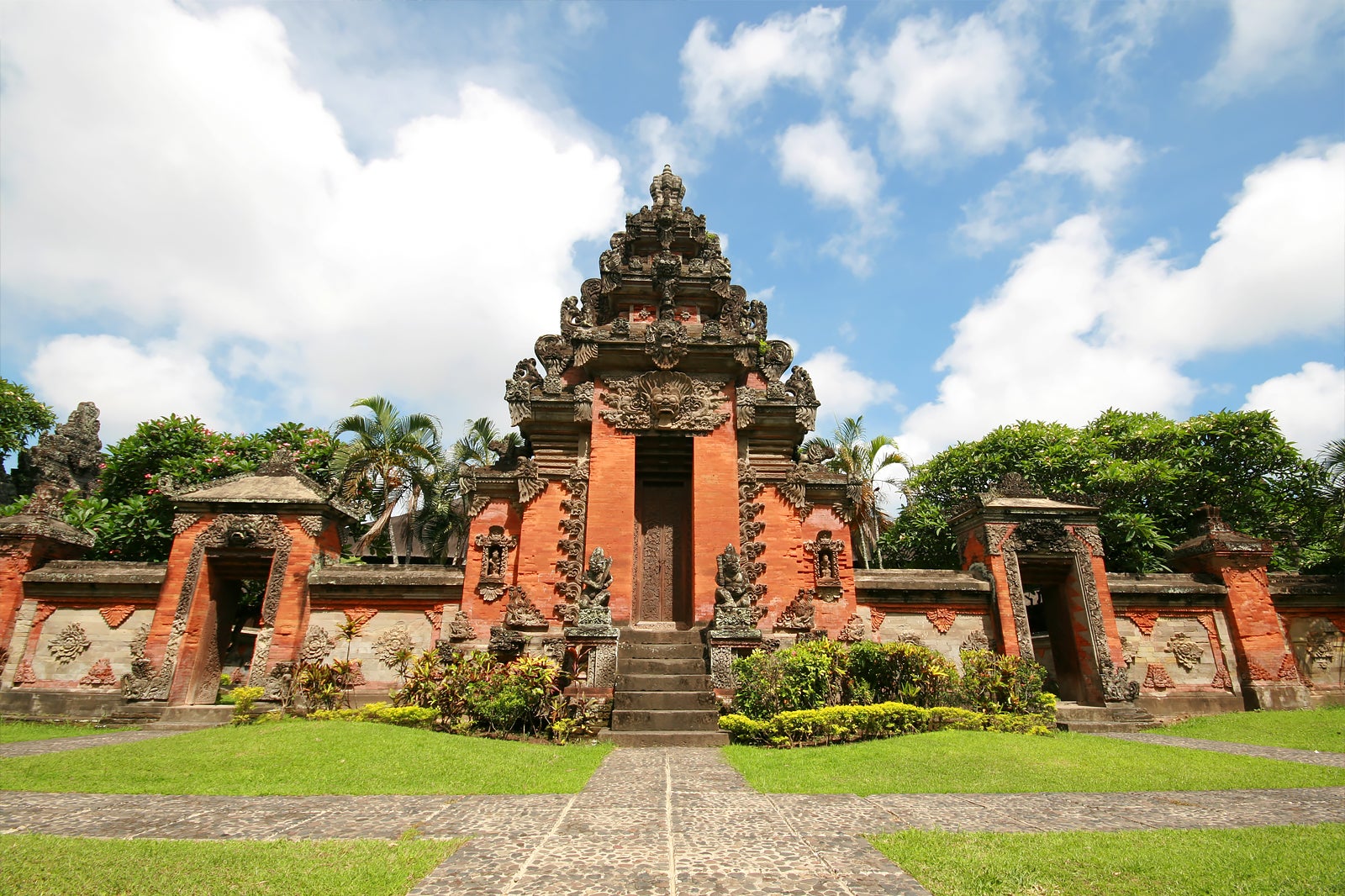
The Bali Museum was established during the Dutch colonial period, with the initial concept inspired by local Balinese rulers and scholars who recognized the need to preserve and showcase their unique cultural heritage. The museum’s construction was completed in 1932, and it officially opened to the public in 1933. The architecture of the museum reflects traditional Balinese design, featuring ornate carvings, stone structures, and expansive courtyards, creating an authentic and inviting atmosphere.

Architectural and Cultural Significance

The museum complex consists of several distinct buildings, each dedicated to different aspects of Balinese culture and history. The main buildings include Tabanan, Karangasem, Buleleng, and Timur. Each building is named after a region in Bali and showcases artifacts and exhibits specific to those areas.

The architecture of the Bali Museum is a blend of traditional Balinese and colonial styles, designed by renowned architect P.J. Moojen and local artisans. The intricate stone carvings, traditional Balinese gates, and beautifully landscaped gardens enhance the cultural ambiance of the museum, making it a visual delight for visitors.

Exhibits and Collections

The Bali Museum houses an extensive collection of artifacts that span centuries of Balinese history. The exhibits are thoughtfully organized to provide visitors with a chronological journey through the island’s past.

  1. Prehistoric Gallery: This section showcases artifacts from Bali’s prehistoric era, including stone tools, pottery, and ancient relics. These exhibits offer insights into the early human settlements on the island.
  2. Archaeological Finds: Displays in this section include items from Bali’s early Hindu and Buddhist periods, such as bronze statues, ancient manuscripts, and ceremonial objects. These artifacts highlight the island’s early cultural and religious influences.
  3. Ethnographic Collection: This gallery features traditional Balinese textiles, costumes, masks, and musical instruments. It provides a comprehensive view of Balinese daily life, rituals, and artistic expressions.
  4. Art and Craft: The museum also showcases a wide range of Balinese art, including paintings, wood carvings, and traditional sculptures. These exhibits demonstrate the island’s rich artistic traditions and the skill of Balinese craftsmen.

Educational and Cultural Programs

In addition to its permanent exhibits, Bali Museum hosts a variety of educational programs, workshops, and cultural events. These activities aim to promote a deeper understanding of Balinese culture and heritage among both locals and tourists. Traditional dance performances, craft workshops, and lectures by cultural experts are regularly organized, providing an interactive and engaging experience for visitors.

Visitor Experience

The Bali Museum offers a serene and informative environment where visitors can immerse themselves in the island’s cultural heritage. The museum’s beautifully maintained gardens and courtyards provide a peaceful setting for reflection and relaxation. Informative signage and guided tours enhance the visitor experience, offering detailed explanations of the exhibits and their historical context.

Conclusion

Bali Museum is a treasure trove of cultural and historical artifacts that provides a comprehensive insight into the island’s rich heritage. Whether you are a history enthusiast, an art lover, or simply curious about Balinese culture, a visit to the Bali Museum promises an enriching and educational experience. By preserving and showcasing Bali’s unique traditions and history, the museum plays a crucial role in maintaining the cultural identity of the island and sharing it with the world.