
Good Guide

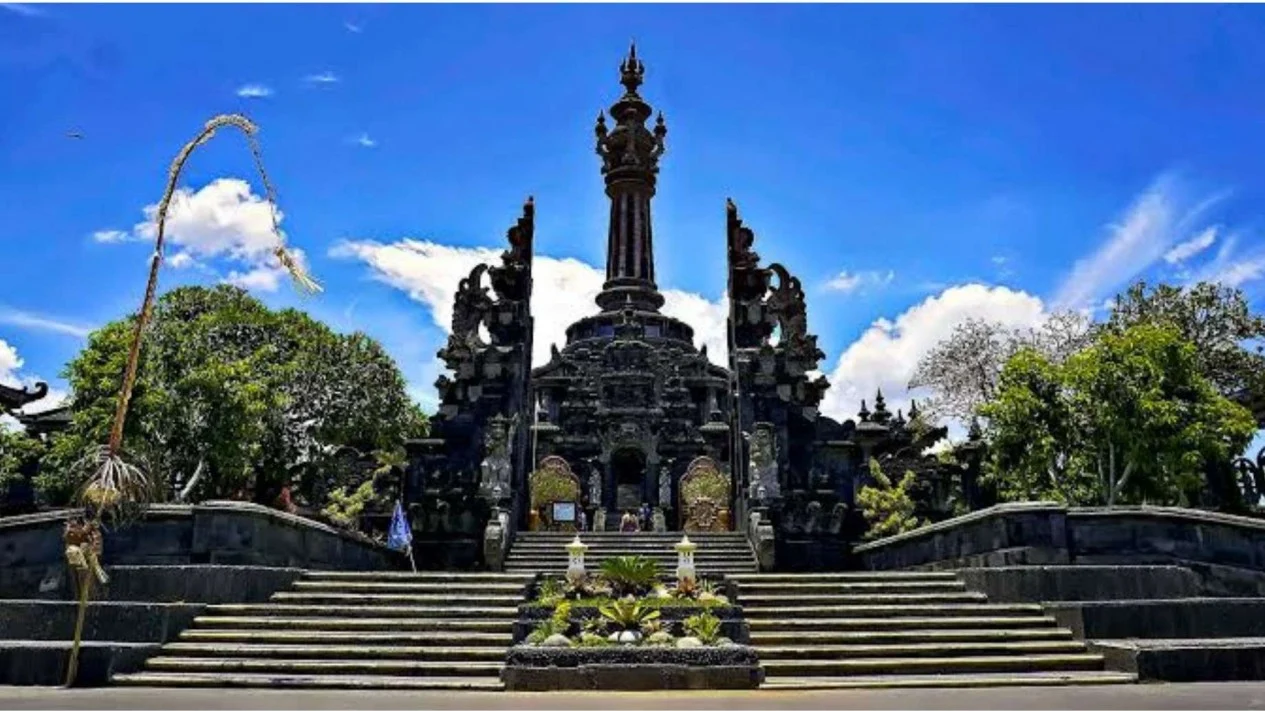
Bajra Sandhi Monument

Bajra Sandhi Monument

Bajra Sandhi Monument: Commemorating Bali’s Struggle for Independence

Introduction

The Bajra Sandhi Monument stands as a symbol of Bali’s resilience and struggle for independence. Located in Renon, Denpasar, Bali, this majestic monument is a testament to the island’s rich history and cultural heritage. It serves as a memorial to honor the sacrifices made by the Balinese people during their fight against colonial rule and as a beacon of national unity and pride.

Historical Context

The Bajra Sandhi Monument was built to commemorate the struggles of the Balinese people throughout history, particularly their resistance against Dutch colonialism and their fight for independence. The monument’s name, “Bajra Sandhi,” translates to “Bell of Victory,” symbolizing the Balinese victory in their quest for independence.

Architectural Significance

Designed by renowned Balinese architect Ida Bagus Gede Yadnya, the monument’s architecture is deeply rooted in Balinese Hindu symbolism. The monument is divided into three parts symbolizing the three stages of life according to Hindu philosophy: the base represents the earthly realm, the middle section represents human life, and the upper part, crowned by a towering lotus blossom structure, represents spiritual enlightenment.

The monument’s exterior features intricate carvings and reliefs that depict scenes from Bali’s history, including significant battles, cultural ceremonies, and the struggle for independence. The design incorporates traditional Balinese architectural elements, such as majestic gates (candi bentar) and ornate stone carvings, reflecting the island’s rich cultural heritage.

Cultural Significance

Bajra Sandhi Monument is not only a historical landmark but also a cultural center that celebrates Bali’s identity and heritage. It houses a museum that showcases artifacts, photographs, and documents related to Bali’s history, from ancient times to the present day. Visitors can learn about Bali’s cultural evolution, traditional customs, and the heroic deeds of its people through interactive exhibits and displays.

Commemorative Events and Activities

The monument serves as a venue for various cultural and commemorative events throughout the year. On significant dates such as Indonesia’s Independence Day (August 17th) and Bali’s Independence Day (December 1st), ceremonies and cultural performances are held to honor the sacrifices of Bali’s heroes and to celebrate the island’s cultural diversity.

Educational Destination

Bajra Sandhi Monument is a popular educational destination for students and tourists alike. Guided tours and educational programs are available to provide deeper insights into Bali’s history and cultural heritage. The monument’s serene surroundings and panoramic views of Denpasar City also make it a favorite spot for photography and leisurely walks.

Conclusion

The Bajra Sandhi Monument stands as a powerful symbol of Bali’s struggle for independence and its cultural resilience. Through its striking architecture, educational exhibits, and commemorative events, the monument preserves and promotes Bali’s rich history and cultural identity. It serves as a reminder of the sacrifices made by the Balinese people and inspires future generations to cherish and uphold their heritage. Visiting the Bajra Sandhi Monument offers a profound experience that combines history, culture, and national pride, making it a must-see attraction for anyone exploring the vibrant island of Bali.
Bali Museum

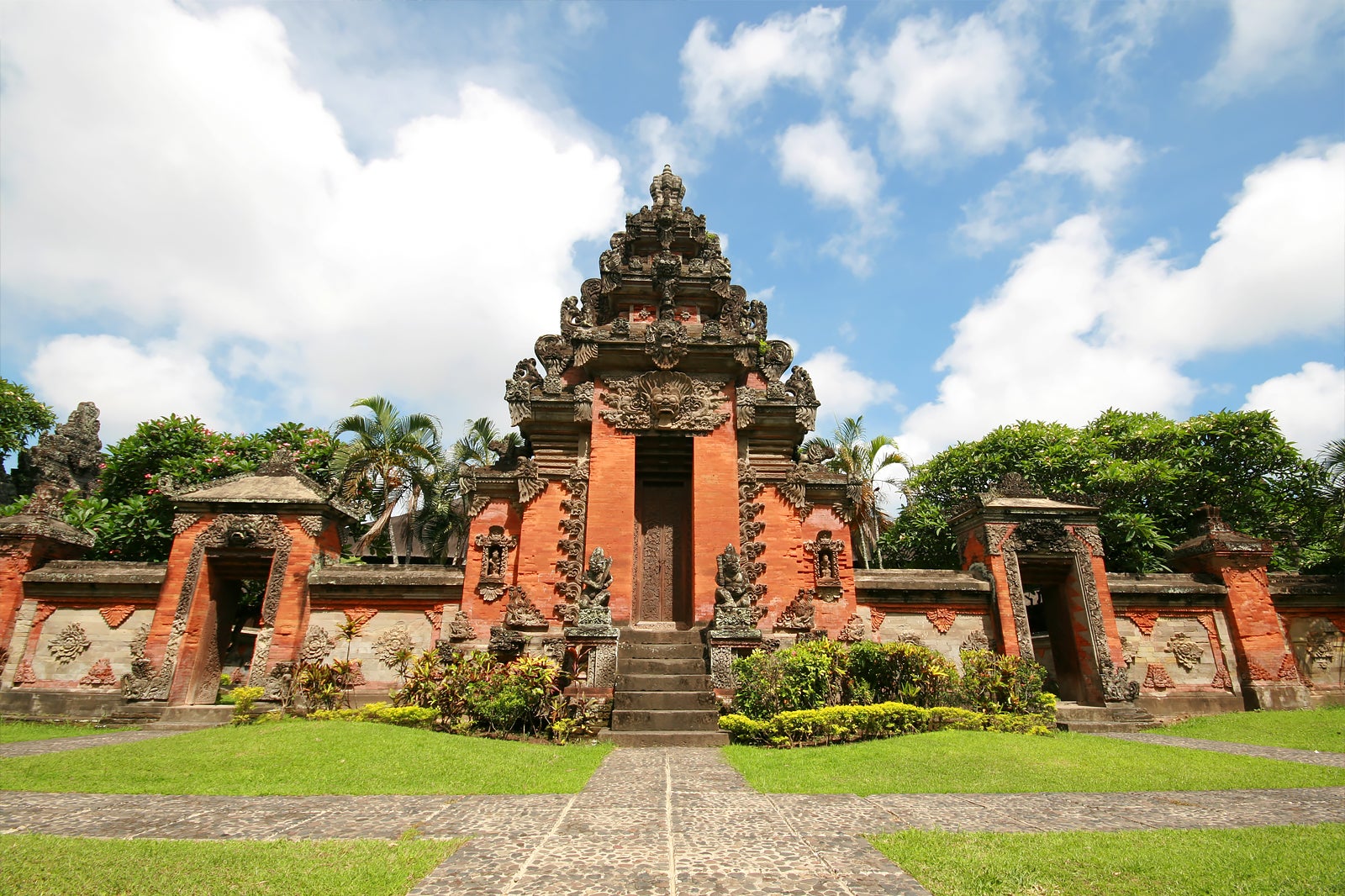
Bali Museum

Bali Museum: A Gateway to the Island’s Rich Cultural Heritage

Introduction

Bali Museum, also known as Museum Negeri Propinsi Bali, is a cultural and historical landmark located in the heart of Denpasar, Bali’s capital city. Established in 1932, the museum offers a comprehensive overview of Bali’s vibrant history, art, and culture. It is a must-visit destination for those interested in exploring the island’s rich heritage and understanding the traditions that shape Balinese society.

Historical Background

The Bali Museum was established during the Dutch colonial period, with the initial concept inspired by local Balinese rulers and scholars who recognized the need to preserve and showcase their unique cultural heritage. The museum’s construction was completed in 1932, and it officially opened to the public in 1933. The architecture of the museum reflects traditional Balinese design, featuring ornate carvings, stone structures, and expansive courtyards, creating an authentic and inviting atmosphere.

Architectural and Cultural Significance

The museum complex consists of several distinct buildings, each dedicated to different aspects of Balinese culture and history. The main buildings include Tabanan, Karangasem, Buleleng, and Timur. Each building is named after a region in Bali and showcases artifacts and exhibits specific to those areas.

The architecture of the Bali Museum is a blend of traditional Balinese and colonial styles, designed by renowned architect P.J. Moojen and local artisans. The intricate stone carvings, traditional Balinese gates, and beautifully landscaped gardens enhance the cultural ambiance of the museum, making it a visual delight for visitors.

Exhibits and Collections

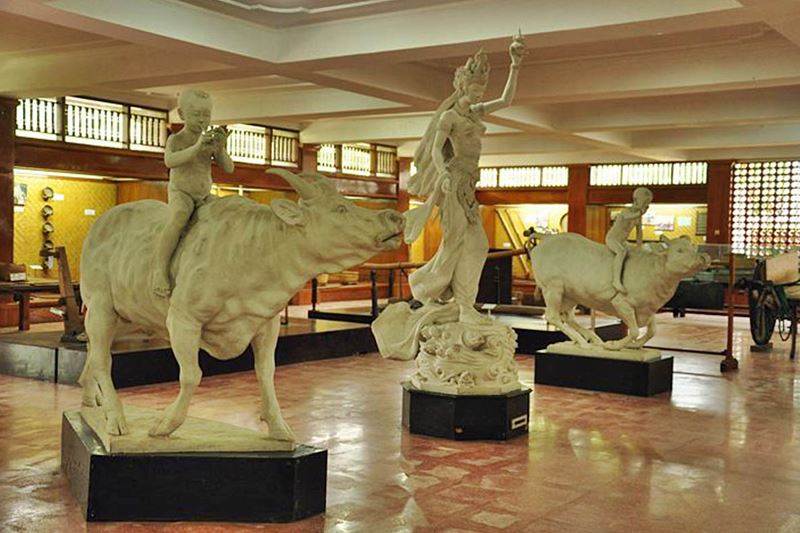
The Bali Museum houses an extensive collection of artifacts that span centuries of Balinese history. The exhibits are thoughtfully organized to provide visitors with a chronological journey through the island’s past.

  1. Prehistoric Gallery: This section showcases artifacts from Bali’s prehistoric era, including stone tools, pottery, and ancient relics. These exhibits offer insights into the early human settlements on the island.
  2. Archaeological Finds: Displays in this section include items from Bali’s early Hindu and Buddhist periods, such as bronze statues, ancient manuscripts, and ceremonial objects. These artifacts highlight the island’s early cultural and religious influences.
  3. Ethnographic Collection: This gallery features traditional Balinese textiles, costumes, masks, and musical instruments. It provides a comprehensive view of Balinese daily life, rituals, and artistic expressions.
  4. Art and Craft: The museum also showcases a wide range of Balinese art, including paintings, wood carvings, and traditional sculptures. These exhibits demonstrate the island’s rich artistic traditions and the skill of Balinese craftsmen.

Educational and Cultural Programs

In addition to its permanent exhibits, Bali Museum hosts a variety of educational programs, workshops, and cultural events. These activities aim to promote a deeper understanding of Balinese culture and heritage among both locals and tourists. Traditional dance performances, craft workshops, and lectures by cultural experts are regularly organized, providing an interactive and engaging experience for visitors.

Visitor Experience

The Bali Museum offers a serene and informative environment where visitors can immerse themselves in the island’s cultural heritage. The museum’s beautifully maintained gardens and courtyards provide a peaceful setting for reflection and relaxation. Informative signage and guided tours enhance the visitor experience, offering detailed explanations of the exhibits and their historical context.

Conclusion

Bali Museum is a treasure trove of cultural and historical artifacts that provides a comprehensive insight into the island’s rich heritage. Whether you are a history enthusiast, an art lover, or simply curious about Balinese culture, a visit to the Bali Museum promises an enriching and educational experience. By preserving and showcasing Bali’s unique traditions and history, the museum plays a crucial role in maintaining the cultural identity of the island and sharing it with the world.

Subak Museum

Subak Museum

Subak Museum: Preserving Bali’s Agricultural Heritage

Introduction

Located in the town of Tabanan, the Subak Museum is a unique cultural institution dedicated to preserving and showcasing Bali’s traditional irrigation system known as Subak. This museum offers visitors an in-depth look at the intricate and sustainable agricultural practices that have supported Balinese rice farming for centuries. The Subak system is a testament to the island’s rich cultural heritage and communal values.

Historical and Cultural Significance

The Subak system is an ancient irrigation method that dates back to the 9th century. It is a cooperative water management system used to irrigate rice fields, ensuring fair and efficient distribution of water. The system is intricately linked to Balinese Hinduism, emphasizing the concept of Tri Hita Karana, which promotes harmony among people, nature, and the spiritual realm. Recognized by UNESCO as a World Heritage Site in 2012, the Subak system is celebrated for its contribution to sustainable agriculture and its role in fostering community spirit.

Exhibits and Collections

The Subak Museum features a variety of exhibits that provide insights into the history, technology, and cultural significance of the Subak system. The museum’s collections include traditional tools and equipment used in rice farming, such as plows, sickles, and waterwheels. These artifacts illustrate the evolution of agricultural practices in Bali and highlight the ingenuity of local farmers.

One of the key exhibits is a detailed model of a Subak irrigation system, demonstrating how water is channeled from natural springs and rivers through a network of canals and weirs to reach the rice terraces. This model helps visitors understand the complexity and efficiency of the system.

The museum also houses dioramas and photographs that depict various stages of rice cultivation, from planting to harvesting. These visual aids, along with informative panels, provide a comprehensive overview of the entire agricultural process and the communal labor involved.

Educational Programs and Activities

The Subak Museum offers educational programs and workshops aimed at promoting awareness of traditional agricultural practices and environmental sustainability. Visitors can participate in hands-on activities such as traditional rice planting and harvesting, providing a deeper appreciation of the labor and skill required in rice farming.

Guided tours are available, offering detailed explanations of the exhibits and the historical context of the Subak system. These tours are led by knowledgeable guides who share fascinating stories and insights about Balinese culture and agriculture.

Importance of Preservation

The Subak Museum plays a crucial role in preserving Bali’s agricultural heritage, particularly as modern development poses challenges to traditional practices. By educating both locals and tourists about the Subak system, the museum helps to ensure the continued appreciation and protection of this vital cultural legacy.

Conclusion

The Subak Museum is a valuable cultural institution that provides an in-depth look at one of Bali’s most significant contributions to sustainable agriculture. Through its exhibits, educational programs, and hands-on activities, the museum offers a comprehensive and engaging experience that highlights the ingenuity, tradition, and communal spirit of Balinese rice farming. A visit to the Subak Museum not only enriches one’s understanding of Bali’s cultural heritage but also underscores the importance of preserving traditional practices in the face of modern challenges.