Good Guide

Krisna Souvenir

Krisna Souvenir

Krisna Souvenir: One Stop Shopping Bali Souvenir

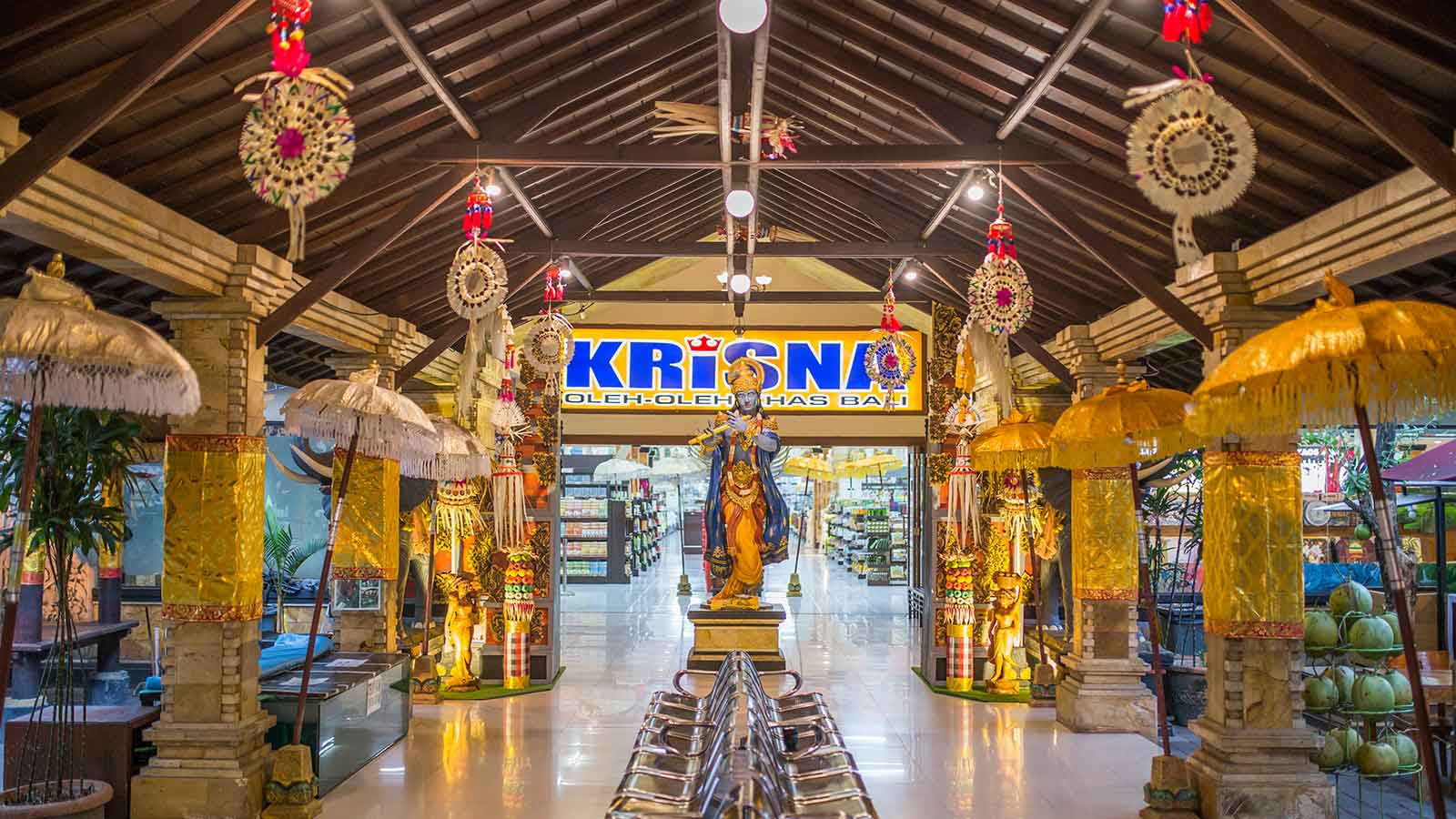
Krisna, often referred to as Krisna Bali or Krisna Oleh-Oleh, is a prominent chain of souvenir shops in Bali, Indonesia, renowned for offering a wide array of local products, handicrafts, and gifts. Established with the aim of providing tourists and visitors with a comprehensive selection of authentic Balinese souvenirs under one roof, Krisna has become synonymous with quality, variety, and convenience in souvenir shopping on the island.

History and Establishment

Founded in the early 2000s, Krisna was established to cater to the burgeoning tourism industry in Bali. The first Krisna store opened its doors in Kuta, strategically located near the island’s busiest tourist areas. Since then, the brand has expanded significantly, with multiple outlets across Bali, including in popular destinations like Ubud, Denpasar, and Seminyak. This strategic expansion has allowed Krisna to reach a broader audience and cater to the diverse tastes of both local and international shoppers.

Product Range

Krisna is celebrated for its extensive range of products, which encompass traditional Balinese handicrafts, art pieces, textiles, clothing, accessories, home décor items, and culinary delights. Visitors to Krisna stores can find everything from intricately carved wooden masks and statues to handwoven textiles, batik clothing, silver jewelry, and aromatic Balinese coffee and spices. The stores are designed to provide a shopping experience that reflects Bali’s rich cultural heritage and craftsmanship, making it a favorite destination for souvenir shopping.

Shopping Experience

The ambiance of Krisna stores is designed to be inviting and conducive to leisurely browsing. The spacious interiors are neatly organized into sections, each dedicated to different categories of products. Visitors can explore aisles lined with colorful sarongs, shelves displaying unique handicrafts, and racks showcasing traditional Balinese outfits. The layout ensures that shoppers can easily navigate through the store and find items that appeal to their preferences and interests.

Quality Assurance

One of Krisna’s distinguishing features is its commitment to quality and authenticity. The stores collaborate directly with local artisans and craftsmen, ensuring that the products sold are genuine and crafted with meticulous attention to detail. This direct sourcing also supports local communities and promotes sustainable tourism practices by empowering Balinese artisans and preserving traditional craftsmanship.

Cultural Engagement and Community Support

Beyond its role as a retail outlet, Krisna actively engages in promoting Balinese culture and supporting local communities. The stores occasionally host cultural performances, demonstrations by artisans, and workshops where visitors can learn about traditional Balinese crafts such as woodcarving, batik making, and silver crafting. These initiatives not only enrich the shopping experience but also contribute to cultural preservation and awareness among visitors.

Conclusion

Krisna has emerged as a cornerstone of Bali’s souvenir shopping landscape, offering a blend of convenience, authenticity, and cultural immersion. Whether you’re looking to bring home a piece of Balinese artistry, a unique handicraft, or a taste of local flavors, Krisna provides a comprehensive shopping experience that celebrates the island’s vibrant cultural heritage. With its dedication to quality, variety, and community support, Krisna continues to be a favored destination for both tourists seeking mementos of their Bali experience and locals seeking authentic Balinese goods.

Coffee Tour & Classes

Coffee Tour & Classes

The Kintamani Coffee Tour & Classes: Enjoy The Garden

The Kintamani Coffee Tour & Classes offer a delightful journey into Bali’s rich coffee culture, centered around the picturesque region of Kintamani. Known for its volcanic soil and ideal climate, Kintamani provides the perfect conditions for growing high-quality coffee beans, making it a prime destination for coffee enthusiasts and curious travelers alike.

Coffee Plantations and Growing Process

The tour typically begins with a visit to local coffee plantations nestled in the foothills of Mount Batur. Here, visitors can witness firsthand the cultivation process of Arabica and Robusta coffee beans. Guides explain the intricacies of coffee farming, from planting and harvesting to processing and roasting. The volcanic soil of Kintamani contributes to the beans’ unique flavor profile, characterized by rich, earthy tones and a smooth finish.

Coffee Tasting Experience

One of the highlights of the Kintamani Coffee Tour is the opportunity to indulge in coffee tasting sessions. Participants sample freshly brewed cups of Kintamani coffee, often served alongside traditional Balinese snacks. The tasting sessions allow visitors to discern the nuances in aroma, flavor, and body among different coffee varieties, gaining a deeper appreciation for Bali’s diverse coffee offerings.

Coffee Processing Demonstrations

In addition to tasting, many tours include demonstrations of traditional coffee processing techniques. Guides demonstrate how coffee cherries are pulped, fermented, dried, and roasted using age-old methods that have been passed down through generations. Participants may have the chance to engage in hands-on activities, such as roasting their own beans or grinding coffee using traditional tools, further enriching their understanding of the coffee-making process.

Cultural Insights and Local Wisdom

Beyond coffee production, the Kintamani Coffee Tour provides insights into Balinese culture and the significance of coffee in daily life. Guides share stories about the cultural rituals surrounding coffee consumption, its role in Balinese ceremonies, and the importance of coffee in local hospitality. Visitors gain a deeper understanding of how coffee connects communities and shapes cultural traditions in Bali.

Sustainability and Eco-Tourism

Many coffee plantations in Kintamani prioritize sustainable farming practices and eco-tourism initiatives. Tour operators highlight the importance of environmental conservation, biodiversity preservation, and supporting local communities. By participating in the Kintamani Coffee Tour, travelers contribute to these efforts while enjoying an authentic and responsible tourism experience.

Hands-On Coffee Classes

For those interested in delving deeper into the world of coffee, some tours offer hands-on coffee classes led by expert baristas or local farmers. Participants learn professional brewing techniques, including pour-over methods, espresso preparation, and latte art. These classes provide valuable skills and insights that participants can take home and apply to their own coffee brewing practices.

Conclusion

The Kintamani Coffee Tour & Classes offer a comprehensive and immersive experience for coffee enthusiasts and travelers seeking to explore Bali’s coffee culture. From visiting lush plantations and tasting freshly brewed coffee to learning about traditional processing methods and cultural significance, participants embark on a flavorful journey that celebrates Bali’s rich coffee heritage. Whether savoring a cup of Kintamani coffee amidst stunning volcanic landscapes or mastering the art of coffee brewing, the tour promises a memorable and enlightening experience in the heart of Bali’s coffee country.

Batur Mountain in Kintamani

Batur Mountain in Kintamani

Batur Mountain in Kintamani: Bali’s Majestic Volcanic Landscape

Introduction

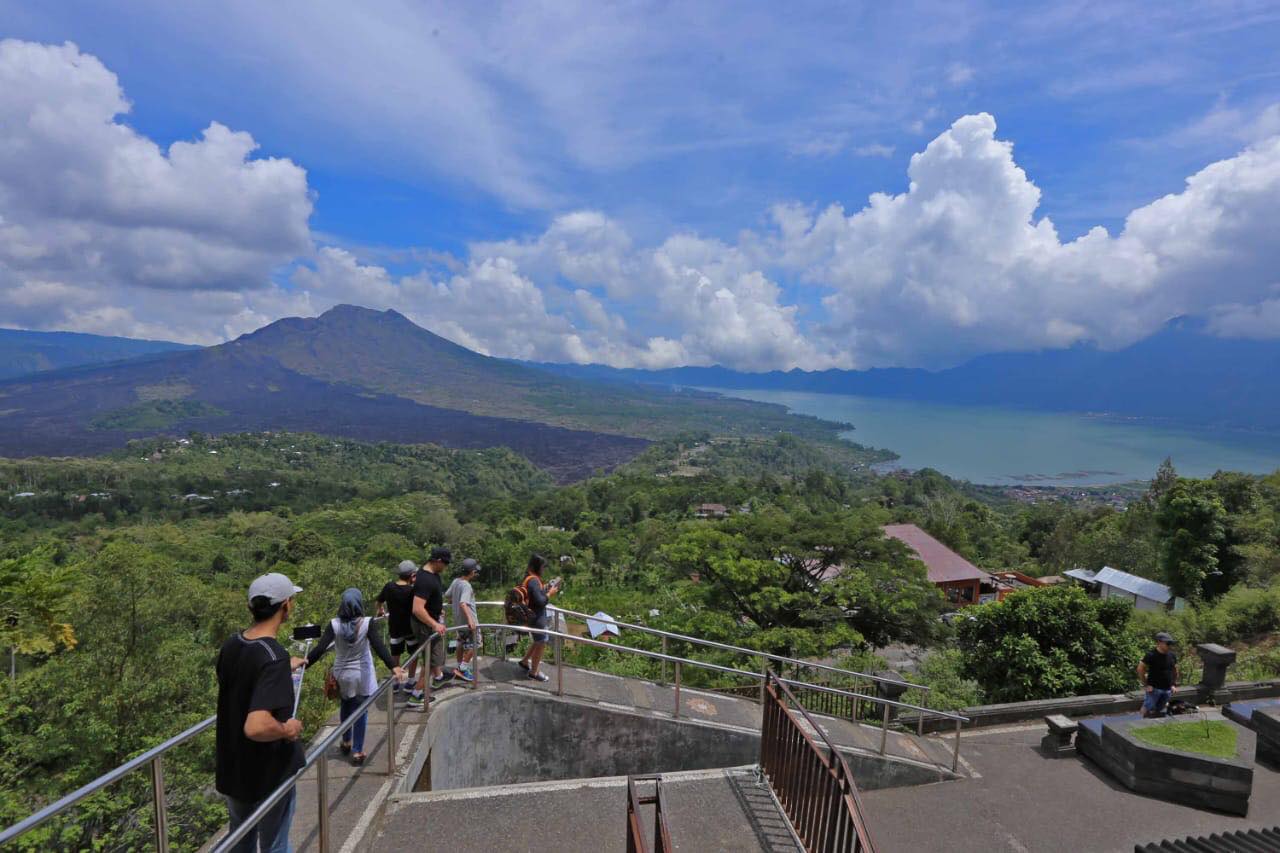
Batur Mountain, located in the Kintamani region of Bali, is an active volcano renowned for its dramatic landscapes, panoramic views, and cultural significance. Rising 1,717 meters (5,633 feet) above sea level, Batur Mountain and its surrounding caldera offer visitors a breathtaking glimpse into Bali’s volcanic heritage and natural beauty.

Geological and Cultural History

The Batur caldera, formed by a massive volcanic eruption thousands of years ago, is one of Bali’s most prominent geological features. Within this caldera lies Lake Batur, the largest lake in Bali, which adds to the area’s scenic allure. The volcanic activity in the region has shaped the landscape and provided fertile soil for agriculture, making Kintamani a hub for coffee plantations, fruit orchards, and terraced rice fields.

Scenic Beauty and Views

Batur Mountain offers spectacular panoramic views of its volcanic caldera and Lake Batur from various vantage points. The sight of the expansive lake surrounded by lush greenery against the backdrop of the towering volcano is a sight to behold, especially during sunrise or sunset when the landscape is bathed in golden hues.

Visitors often trek to the summit of Batur Mountain to witness these breathtaking vistas. The trek, which usually starts in the early morning, is rewarded with awe-inspiring views of the sunrise over the caldera and the distant peaks of Mount Agung and Mount Rinjani on neighboring islands. The trekking experience is popular among adventure enthusiasts and nature lovers seeking to explore Bali’s natural wonders firsthand.

Cultural Significance and Temples

The area surrounding Batur Mountain is steeped in Balinese Hindu culture and traditions. Pura Ulun Danu Batur, a prominent Hindu temple located on the edge of Lake Batur, is dedicated to Dewi Danu, the goddess of water and fertility. This temple plays a crucial role in Balinese ceremonies and rituals, particularly those related to irrigation and agricultural prosperity. Visitors can explore the temple grounds and observe the rituals performed by local devotees, gaining insights into Balinese spiritual beliefs and practices.

Activities and Experiences

In addition to trekking and exploring the volcanic landscapes, visitors to Batur Mountain can enjoy a range of activities. Boating and fishing on Lake Batur offer opportunities for relaxation and scenic views from the water. The surrounding villages, known for their traditional Balinese architecture and skilled craftsmanship, provide cultural immersion experiences where visitors can learn about local customs, art, and cuisine.

Conclusion

Batur Mountain in Kintamani is a captivating destination that combines natural beauty, cultural richness, and outdoor adventure in Bali. Whether trekking to the summit for panoramic views, exploring ancient temples, or enjoying the tranquility of Lake Batur, visitors to Batur Mountain are treated to a memorable experience that highlights Bali’s volcanic landscapes and vibrant cultural heritage. A visit to Batur Mountain promises a deep appreciation for the island’s natural wonders and spiritual significance amidst its majestic volcanic scenery.

Tirta Empul Tampaksiring

Tirta Empul Tampaksiring

Tirta Empul Temple in Tampaksiring: Bali’s Sacred Water Temple

Introduction

Tirta Empul Temple, located in the village of Tampaksiring in central Bali, is a revered Hindu water temple famous for its holy spring water and purification rituals. This ancient temple, surrounded by lush tropical greenery, holds great spiritual significance for the Balinese people and attracts visitors seeking spiritual cleansing and cultural immersion.

Historical and Cultural Significance

The history of Tirta Empul Temple dates back to the 10th century during the Warmadewa dynasty, though the current temple complex was rebuilt in 1954. The temple is dedicated to Vishnu, one of the principal deities in Hinduism, and features a large bathing pool fed by natural springs. Legend has it that the sacred spring water at Tirta Empul was created by the god Indra and possesses powerful healing properties.

Purification Rituals and Sacred Spring

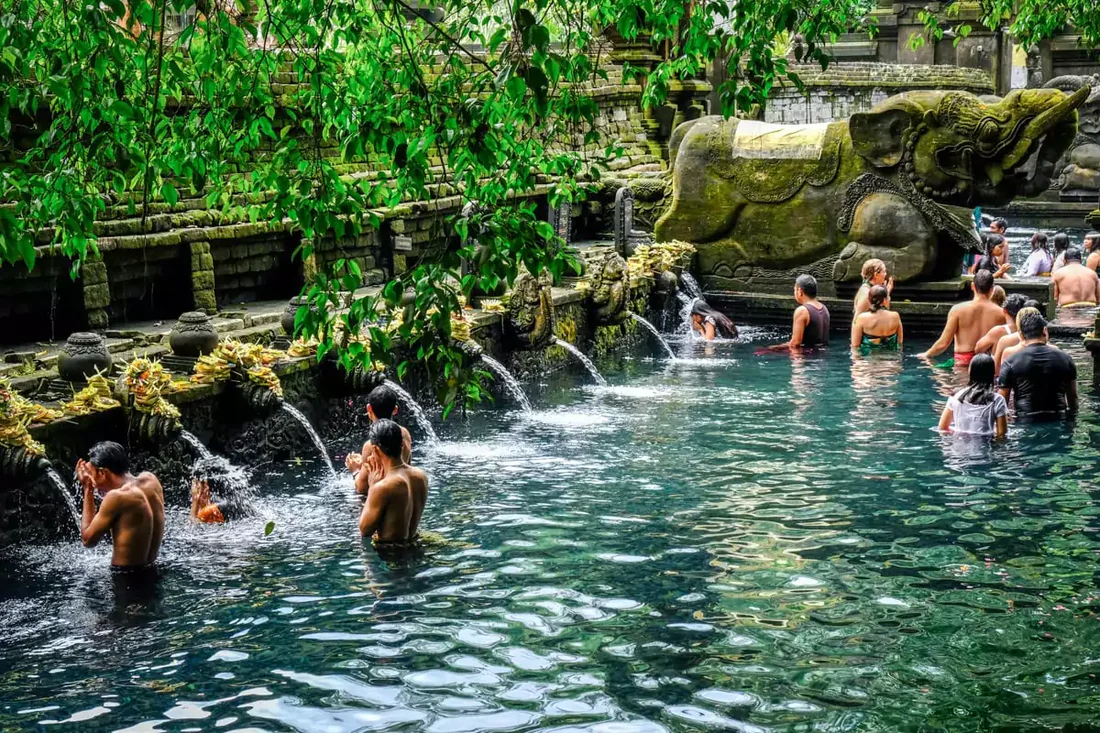
The highlight of Tirta Empul Temple is its sacred spring, which is believed to have curative properties and spiritual cleansing abilities. Pilgrims and visitors come to the temple to participate in purification rituals known as “melukat,” where they bathe in the spring water as part of a spiritual cleansing process. The purification rituals involve prayers and offerings, guided by Hindu priests, to seek blessings, health, and prosperity.

The temple complex includes a series of intricately carved shrines, pavilions, and courtyards surrounding the sacred spring. Stone sculptures and Balinese architectural elements adorn the temple, reflecting its historical and cultural importance.

Architecture and Sacred Spaces

Tirta Empul Temple is renowned for its traditional Balinese architecture and serene ambiance. The temple’s layout follows a series of courtyards and terraces leading to the main bathing pool. Visitors pass through ornate Balinese gates, known as “candi bentar,” and stone-carved structures depicting scenes from Hindu mythology.

The central bathing pool features 30 water spouts, each with its own specific ritual purpose. Devotees move from spout to spout, performing cleansing rituals and prayers, under the guidance of priests. The architectural harmony and spiritual symbolism of Tirta Empul Temple create a tranquil and sacred atmosphere for contemplation and devotion.

Cultural Experience and Tourism

Visiting Tirta Empul Temple offers a profound cultural and spiritual experience. The temple grounds are often bustling with activity during religious festivals and ceremonies, providing insights into Balinese Hindu rituals and traditions. Many visitors also come to witness or participate in the temple’s unique purification rituals, gaining a deeper understanding of Balinese spiritual practices and beliefs.

Surrounding the temple, the village of Tampaksiring offers opportunities to explore traditional Balinese culture, with local markets, art galleries, and nearby historical sites such as the presidential palace of Tampaksiring.

Conclusion

Tirta Empul Temple in Tampaksiring is more than a tourist attraction; it is a spiritual sanctuary where Balinese Hindu traditions come to life. Its sacred spring, purification rituals, and architectural beauty make it a must-visit destination for those seeking cultural immersion and spiritual rejuvenation in Bali. A visit to Tirta Empul Temple offers a profound glimpse into the island’s rich religious heritage and the enduring spiritual practices that continue to shape Balinese culture today.

Uluwatu Temple

Uluwatu Temple

Uluwatu Temple: Bali’s Cliffside Sanctuary

Introduction

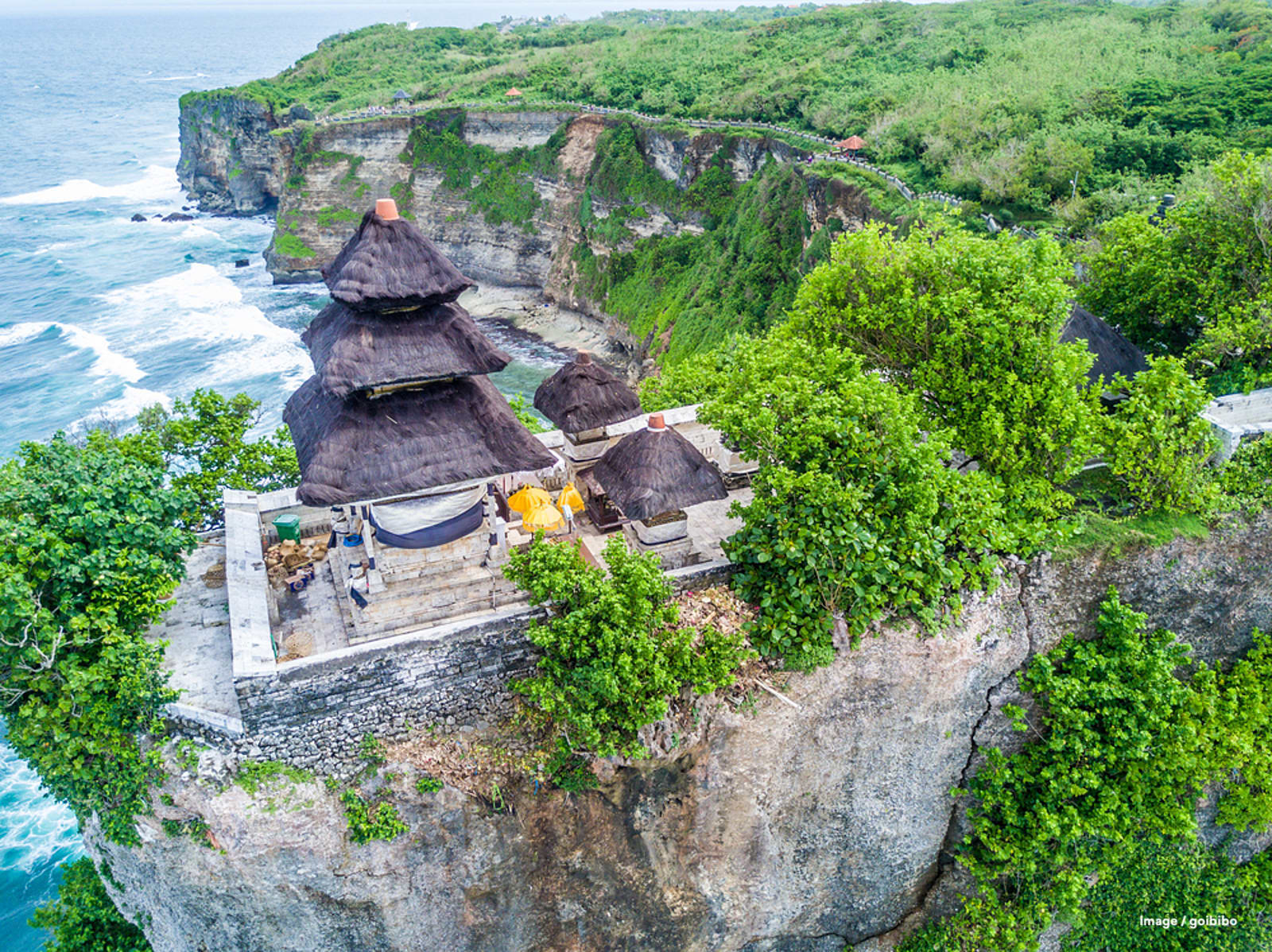
Perched majestically on a steep cliff overlooking the Indian Ocean, Uluwatu Temple (Pura Luhur Uluwatu) is one of Bali’s most iconic and spiritually significant sites. This ancient temple, dating back to the 11th century, offers visitors a breathtaking combination of cultural heritage, dramatic seascapes, and mesmerizing sunsets, making it a must-visit destination for anyone exploring the island.

Historical and Spiritual Significance

Uluwatu Temple is one of the six key temples believed to be Bali’s spiritual pillars. It is dedicated to Sang Hyang Widhi Wasa in his manifestation as Rudra, the Hindu god of storm and wind. The temple is said to protect Bali from evil sea spirits and is an essential part of Balinese spirituality and religious life.

The temple’s history is intertwined with that of the revered priest Dang Hyang Nirartha, who is credited with establishing several important temples in Bali. According to legend, Nirartha attained moksha (spiritual liberation) at Uluwatu, and his spirit is believed to dwell in the temple, adding to its sacredness.

Architectural Marvel

The architecture of Uluwatu Temple is a testament to classical Balinese design. The temple complex is built on the edge of a 70-meter-high cliff, offering stunning views of the ocean waves crashing against the rocks below. The main temple structure features traditional Balinese carvings and stonework, with intricate motifs that depict mythological scenes and deities.

The temple grounds include several smaller shrines, gateways, and courtyards, all connected by well-maintained pathways that meander through lush gardens. The entrance is guarded by stone statues of Ganesha, the elephant-headed god, symbolizing protection and wisdom.

Scenic Beauty and Wildlife

One of the main attractions of Uluwatu Temple is its spectacular location. The cliffside setting provides panoramic views of the Indian Ocean, especially during sunset, when the sky transforms into a canvas of vibrant colors. The sight of the sun dipping below the horizon, with the temple silhouetted against the glowing sky, is truly awe-inspiring.

The temple grounds are also home to a population of long-tailed macaques. These monkeys are notorious for their playful and sometimes mischievous behavior, often snatching visitors’ belongings. While they add a lively element to the visit, it’s advisable to keep a close eye on personal items.

Cultural Performances

Uluwatu Temple is renowned for its traditional Kecak dance performances, held daily at an open-air amphitheater near the temple. The Kecak dance, also known as the Ramayana Monkey Chant, involves a group of men chanting “cak” rhythmically while enacting scenes from the Ramayana epic. The performance, set against the backdrop of the setting sun and the ocean, creates a magical and unforgettable experience.

Practical Information

Visitors to Uluwatu Temple are required to wear a sarong and sash, which are provided at the entrance. Modest dress is appreciated out of respect for the sacred site. The temple can be easily reached from popular tourist areas such as Kuta and Seminyak, making it a convenient day trip.

Conclusion

Uluwatu Temple is a cultural and spiritual treasure that encapsulates the essence of Bali. Its dramatic cliffside location, rich history, and stunning architecture make it a captivating destination for travelers. Whether you are drawn by its religious significance, architectural beauty, or breathtaking views, a visit to Uluwatu Temple promises an enriching and memorable experience.

Garuda Wisnu Kencana

Garuda Wisnu Kencana

Garuda Wisnu Kencana: Bali’s Majestic Cultural Park

Introduction

Garuda Wisnu Kencana (GWK) is a cultural park and iconic landmark located in the Bukit Peninsula of Bali. Dominated by the towering statue of Vishnu riding the mythical bird Garuda, GWK is a testament to Indonesia’s rich cultural heritage and artistic prowess. The park offers visitors a blend of monumental art, cultural performances, and panoramic views, making it a must-visit destination in Bali.

The Monumental Statue

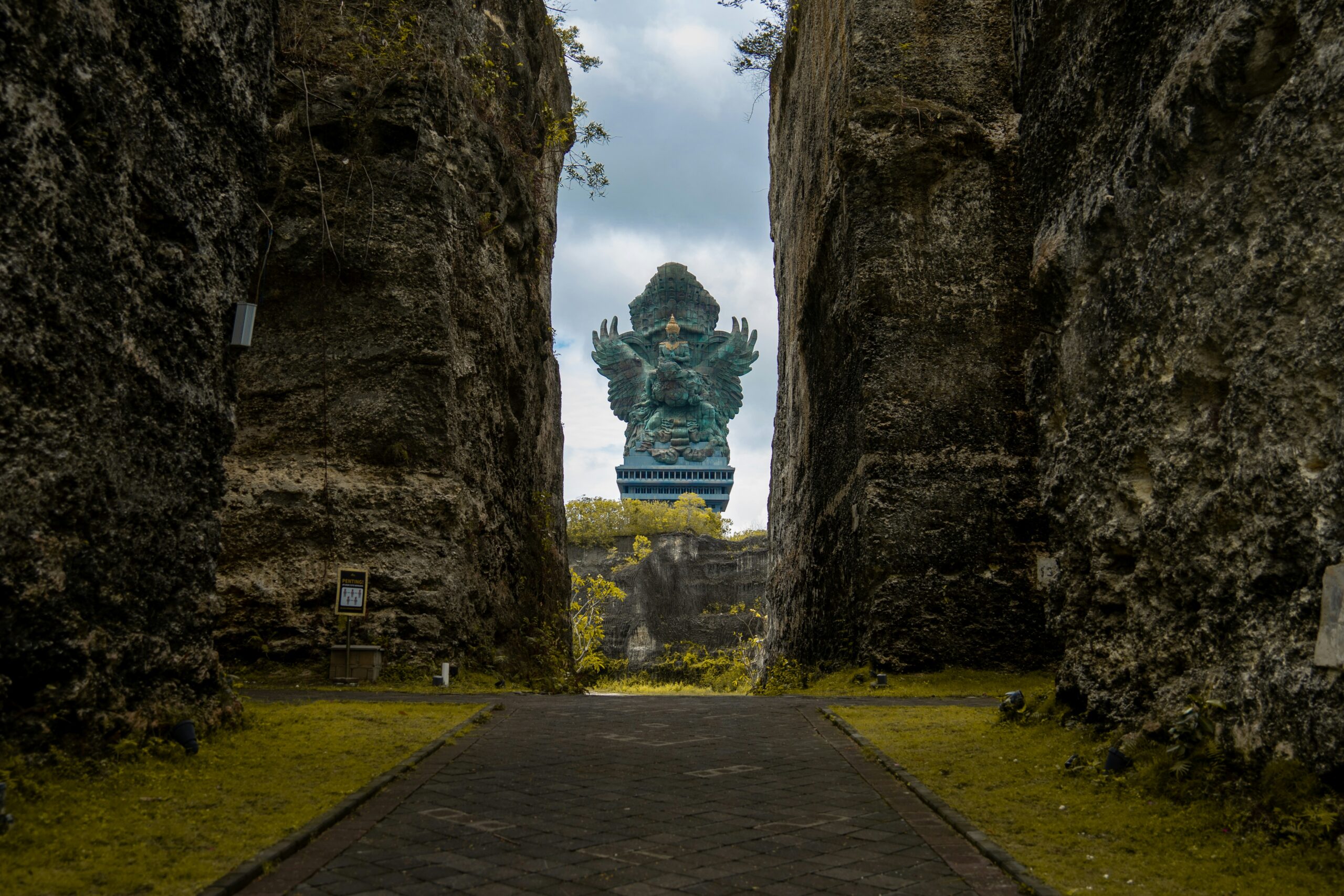
The centerpiece of GWK Cultural Park is the Garuda Wisnu Kencana statue, one of the tallest statues in the world. Standing at an impressive height of 121 meters, it depicts the Hindu god Vishnu riding on his mount, Garuda. The statue is made of copper and brass and took over two decades to complete, finally being inaugurated in 2018. It symbolizes the mission of preserving nature and the world, embodying a deep spiritual significance.

Designed by renowned Balinese sculptor Nyoman Nuarta, the statue is a marvel of contemporary engineering and traditional Balinese artistry. Visitors can marvel at the intricate details and sheer scale of the statue, which can be seen from various points across southern Bali.

Cultural Performances and Events

GWK Cultural Park is not just about the statue; it’s also a vibrant center for Balinese culture. The park hosts daily cultural performances, including traditional Balinese dance, music, and theater. These performances offer visitors a glimpse into Bali’s rich cultural traditions and are staged in various venues within the park, such as the Amphitheater and the Street Theater.

One of the highlights is the Kecak dance, a mesmerizing performance featuring rhythmic chanting and intricate choreography. The Barong dance, another popular show, narrates the eternal battle between good and evil through elaborate costumes and expressive movements.

The Cultural Park

The sprawling 60-hectare park is designed to showcase Bali’s cultural and natural heritage. Visitors can explore the Lotus Pond, the largest outdoor venue in the park, surrounded by towering limestone pillars and lush gardens. The Lotus Pond often hosts large-scale events, concerts, and festivals.

Other attractions within the park include the Indraloka Garden, which offers panoramic views of Bali, and the Tirta Agung, a serene area with a water feature that adds to the park’s tranquil ambiance. The park also features an exhibition hall where visitors can learn about the history and cultural significance of the Garuda Wisnu Kencana statue and the park itself.

Dining and Shopping

GWK Cultural Park also caters to culinary enthusiasts with a variety of dining options. Visitors can enjoy traditional Balinese cuisine and international dishes at the on-site restaurants and cafes. The park’s souvenir shops offer a range of locally made handicrafts, clothing, and artworks, providing perfect mementos of the visit.

Conclusion

Garuda Wisnu Kencana Cultural Park is a symbol of Balinese art, culture, and spirituality. With its awe-inspiring statue, rich cultural performances, and serene landscapes, GWK offers a unique and enriching experience for visitors. It is a place where history, culture, and art come together, providing a deep insight into Bali’s heritage and a spectacular view of its future. Whether you are an art lover, a cultural enthusiast, or simply seeking a memorable experience, GWK Cultural Park is a destination that should not be missed on your Bali itinerary.