Good Guide

City Park Puputan Badung

City Park Puputan Badung

City Park Puputan Badung: Denpasar’s Historical and Cultural Oasis

Introduction

City Park Puputan Badung, often referred to simply as Puputan Badung, is a significant historical and cultural landmark in Denpasar, the bustling capital city of Bali. This spacious park, located in the heart of the city, serves as a green oasis for both locals and visitors. It is a place of relaxation, recreation, and remembrance, offering a glimpse into Bali’s history and a venue for various cultural and community activities.

Historical Significance

The name “Puputan” refers to a mass ritualistic suicide by Balinese warriors and royalty, preferring death over surrender to the Dutch colonial forces. The most notable Puputan took place in 1906 in Badung, where thousands of Balinese, including the Raja of Badung and his followers, fought to their death against the invading Dutch troops. The park is named in their honor, commemorating their bravery and sacrifice.

Monuments and Memorials

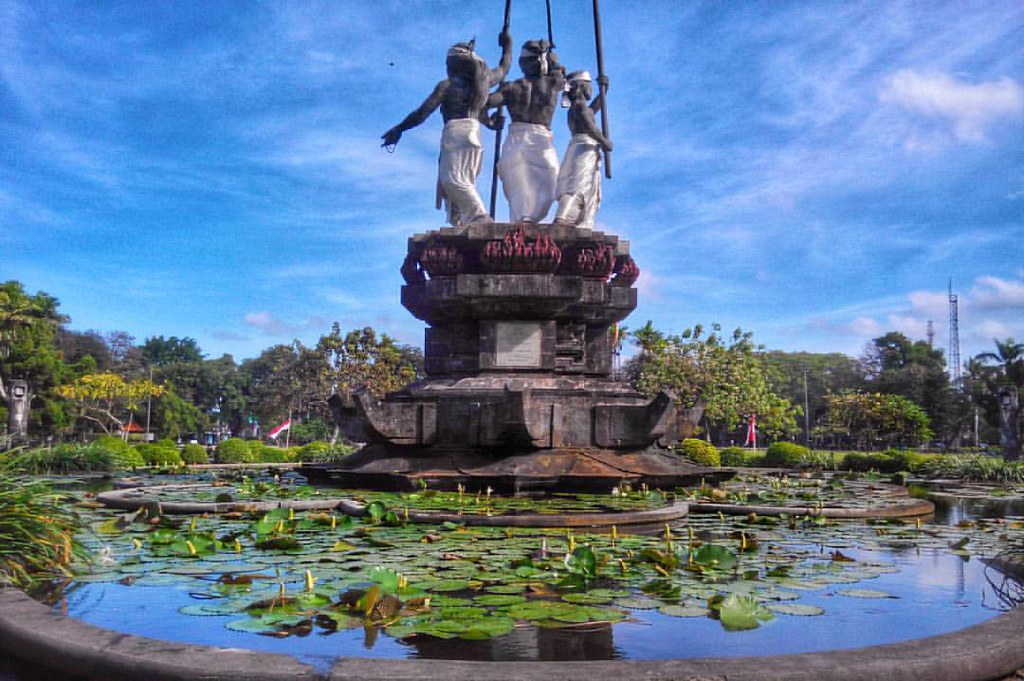
Central to the park is the Puputan Badung Monument, a striking statue that symbolizes the heroism and resistance of the Balinese people during the colonial period. The monument features a depiction of a Balinese king and his followers armed with traditional weapons, ready to fight to the death. This statue is a poignant reminder of the island’s turbulent history and the enduring spirit of its people.

Another notable feature is the statue of Catur Muka, located at the east end of the park. This four-faced statue represents the Hindu god Brahma, symbolizing protection and vigilance. It is a significant landmark in Denpasar and adds a spiritual dimension to the park’s atmosphere.

Recreational and Cultural Hub

Puputan Badung Park is a popular spot for recreational activities. Its expansive lawns, shaded by large trees, provide a perfect setting for picnics, jogging, and leisurely strolls. The park is equipped with well-maintained pathways, benches, and playgrounds, making it a family-friendly destination.

The park also serves as a venue for cultural and community events. Traditional dance performances, music concerts, and local festivals are regularly held here, showcasing Bali’s rich cultural heritage. The park’s open spaces and amphitheater provide an ideal setting for these events, attracting both locals and tourists.

A Green Escape in the City

In the midst of Denpasar’s urban hustle, Puputan Badung Park offers a peaceful retreat where visitors can unwind and connect with nature. The well-manicured gardens, vibrant flowerbeds, and serene water features create a tranquil environment, making it a favorite spot for relaxation and meditation. The park’s strategic location near important landmarks like the Bali Museum and the Jagatnatha Temple adds to its appeal as a central point for exploring Denpasar.

Community and Social Space

The park is a vibrant social space where people from all walks of life come together. It is common to see groups of locals practicing yoga, students engaging in study groups, and friends enjoying casual gatherings. Street vendors selling traditional snacks and refreshments add to the lively atmosphere, providing a taste of local flavors.

Conclusion

City Park Puputan Badung is more than just a green space in Denpasar; it is a historical and cultural symbol of Bali’s resilience and spirit. The park’s combination of historical monuments, recreational facilities, and cultural activities makes it a must-visit destination for anyone exploring Denpasar. Whether you are seeking to learn about Bali’s history, enjoy a cultural performance, or simply relax in a beautiful setting, Puputan Badung Park offers a diverse and enriching experience.
Ujung Water Palace Karangasem

Ujung Water Palace Karangasem

Ujung Water Palace: Karangasem’s Majestic Oasis

Introduction

Ujung Water Palace, also known as Taman Soekasada Ujung, is a stunning historical landmark located in Karangasem Regency, East Bali. This water palace is renowned for its beautiful architecture, serene water features, and panoramic views of the surrounding landscapes. Built in the early 20th century by the King of Karangasem, Ujung Water Palace serves as a testament to the grandeur and sophistication of Bali’s royal heritage.

Historical and Architectural Significance

The construction of Ujung Water Palace began in 1909 under the reign of King Gusti Bagus Jelantik, also known as Anak Agung Anglurah Ketut Karangasem. The palace was initially conceived as a place of relaxation and entertainment for the royal family and their guests. The design of the palace reflects a blend of Balinese, Dutch, and Chinese architectural styles, showcasing the island’s cultural diversity and the king’s cosmopolitan vision.

Ujung Water Palace was significantly damaged by the eruption of Mount Agung in 1963 and a subsequent earthquake in 1976. However, it has since been restored to its former glory, retaining its historical charm and elegance.

Layout and Features

The palace complex spans over 10 hectares and is divided into three main sections: the lower, middle, and upper levels. Each level is connected by a series of elegant staircases and pathways, adorned with statues and ornamental plants.

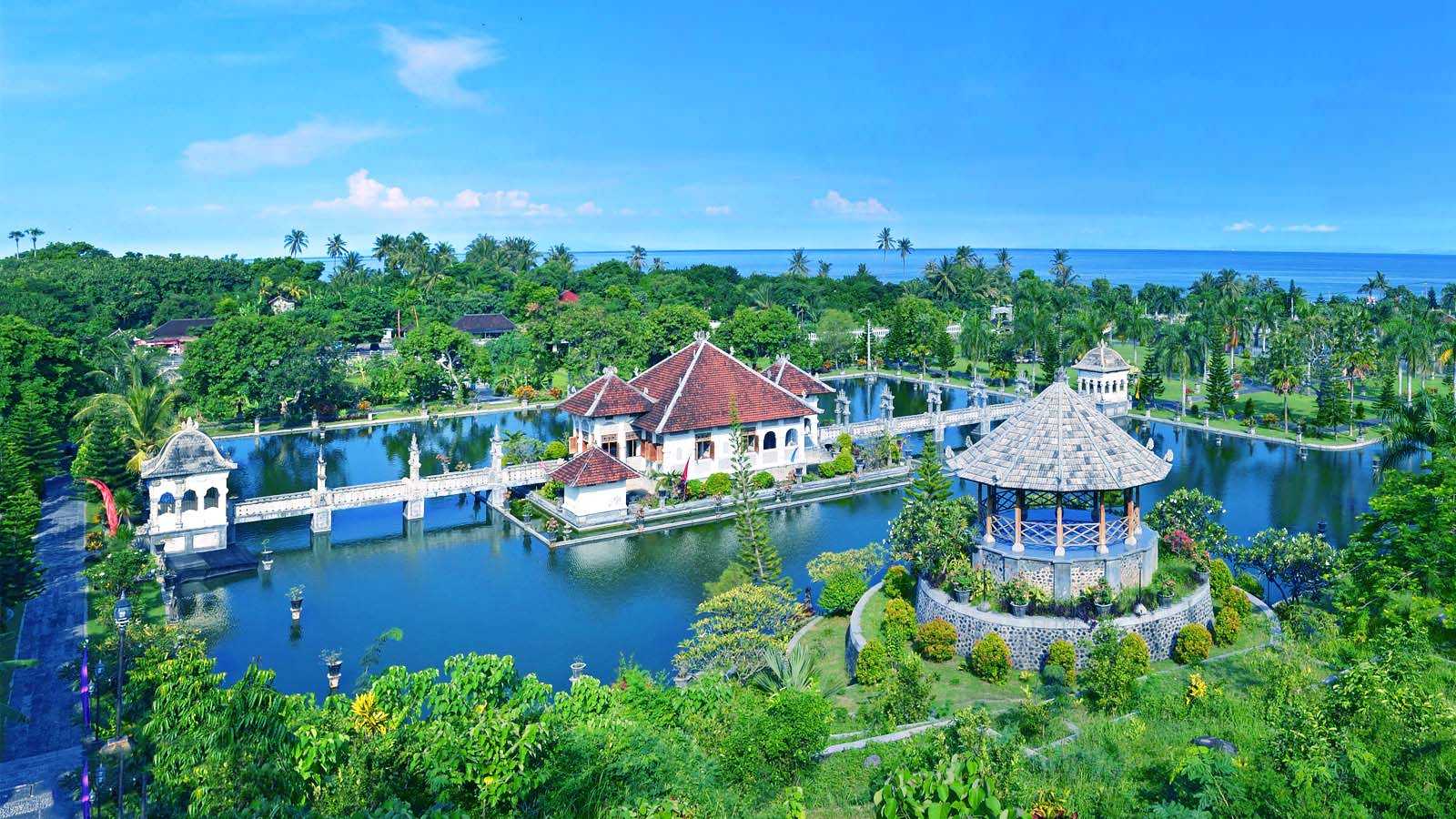
The lower level features expansive ponds and gardens, creating a tranquil and picturesque setting. The main pond, known as the “Bale Kambang,” is a large rectangular pool with a beautiful floating pavilion in the center. This pavilion, accessible via a stone bridge, was used by the royal family for relaxation and meditation.

The middle level houses the main building, “Bale Gili,” which is a grand structure situated in the middle of another large pool. This building served as a gathering place for the royal family and their guests, offering stunning views of the surrounding water features and gardens.

The upper level of Ujung Water Palace provides panoramic vistas of the surrounding countryside, including the nearby coastline and the majestic Mount Agung. This vantage point offers visitors breathtaking views and photo opportunities.

Scenic Beauty and Photography

Ujung Water Palace is a photographer’s paradise. The harmonious combination of water, architecture, and lush greenery creates a serene and picturesque environment. The reflective pools, elegant bridges, and intricate carvings offer countless opportunities for stunning photos, particularly during sunrise and sunset when the light adds a magical glow to the landscape.

Cultural Experience

Visitors to Ujung Water Palace can immerse themselves in the rich cultural heritage of Bali. The palace complex is often used for traditional ceremonies and cultural events, providing insights into the island’s royal history and customs. The serene ambiance and historical significance of the palace offer a unique cultural experience for tourists and locals alike.

Amenities and Accessibility

Ujung Water Palace is easily accessible from the town of Amlapura and other parts of East Bali. The site offers amenities such as parking, restrooms, and a small café where visitors can relax and enjoy refreshments. The well-maintained pathways and informative signage enhance the visitor experience, making it easy to explore and appreciate the beauty and history of the palace.

Conclusion

Ujung Water Palace is a remarkable blend of natural beauty, architectural elegance, and historical significance. Whether you’re strolling through its tranquil gardens, admiring the intricate design of its pavilions, or taking in the panoramic views from its upper levels, a visit to Ujung Water Palace promises a memorable and enriching experience that captures the essence of Bali’s royal heritage and scenic splendor.

Tirta Gangga Park

Tirta Gangga Park

Tirta Gangga Park: Bali’s Royal Water Garden

Introduction

Tirta Gangga Park, located in the eastern part of Bali, is a magnificent water palace and garden that epitomizes the island’s blend of nature and artistry. Built by the Karangasem royal family in 1946, this cultural landmark is renowned for its serene pools, lush gardens, and intricate stone carvings. The name “Tirta Gangga” means “water from the Ganges,” reflecting its sacredness and beauty.

Historical and Cultural Significance

Tirta Gangga was constructed by the last Raja of Karangasem, Anak Agung Anglurah Ketut Karangasem. The water palace was designed as a place for the royal family to relax and entertain guests. Its construction reflects Balinese architectural styles infused with Chinese and European influences, showcasing the island’s cultural diversity.

The site was significantly damaged by the eruption of Mount Agung in 1963 but was meticulously restored to its former glory. Today, Tirta Gangga stands as a testament to Bali’s royal heritage and the ingenuity of its craftsmen.

Layout and Features

The park spans over 1.2 hectares and is divided into three main areas: the water garden, the water palace, and the area of pools and fountains. The garden features a series of tiered ponds and pools, fed by natural springs from the sacred Mount Agung. The centerpiece is a stunning eleven-tiered Nawa Sanga fountain, surrounded by statues of Hindu deities and mythological creatures.

The main attraction is the large swimming pool, where visitors can enjoy a refreshing dip in the cool, spring-fed water. The pools are adorned with stepping stones, allowing visitors to walk across the water and admire the intricate sculptures and lotus plants up close.

Scenic Beauty and Photography

Tirta Gangga is a photographer’s paradise. The symmetrical layout, reflective pools, and vibrant greenery create a serene and picturesque environment. The interplay of light and water, especially during sunrise and sunset, offers magical photo opportunities. The meticulously maintained gardens, with their vibrant flowers and manicured lawns, add to the park’s visual appeal.

Cultural Experience

Visiting Tirta Gangga provides a deeper understanding of Balinese culture and the significance of water in Hindu rituals. The park is often used for religious ceremonies, and visitors may witness locals making offerings and performing traditional dances. The presence of sacred water fountains, where pilgrims come to bathe and purify themselves, underscores the spiritual importance of Tirta Gangga.

Amenities and Accessibility

Tirta Gangga is easily accessible from the town of Amlapura and other parts of East Bali. The park offers amenities such as a restaurant and restrooms, ensuring a comfortable visit. The on-site restaurant provides stunning views of the gardens and serves a variety of local and international dishes, allowing visitors to relax and enjoy the tranquil surroundings.

Conclusion

Tirta Gangga Park is more than just a tourist attraction; it is a place of beauty, history, and spirituality. Its exquisite water features, lush gardens, and cultural richness make it a must-visit destination for anyone traveling to Bali. Whether you’re exploring the ornate fountains, swimming in the pristine pools, or simply enjoying the peaceful ambiance, Tirta Gangga offers a unique and memorable experience that captures the essence of Bali’s royal heritage and natural beauty.

West Bali National Park

West Bali National Park

West Bali National Park: A Sanctuary of Biodiversity and Natural Beauty

Introduction

West Bali National Park, known locally as Taman Nasional Bali Barat, is a haven of natural beauty and biodiversity located on the northwestern tip of Bali. Covering an area of approximately 190 square kilometers, the park encompasses a diverse range of ecosystems, including rainforests, mangroves, savannahs, and coral reefs. It offers a unique opportunity to explore Bali’s unspoiled wilderness and discover its rich flora and fauna.

Ecological Diversity

West Bali National Park is home to a remarkable variety of habitats that support an array of wildlife. The park’s lush rainforests are teeming with plant species, while its mangrove swamps provide vital breeding grounds for fish and birds. The savannahs and dry forests are dotted with acacia trees and grasslands, creating a diverse landscape that changes with the seasons.

The marine areas of the park, including the coral reefs and seagrass beds around Menjangan Island, are particularly notable. These underwater ecosystems are vibrant with marine life, including colorful corals, tropical fish, sea turtles, and even occasional sightings of dolphins. The crystal-clear waters make it a popular destination for snorkeling and diving enthusiasts.

Wildlife and Conservation

West Bali National Park is a critical sanctuary for several endangered species. Most notably, it is the last refuge of the Bali starling (Leucopsar rothschildi), also known as the Bali myna, a striking white bird with blue eye patches and a fan-shaped crest. Conservation efforts within the park have been instrumental in preventing the extinction of this beautiful bird, which remains one of the park’s main attractions.

Other wildlife in the park includes the banteng (wild cattle), barking deer, monitor lizards, and a variety of monkeys. Birdwatchers can delight in the diversity of avian species, with over 160 different birds recorded in the park, including the Javan kingfisher, black-winged starling, and the lesser adjutant stork.

Activities and Exploration

Visitors to West Bali National Park can engage in a range of activities that highlight the park’s natural wonders. Guided trekking tours offer the chance to explore the dense forests and savannahs, with knowledgeable guides providing insights into the flora and fauna. Birdwatching tours are particularly popular, given the park’s rich avian diversity.

Snorkeling and diving around Menjangan Island are among the top activities, providing access to some of Bali’s most pristine coral reefs. The underwater visibility is excellent, and the reefs are home to a stunning array of marine life. Kayaking through the mangroves and coastal waters is another way to experience the park’s aquatic environments.

For those interested in cultural experiences, the park also contains several historic and religious sites, including old temples and the remains of Dutch colonial structures.

Conservation and Sustainable Tourism

West Bali National Park is not just a destination for nature lovers but also a center for conservation and sustainable tourism. The park authorities work closely with local communities and international organizations to promote sustainable practices, protect endangered species, and maintain the health of the ecosystems.

Efforts to rehabilitate and reintroduce the Bali starling into the wild are ongoing, with breeding programs and protected aviaries within the park. Visitors are encouraged to support these conservation initiatives by adhering to guidelines, minimizing their ecological footprint, and participating in eco-friendly activities.

Conclusion

West Bali National Park is a jewel of natural diversity and ecological significance. Its range of habitats, from lush rainforests to vibrant coral reefs, provides a sanctuary for a wide variety of species and a tranquil retreat for visitors. Whether trekking through forests, snorkeling among corals, or simply enjoying the serene landscapes, a visit to West Bali National Park offers an enriching experience that highlights the beauty and importance of Bali’s natural heritage.