Good Guide

Coffee Tour & Classes

Coffee Tour & Classes

The Kintamani Coffee Tour & Classes: Enjoy The Garden

The Kintamani Coffee Tour & Classes offer a delightful journey into Bali’s rich coffee culture, centered around the picturesque region of Kintamani. Known for its volcanic soil and ideal climate, Kintamani provides the perfect conditions for growing high-quality coffee beans, making it a prime destination for coffee enthusiasts and curious travelers alike.

Coffee Plantations and Growing Process

The tour typically begins with a visit to local coffee plantations nestled in the foothills of Mount Batur. Here, visitors can witness firsthand the cultivation process of Arabica and Robusta coffee beans. Guides explain the intricacies of coffee farming, from planting and harvesting to processing and roasting. The volcanic soil of Kintamani contributes to the beans’ unique flavor profile, characterized by rich, earthy tones and a smooth finish.

Coffee Tasting Experience

One of the highlights of the Kintamani Coffee Tour is the opportunity to indulge in coffee tasting sessions. Participants sample freshly brewed cups of Kintamani coffee, often served alongside traditional Balinese snacks. The tasting sessions allow visitors to discern the nuances in aroma, flavor, and body among different coffee varieties, gaining a deeper appreciation for Bali’s diverse coffee offerings.

Coffee Processing Demonstrations

In addition to tasting, many tours include demonstrations of traditional coffee processing techniques. Guides demonstrate how coffee cherries are pulped, fermented, dried, and roasted using age-old methods that have been passed down through generations. Participants may have the chance to engage in hands-on activities, such as roasting their own beans or grinding coffee using traditional tools, further enriching their understanding of the coffee-making process.

Cultural Insights and Local Wisdom

Beyond coffee production, the Kintamani Coffee Tour provides insights into Balinese culture and the significance of coffee in daily life. Guides share stories about the cultural rituals surrounding coffee consumption, its role in Balinese ceremonies, and the importance of coffee in local hospitality. Visitors gain a deeper understanding of how coffee connects communities and shapes cultural traditions in Bali.

Sustainability and Eco-Tourism

Many coffee plantations in Kintamani prioritize sustainable farming practices and eco-tourism initiatives. Tour operators highlight the importance of environmental conservation, biodiversity preservation, and supporting local communities. By participating in the Kintamani Coffee Tour, travelers contribute to these efforts while enjoying an authentic and responsible tourism experience.

Hands-On Coffee Classes

For those interested in delving deeper into the world of coffee, some tours offer hands-on coffee classes led by expert baristas or local farmers. Participants learn professional brewing techniques, including pour-over methods, espresso preparation, and latte art. These classes provide valuable skills and insights that participants can take home and apply to their own coffee brewing practices.

Conclusion

The Kintamani Coffee Tour & Classes offer a comprehensive and immersive experience for coffee enthusiasts and travelers seeking to explore Bali’s coffee culture. From visiting lush plantations and tasting freshly brewed coffee to learning about traditional processing methods and cultural significance, participants embark on a flavorful journey that celebrates Bali’s rich coffee heritage. Whether savoring a cup of Kintamani coffee amidst stunning volcanic landscapes or mastering the art of coffee brewing, the tour promises a memorable and enlightening experience in the heart of Bali’s coffee country.
Gekko Tubing Bali

Gekko Tubing Bali

Gekko Tubing Bali offers a unique and exhilarating adventure experience amidst Bali’s lush tropical landscapes, combining the thrill of tubing with the beauty of the island’s natural rivers. This activity is gaining popularity among tourists seeking an alternative way to explore Bali’s rivers and enjoy its natural scenery.

Adventure Experience

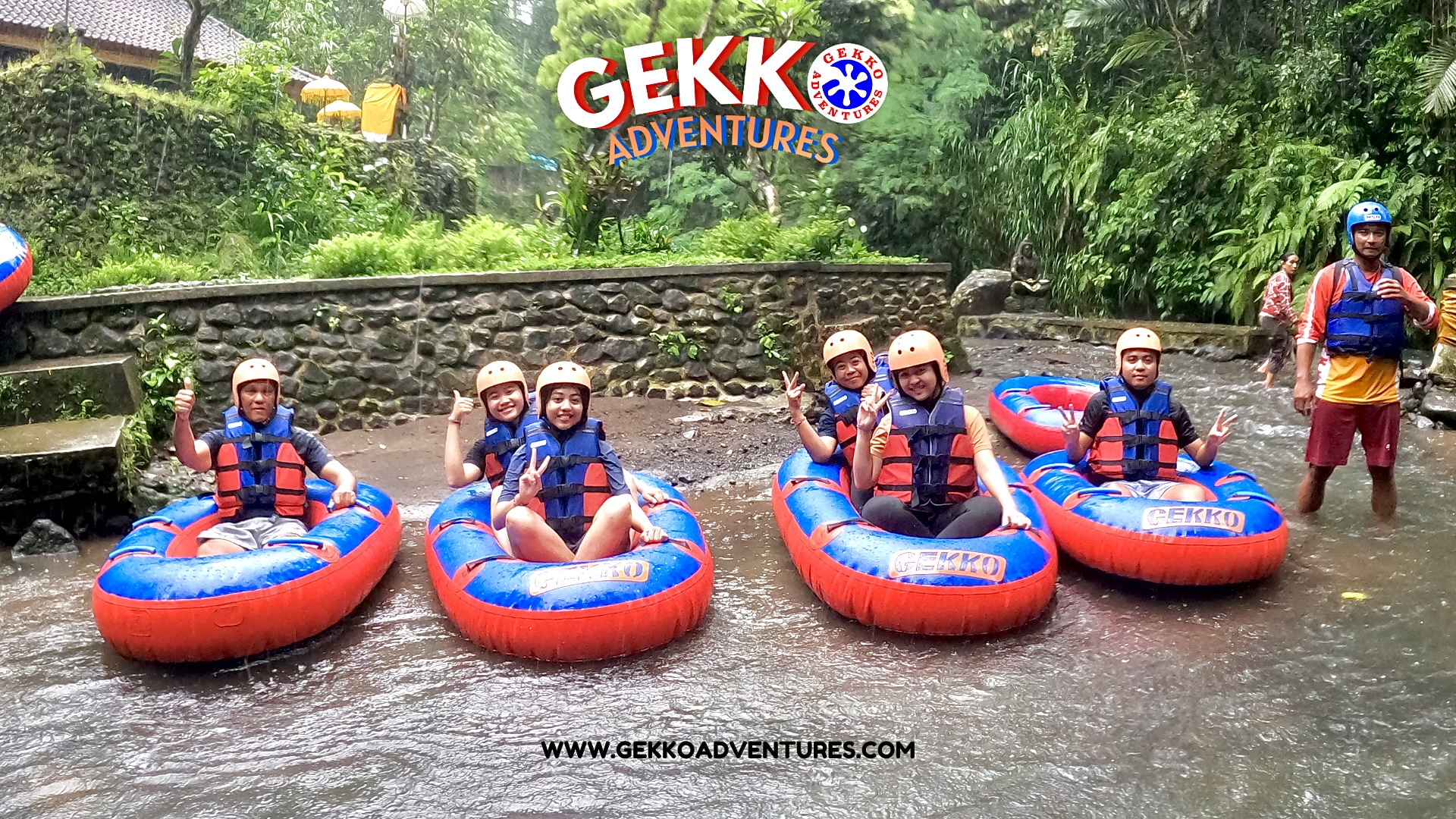
Gekko Tubing Bali takes participants on an exciting river tubing journey down Bali’s scenic rivers, such as the Ayung River in Ubud or the Penet River in Gianyar. River tubing involves floating downstream on inflatable tubes, navigating gentle rapids and calm waters, surrounded by dense jungle and picturesque cliffs. It’s a perfect blend of adrenaline-pumping adventure and relaxation as participants soak in the natural beauty of Bali from a unique perspective.

Safety and Equipment

Safety is paramount during Gekko Tubing adventures. Participants are provided with safety gear, including helmets and life jackets, and briefed on river safety and tubing techniques by experienced guides. The inflatable tubes used are sturdy and designed for comfort and stability, ensuring a safe and enjoyable experience for all participants, including families with children.

Scenic Beauty and Nature

One of the highlights of Gekko Tubing Bali is the opportunity to immerse oneself in Bali’s pristine natural environment. The rivers wind through dense tropical rainforests, offering glimpses of exotic flora and fauna along the way. Participants may spot native birds, butterflies, and even playful monkeys in the treetops, adding to the adventure’s allure.

Cultural Insights and Local Interaction

Beyond the adventure itself, Gekko Tubing Bali provides insights into Balinese culture and local life. Guides often share stories about the surrounding villages, traditional farming practices, and the significance of rivers in Balinese daily life and ceremonies. This cultural immersion enhances the experience, offering participants a deeper appreciation of Bali’s rich heritage.

Accessibility and Tours

Gekko Tubing Bali caters to both beginners and experienced adventurers, with tours designed to accommodate different skill levels and preferences. The tours typically include transportation to and from the river starting point, ensuring convenience for participants staying in various parts of Bali.

Environmental Conservation

Environmental sustainability is a priority for Gekko Tubing Bali. The company emphasizes responsible tourism practices, including waste reduction, preservation of river ecosystems, and supporting local communities. By promoting eco-friendly tourism, Gekko Tubing Bali aims to protect Bali’s natural beauty for future generations to enjoy.

Conclusion

Gekko Tubing Bali offers a thrilling and memorable adventure for travelers seeking a unique way to experience Bali’s natural wonders. Whether floating down gentle rivers surrounded by lush greenery or learning about Balinese culture from knowledgeable guides, participants can expect an immersive and environmentally conscious adventure with Gekko Tubing Bali. It’s an opportunity to create lasting memories and discover Bali’s hidden treasures off the beaten path.

Batur Mountain in Kintamani

Batur Mountain in Kintamani

Batur Mountain in Kintamani: Bali’s Majestic Volcanic Landscape

Introduction

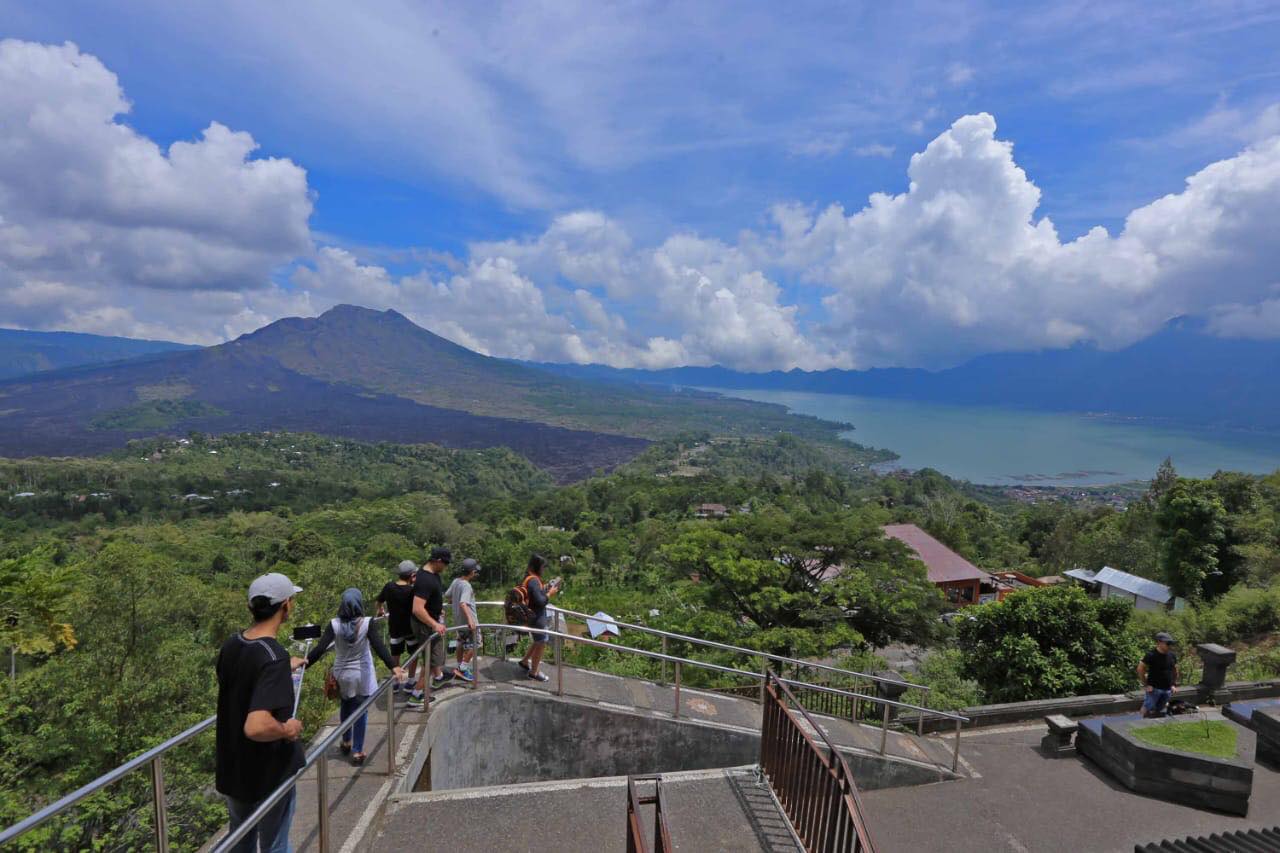
Batur Mountain, located in the Kintamani region of Bali, is an active volcano renowned for its dramatic landscapes, panoramic views, and cultural significance. Rising 1,717 meters (5,633 feet) above sea level, Batur Mountain and its surrounding caldera offer visitors a breathtaking glimpse into Bali’s volcanic heritage and natural beauty.

Geological and Cultural History

The Batur caldera, formed by a massive volcanic eruption thousands of years ago, is one of Bali’s most prominent geological features. Within this caldera lies Lake Batur, the largest lake in Bali, which adds to the area’s scenic allure. The volcanic activity in the region has shaped the landscape and provided fertile soil for agriculture, making Kintamani a hub for coffee plantations, fruit orchards, and terraced rice fields.

Scenic Beauty and Views

Batur Mountain offers spectacular panoramic views of its volcanic caldera and Lake Batur from various vantage points. The sight of the expansive lake surrounded by lush greenery against the backdrop of the towering volcano is a sight to behold, especially during sunrise or sunset when the landscape is bathed in golden hues.

Visitors often trek to the summit of Batur Mountain to witness these breathtaking vistas. The trek, which usually starts in the early morning, is rewarded with awe-inspiring views of the sunrise over the caldera and the distant peaks of Mount Agung and Mount Rinjani on neighboring islands. The trekking experience is popular among adventure enthusiasts and nature lovers seeking to explore Bali’s natural wonders firsthand.

Cultural Significance and Temples

The area surrounding Batur Mountain is steeped in Balinese Hindu culture and traditions. Pura Ulun Danu Batur, a prominent Hindu temple located on the edge of Lake Batur, is dedicated to Dewi Danu, the goddess of water and fertility. This temple plays a crucial role in Balinese ceremonies and rituals, particularly those related to irrigation and agricultural prosperity. Visitors can explore the temple grounds and observe the rituals performed by local devotees, gaining insights into Balinese spiritual beliefs and practices.

Activities and Experiences

In addition to trekking and exploring the volcanic landscapes, visitors to Batur Mountain can enjoy a range of activities. Boating and fishing on Lake Batur offer opportunities for relaxation and scenic views from the water. The surrounding villages, known for their traditional Balinese architecture and skilled craftsmanship, provide cultural immersion experiences where visitors can learn about local customs, art, and cuisine.

Conclusion

Batur Mountain in Kintamani is a captivating destination that combines natural beauty, cultural richness, and outdoor adventure in Bali. Whether trekking to the summit for panoramic views, exploring ancient temples, or enjoying the tranquility of Lake Batur, visitors to Batur Mountain are treated to a memorable experience that highlights Bali’s volcanic landscapes and vibrant cultural heritage. A visit to Batur Mountain promises a deep appreciation for the island’s natural wonders and spiritual significance amidst its majestic volcanic scenery.

Tegenungan Waterfall

Tegenungan Waterfall

Tegenungan Waterfall: Bali’s Picturesque Natural Wonder

Introduction

Tegenungan Waterfall, nestled in the lush jungles of Gianyar Regency in Bali, is a captivating natural attraction known for its scenic beauty and tranquil surroundings. This waterfall, fed by the Petanu River, offers visitors a refreshing retreat into Bali’s verdant landscapes, making it a popular destination for nature lovers and photographers alike.

Scenic Beauty and Natural Setting

Tegenungan Waterfall cascades from a height of approximately 15 meters (49 feet), creating a curtain of white water that plunges into a shallow pool below. The waterfall is surrounded by dense greenery, including tropical trees, vines, and ferns, which add to its serene and picturesque ambiance. The lush vegetation and cool mist from the waterfall create a refreshing atmosphere, ideal for escaping the tropical heat of Bali.

Swimming and Relaxation

The pool at the base of Tegenungan Waterfall is popular for swimming and wading, offering visitors the opportunity to cool off in its clear, emerald-green waters. The shallow pool is safe for swimming, making it a family-friendly destination where visitors can enjoy a leisurely dip while surrounded by the natural beauty of the waterfall and its surroundings.

Accessibility and Facilities

Tegenungan Waterfall is easily accessible from Ubud and other major tourist areas in Bali, making it a convenient day trip for travelers. A short walk from the parking area leads visitors through lush vegetation and down a flight of stairs to reach the waterfall’s base. Along the way, there are viewpoints that offer stunning panoramas of the waterfall and the surrounding jungle.

The site is equipped with amenities such as food stalls, restrooms, and shaded seating areas, allowing visitors to relax and enjoy the scenery comfortably. Local vendors also sell souvenirs and refreshments, providing a taste of Balinese hospitality amidst the natural beauty of Tegenungan Waterfall.

Photography and Views

Photographers flock to Tegenungan Waterfall to capture its natural beauty and picturesque landscapes. The soft, diffused light filtering through the jungle canopy creates ideal conditions for photography, especially during the early morning or late afternoon when the waterfall is bathed in warm, golden sunlight. The lush greenery, cascading water, and reflective pool offer countless opportunities for stunning nature shots and memorable travel photos.

Conservation and Sustainability

Efforts are underway to preserve the natural environment surrounding Tegenungan Waterfall and ensure its long-term sustainability. Local communities and authorities work together to manage visitor numbers, maintain cleanliness, and promote responsible tourism practices that minimize environmental impact. By supporting these efforts, visitors can contribute to the preservation of Bali’s natural treasures for future generations to enjoy.

Conclusion

Tegenungan Waterfall is a captivating destination that combines natural beauty, relaxation, and photographic opportunities in Bali. Whether you’re seeking a refreshing swim, a tranquil retreat into nature, or memorable photography sessions, Tegenungan Waterfall offers a scenic escape that showcases the island’s rich natural heritage and serene landscapes. A visit to this picturesque waterfall promises a rejuvenating experience amidst Bali’s lush tropical paradise.

Tirta Empul Tampaksiring

Tirta Empul Tampaksiring

Tirta Empul Temple in Tampaksiring: Bali’s Sacred Water Temple

Introduction

Tirta Empul Temple, located in the village of Tampaksiring in central Bali, is a revered Hindu water temple famous for its holy spring water and purification rituals. This ancient temple, surrounded by lush tropical greenery, holds great spiritual significance for the Balinese people and attracts visitors seeking spiritual cleansing and cultural immersion.

Historical and Cultural Significance

The history of Tirta Empul Temple dates back to the 10th century during the Warmadewa dynasty, though the current temple complex was rebuilt in 1954. The temple is dedicated to Vishnu, one of the principal deities in Hinduism, and features a large bathing pool fed by natural springs. Legend has it that the sacred spring water at Tirta Empul was created by the god Indra and possesses powerful healing properties.

Purification Rituals and Sacred Spring

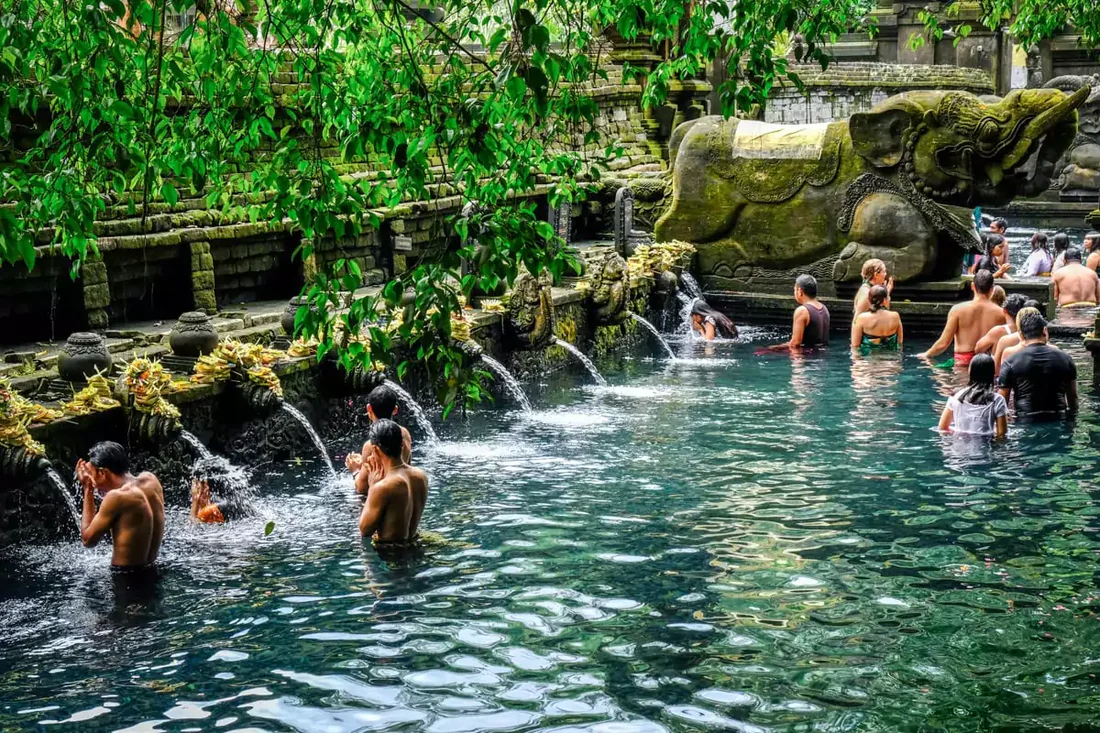
The highlight of Tirta Empul Temple is its sacred spring, which is believed to have curative properties and spiritual cleansing abilities. Pilgrims and visitors come to the temple to participate in purification rituals known as “melukat,” where they bathe in the spring water as part of a spiritual cleansing process. The purification rituals involve prayers and offerings, guided by Hindu priests, to seek blessings, health, and prosperity.

The temple complex includes a series of intricately carved shrines, pavilions, and courtyards surrounding the sacred spring. Stone sculptures and Balinese architectural elements adorn the temple, reflecting its historical and cultural importance.

Architecture and Sacred Spaces

Tirta Empul Temple is renowned for its traditional Balinese architecture and serene ambiance. The temple’s layout follows a series of courtyards and terraces leading to the main bathing pool. Visitors pass through ornate Balinese gates, known as “candi bentar,” and stone-carved structures depicting scenes from Hindu mythology.

The central bathing pool features 30 water spouts, each with its own specific ritual purpose. Devotees move from spout to spout, performing cleansing rituals and prayers, under the guidance of priests. The architectural harmony and spiritual symbolism of Tirta Empul Temple create a tranquil and sacred atmosphere for contemplation and devotion.

Cultural Experience and Tourism

Visiting Tirta Empul Temple offers a profound cultural and spiritual experience. The temple grounds are often bustling with activity during religious festivals and ceremonies, providing insights into Balinese Hindu rituals and traditions. Many visitors also come to witness or participate in the temple’s unique purification rituals, gaining a deeper understanding of Balinese spiritual practices and beliefs.

Surrounding the temple, the village of Tampaksiring offers opportunities to explore traditional Balinese culture, with local markets, art galleries, and nearby historical sites such as the presidential palace of Tampaksiring.

Conclusion

Tirta Empul Temple in Tampaksiring is more than a tourist attraction; it is a spiritual sanctuary where Balinese Hindu traditions come to life. Its sacred spring, purification rituals, and architectural beauty make it a must-visit destination for those seeking cultural immersion and spiritual rejuvenation in Bali. A visit to Tirta Empul Temple offers a profound glimpse into the island’s rich religious heritage and the enduring spiritual practices that continue to shape Balinese culture today.

Tegalalang Rice Terrace

Tegalalang Rice Terrace

Tegalalang Rice Terrace: Bali’s Verdant Agricultural Wonder

Introduction

Tegalalang Rice Terrace, located in the heart of Bali’s Ubud district, is a stunning example of traditional Balinese agricultural practices and natural beauty. Carved into the rolling hillsides of the Tegalalang village, these terraces have been cultivated for centuries, creating a mesmerizing landscape that attracts visitors from around the world. Beyond its aesthetic appeal, Tegalalang Rice Terrace offers a glimpse into the island’s rich cultural heritage and sustainable farming methods.

Historical and Cultural Significance

The history of Tegalalang Rice Terrace dates back over 2,000 years, tracing its origins to ancient Balinese farmers who ingeniously sculpted the landscape to maximize rice cultivation. The terraces are fed by a cooperative irrigation system known as Subak, which distributes water evenly across the fields, ensuring optimal growth and productivity. This traditional water management system is recognized by UNESCO as a World Heritage cultural landscape, highlighting its importance in Balinese culture and agriculture.

Agricultural Engineering and Sustainability

Tegalalang Rice Terrace exemplifies the ingenuity of Balinese farmers in adapting to the island’s rugged terrain. The terraces are meticulously carved into the slopes, creating stepped levels that follow the contours of the land. This engineering marvel not only prevents soil erosion but also allows for efficient water retention and distribution, essential for rice cultivation in Bali’s tropical climate.

The Subak system, integral to the terraces’ irrigation, emphasizes cooperative management and ecological harmony. Farmers work together to maintain the canals, weirs, and water temples that regulate water flow and ensure equitable distribution among the rice paddies. This sustainable farming practice reflects Balinese beliefs in Tri Hita Karana, the harmonious relationship between humans, nature, and the spiritual world.

Scenic Beauty and Tourism

Visiting Tegalalang Rice Terrace offers a picturesque journey through Bali’s countryside. The verdant green terraces create a stunning mosaic against the backdrop of lush palm trees and tropical vegetation. The best time to visit is during the growing season, from December to March, when the terraces are vibrant with young rice plants. Sunrise and sunset provide magical lighting, enhancing the terraces’ natural beauty and capturing stunning photographs.

Local villagers welcome visitors to explore the terraces and learn about traditional rice farming techniques. Guided tours offer insights into the cultivation process, from planting and harvesting to the rituals and ceremonies that accompany each agricultural cycle. Visitors can also enjoy panoramic views from various vantage points and relax at nearby cafes offering scenic overlooks of the terraced landscape.

Cultural Immersion and Community

Beyond its agricultural significance, Tegalalang Rice Terrace serves as a cultural hub where Balinese traditions thrive. Farmers celebrate annual harvest festivals and religious ceremonies, such as the Piodalan Temple Anniversary, with colorful processions and offerings to honor Dewi Sri, the goddess of rice and fertility. These rituals underscore the spiritual connection between the land and its people, fostering a sense of community and cultural pride.

Conclusion

Tegalalang Rice Terrace stands as a testament to Bali’s agricultural heritage and natural beauty. Its ancient terraces, sustained by the Subak irrigation system and traditional farming practices, offer a glimpse into a timeless landscape shaped by human ingenuity and reverence for nature. A visit to Tegalalang Rice Terrace not only provides a scenic retreat but also a deeper appreciation for Balinese culture, sustainability, and the enduring legacy of rice cultivation in Southeast Asia.