Good Guide

Men Tempeh Betutu Chicken

Men Tempeh Betutu Chicken

Men Tempeh Betutu Chicken: A Culinary Delight from Bali

Introduction

Men Tempeh Betutu Chicken is a traditional Balinese dish renowned for its rich flavors and cultural significance. This aromatic and spicy chicken dish is a staple at ceremonies and festive occasions in Bali, reflecting the island’s deep culinary heritage. Betutu itself refers to the cooking method, which involves slow-cooking meat in a blend of spices wrapped in banana leaves, resulting in tender, flavorful dishes.

Historical and Cultural Significance

The origin of Betutu can be traced back to the Balinese royal courts, where it was served as a delicacy during important feasts and rituals. “Men Tempeh” is a term of endearment, often referring to the person who prepared the dish, indicating a connection to traditional cooking passed down through generations.

Betutu is commonly prepared using chicken (ayam) or duck (bebek), and each family may have its own variation of the spice mix, making it a unique culinary experience. The dish is typically reserved for special occasions such as weddings, temple ceremonies, and communal gatherings, underscoring its importance in Balinese culture.

Ingredients and Preparation

Men Tempeh Betutu Chicken is made using a whole chicken marinated and cooked with a blend of traditional Balinese spices known as “base genep.” The key ingredients for the spice paste include:

  • Shallots
  • Garlic
  • Turmeric
  • Ginger
  • Galangal
  • Lemongrass
  • Kaffir lime leaves
  • Coriander seeds
  • Candlenuts
  • Bird’s eye chilies
  • Shrimp paste (terasi)

These ingredients are ground into a paste and then used to marinate the chicken. The marinated chicken is wrapped in banana leaves, which helps to retain moisture and infuse the meat with the aromatic flavors of the spices. The wrapped chicken is then slow-cooked, traditionally in a pit of hot coals or an oven, for several hours until the meat is tender and infused with the spices.

Flavor Profile and Serving

Men Tempeh Betutu Chicken is celebrated for its complex and robust flavor profile. The combination of spices creates a harmonious blend of savory, spicy, and aromatic notes. The slow-cooking process ensures the chicken is incredibly tender, with the meat falling off the bone and bursting with flavor.

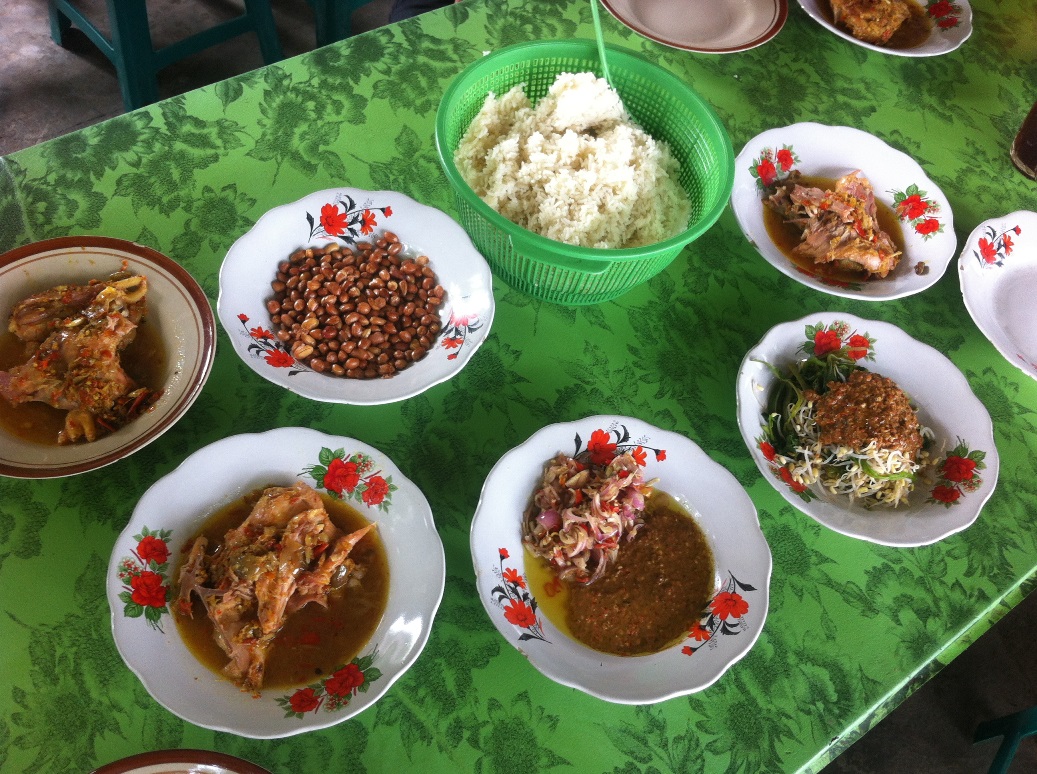
The dish is typically served with steamed rice and a variety of side dishes such as sambal matah (raw shallot and chili salsa), lawar (a mix of vegetables and grated coconut), and fresh vegetables. The accompaniments add texture and balance to the rich and flavorful chicken, making for a well-rounded meal.

Cultural and Culinary Experience

Enjoying Men Tempeh Betutu Chicken is more than just a culinary experience; it’s a cultural immersion. The preparation of the dish is often a communal activity, bringing together family and friends to participate in the cooking process. This communal aspect reflects the importance of food in Balinese social and cultural life.

For visitors to Bali, trying Men Tempeh Betutu Chicken offers a delicious way to connect with the island’s heritage. Many local warungs (small eateries) and restaurants serve this traditional dish, providing an authentic taste of Balinese cuisine.

Conclusion

Men Tempeh Betutu Chicken is a quintessential Balinese dish that embodies the island’s rich culinary traditions and cultural heritage. Its complex flavors, slow-cooking method, and ceremonial significance make it a standout dish in Indonesian cuisine. Whether enjoyed during a festive celebration or a casual meal, Men Tempeh Betutu Chicken offers a memorable and flavorful experience that captures the essence of Bali.
Rambut Siwi Temple

Rambut Siwi Temple

Rambut Siwi Temple: A Sacred Coastal Sanctuary in Bali

Introduction

Rambut Siwi Temple, or Pura Rambut Siwi, is one of Bali’s most revered and picturesque temples, situated on the island’s southwestern coast in the Jembrana Regency. Overlooking the Indian Ocean, this temple is a serene and spiritual site steeped in history and Balinese Hindu culture. Its name, which means “hair worship,” is derived from a legendary tale associated with the revered Hindu priest, Dang Hyang Nirartha.

Historical Significance

The origins of Rambut Siwi Temple date back to the 16th century, during the Majapahit Empire’s influence on Bali. According to local legend, the temple was established by Dang Hyang Nirartha, a prominent Hindu priest who traveled across Bali spreading religious teachings and establishing temples. It is said that Nirartha gave a lock of his hair (rambut) to the villagers for protection, and this sacred relic is enshrined within the temple, giving the temple its name.

Temple Complex and Architecture

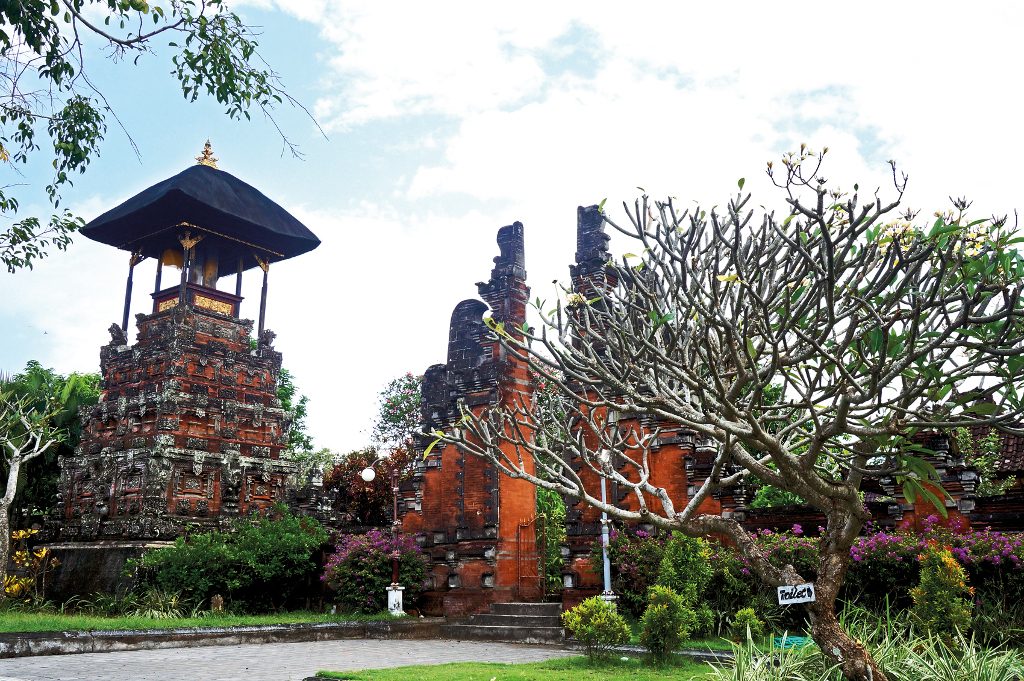
Rambut Siwi Temple is perched on a cliff, offering breathtaking views of the Indian Ocean and the surrounding landscape. The temple complex is expansive, comprising several smaller shrines and courtyards that are spread across a large area. The main temple area is accessible via a flight of steps that lead visitors through lush greenery and traditional Balinese gates, known as candi bentar.

The architecture of Rambut Siwi Temple is a testament to classical Balinese design, with intricately carved stonework, thatched roofs, and elaborate statues of Hindu deities. The temple’s serene ambiance is enhanced by the sound of crashing waves and the gentle sea breeze, making it a peaceful retreat for worshippers and visitors alike.

Spiritual and Cultural Importance

Rambut Siwi Temple holds great spiritual significance for the Balinese people. It is a site of pilgrimage where locals come to pray for protection, prosperity, and blessings. The temple is dedicated to the worship of Siwa (Shiva), and various other Hindu deities, and plays a central role in the island’s religious festivals and ceremonies.

One of the most important rituals at Rambut Siwi is the Odalan ceremony, which is held every 210 days according to the Balinese Pawukon calendar. During this festival, the temple is adorned with colorful decorations, and the community comes together to offer prayers, perform traditional dances, and present offerings to the deities.

Natural Beauty and Tranquility

The location of Rambut Siwi Temple provides a perfect blend of spiritual and natural beauty. The temple’s vantage point offers stunning panoramic views of the coastline, making it an ideal spot for sunset viewing. The surrounding area is rich in flora and fauna, adding to the temple’s tranquil and serene atmosphere.

Visitors to the temple can also explore the nearby black sand beach, which is often less crowded than other tourist spots in Bali. This secluded beach offers a peaceful environment to relax and reflect, away from the hustle and bustle of the more commercialized areas.

Conclusion

Rambut Siwi Temple is a significant cultural and spiritual landmark in Bali, offering a unique glimpse into the island’s religious heritage and natural beauty. Its historical roots, stunning architecture, and serene location make it a must-visit destination for those seeking to experience the rich cultural tapestry of Bali. Whether you are a spiritual seeker, a history enthusiast, or simply looking for a tranquil escape, Rambut Siwi Temple provides a profound and enriching experience.

West Bali National Park

West Bali National Park

West Bali National Park: A Sanctuary of Biodiversity and Natural Beauty

Introduction

West Bali National Park, known locally as Taman Nasional Bali Barat, is a haven of natural beauty and biodiversity located on the northwestern tip of Bali. Covering an area of approximately 190 square kilometers, the park encompasses a diverse range of ecosystems, including rainforests, mangroves, savannahs, and coral reefs. It offers a unique opportunity to explore Bali’s unspoiled wilderness and discover its rich flora and fauna.

Ecological Diversity

West Bali National Park is home to a remarkable variety of habitats that support an array of wildlife. The park’s lush rainforests are teeming with plant species, while its mangrove swamps provide vital breeding grounds for fish and birds. The savannahs and dry forests are dotted with acacia trees and grasslands, creating a diverse landscape that changes with the seasons.

The marine areas of the park, including the coral reefs and seagrass beds around Menjangan Island, are particularly notable. These underwater ecosystems are vibrant with marine life, including colorful corals, tropical fish, sea turtles, and even occasional sightings of dolphins. The crystal-clear waters make it a popular destination for snorkeling and diving enthusiasts.

Wildlife and Conservation

West Bali National Park is a critical sanctuary for several endangered species. Most notably, it is the last refuge of the Bali starling (Leucopsar rothschildi), also known as the Bali myna, a striking white bird with blue eye patches and a fan-shaped crest. Conservation efforts within the park have been instrumental in preventing the extinction of this beautiful bird, which remains one of the park’s main attractions.

Other wildlife in the park includes the banteng (wild cattle), barking deer, monitor lizards, and a variety of monkeys. Birdwatchers can delight in the diversity of avian species, with over 160 different birds recorded in the park, including the Javan kingfisher, black-winged starling, and the lesser adjutant stork.

Activities and Exploration

Visitors to West Bali National Park can engage in a range of activities that highlight the park’s natural wonders. Guided trekking tours offer the chance to explore the dense forests and savannahs, with knowledgeable guides providing insights into the flora and fauna. Birdwatching tours are particularly popular, given the park’s rich avian diversity.

Snorkeling and diving around Menjangan Island are among the top activities, providing access to some of Bali’s most pristine coral reefs. The underwater visibility is excellent, and the reefs are home to a stunning array of marine life. Kayaking through the mangroves and coastal waters is another way to experience the park’s aquatic environments.

For those interested in cultural experiences, the park also contains several historic and religious sites, including old temples and the remains of Dutch colonial structures.

Conservation and Sustainable Tourism

West Bali National Park is not just a destination for nature lovers but also a center for conservation and sustainable tourism. The park authorities work closely with local communities and international organizations to promote sustainable practices, protect endangered species, and maintain the health of the ecosystems.

Efforts to rehabilitate and reintroduce the Bali starling into the wild are ongoing, with breeding programs and protected aviaries within the park. Visitors are encouraged to support these conservation initiatives by adhering to guidelines, minimizing their ecological footprint, and participating in eco-friendly activities.

Conclusion

West Bali National Park is a jewel of natural diversity and ecological significance. Its range of habitats, from lush rainforests to vibrant coral reefs, provides a sanctuary for a wide variety of species and a tranquil retreat for visitors. Whether trekking through forests, snorkeling among corals, or simply enjoying the serene landscapes, a visit to West Bali National Park offers an enriching experience that highlights the beauty and importance of Bali’s natural heritage.

Medewi Beach

Medewi Beach

Medewi Beach: A Surfer’s Haven on Bali’s West Coast

Introduction

Medewi Beach, located on Bali’s lesser-explored west coast in the Jembrana Regency, is a hidden gem known for its long, mellow waves and serene atmosphere. Far from the bustling crowds of Bali’s southern beaches, Medewi offers a tranquil escape with a laid-back vibe, making it a favorite destination for surfers and those seeking a more relaxed experience.

Scenic Beauty and Natural Charm

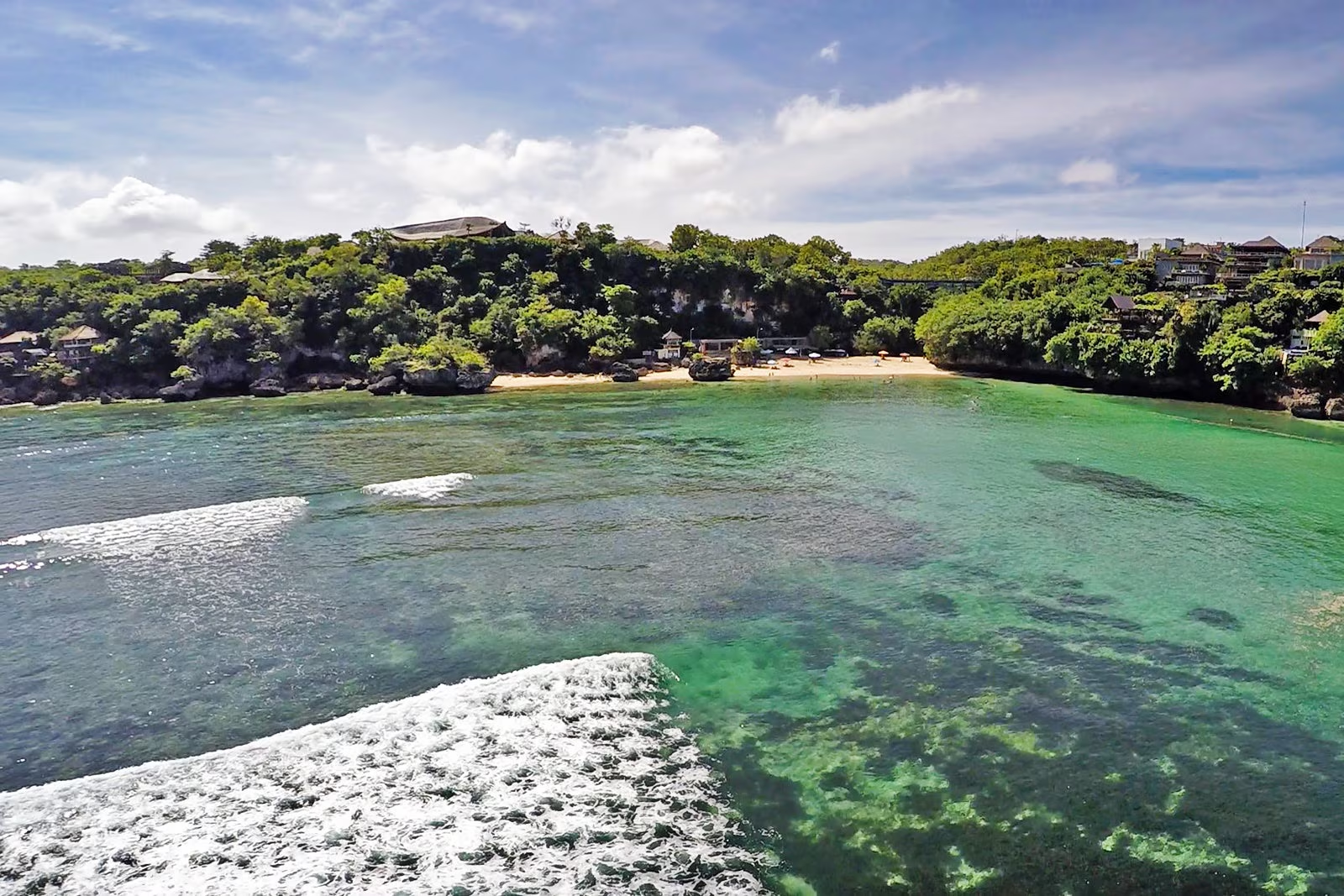
Medewi Beach is characterized by its distinctive black volcanic sand and rocky shoreline, which contrasts beautifully with the deep blue waters of the Indian Ocean. The beach is surrounded by lush green rice paddies and coconut groves, creating a picturesque landscape that is quintessentially Balinese. The natural beauty of Medewi is unspoiled, offering a serene environment perfect for unwinding and soaking in the tranquil atmosphere.

Surfing Paradise

The main draw of Medewi Beach is its exceptional surfing conditions. Known for its long, peeling left-hand waves, Medewi is considered one of the best surf spots in Bali for longboarders and intermediate surfers. The waves here are consistent and gentle, making it an ideal place to practice and enjoy leisurely rides. Surfing at Medewi is less crowded compared to Bali’s more famous surf spots, allowing surfers to enjoy the waves without the hassle of competing for space.

For those new to surfing, several surf schools and local instructors offer lessons and equipment rentals. The friendly local surf community is welcoming and helpful, making it a great place for beginners to learn and improve their skills.

Local Culture and Community

Medewi Beach is part of a traditional Balinese village, where the local way of life remains largely untouched by tourism. Visitors can experience authentic Balinese culture, from the daily rituals and ceremonies to the friendly interactions with locals. The village atmosphere is laid-back and peaceful, providing a refreshing contrast to the more commercialized areas of Bali.

Activities and Exploration

Beyond surfing, Medewi Beach offers a range of activities for visitors. The surrounding area is perfect for leisurely walks, cycling through the rice fields, and exploring the nearby villages. The sunsets at Medewi are spectacular, with the sun dipping below the horizon, casting a golden glow over the ocean and the landscape.

Fishing is another popular activity, with local fishermen often seen casting their nets or setting out to sea in traditional wooden boats. Visitors can join fishing trips or simply enjoy the sight of the fishermen at work, adding to the charm of this coastal retreat.

Accommodation and Dining

Medewi Beach offers a variety of accommodation options, from budget-friendly guesthouses to more upscale resorts. These establishments often blend harmoniously with the natural surroundings, providing comfortable stays with stunning views of the beach and the ocean.

Dining options at Medewi are diverse, with local warungs (small eateries) offering delicious Balinese cuisine, fresh seafood, and international dishes. The laid-back beach cafes and restaurants provide the perfect setting for enjoying meals while taking in the beautiful coastal scenery.

Conclusion

Medewi Beach is a serene and captivating destination that offers the perfect blend of natural beauty, excellent surfing conditions, and authentic Balinese culture. Whether you’re an avid surfer, a nature lover, or someone seeking a peaceful retreat, Medewi Beach promises an enriching and memorable experience away from the crowds. Its unique charm and tranquil atmosphere make it a must-visit spot on Bali’s west coast.

Subak Museum

Subak Museum

Subak Museum: Preserving Bali’s Agricultural Heritage

Introduction

Located in the town of Tabanan, the Subak Museum is a unique cultural institution dedicated to preserving and showcasing Bali’s traditional irrigation system known as Subak. This museum offers visitors an in-depth look at the intricate and sustainable agricultural practices that have supported Balinese rice farming for centuries. The Subak system is a testament to the island’s rich cultural heritage and communal values.

Historical and Cultural Significance

The Subak system is an ancient irrigation method that dates back to the 9th century. It is a cooperative water management system used to irrigate rice fields, ensuring fair and efficient distribution of water. The system is intricately linked to Balinese Hinduism, emphasizing the concept of Tri Hita Karana, which promotes harmony among people, nature, and the spiritual realm. Recognized by UNESCO as a World Heritage Site in 2012, the Subak system is celebrated for its contribution to sustainable agriculture and its role in fostering community spirit.

Exhibits and Collections

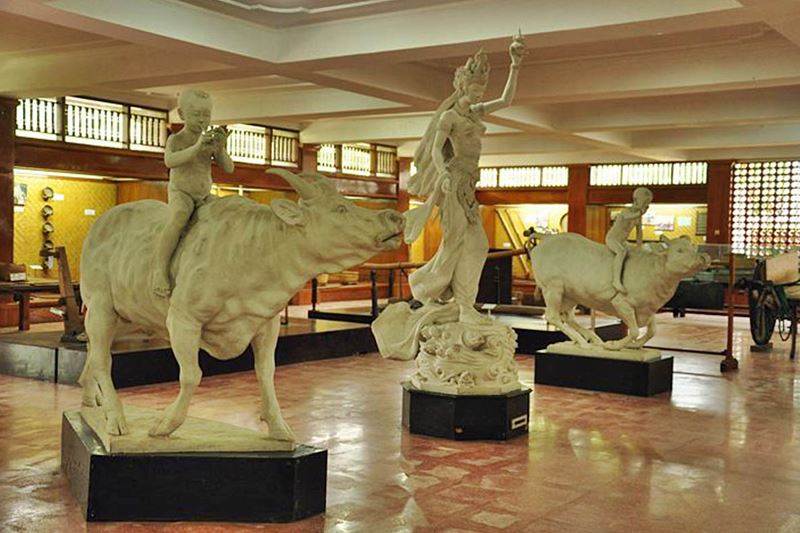
The Subak Museum features a variety of exhibits that provide insights into the history, technology, and cultural significance of the Subak system. The museum’s collections include traditional tools and equipment used in rice farming, such as plows, sickles, and waterwheels. These artifacts illustrate the evolution of agricultural practices in Bali and highlight the ingenuity of local farmers.

One of the key exhibits is a detailed model of a Subak irrigation system, demonstrating how water is channeled from natural springs and rivers through a network of canals and weirs to reach the rice terraces. This model helps visitors understand the complexity and efficiency of the system.

The museum also houses dioramas and photographs that depict various stages of rice cultivation, from planting to harvesting. These visual aids, along with informative panels, provide a comprehensive overview of the entire agricultural process and the communal labor involved.

Educational Programs and Activities

The Subak Museum offers educational programs and workshops aimed at promoting awareness of traditional agricultural practices and environmental sustainability. Visitors can participate in hands-on activities such as traditional rice planting and harvesting, providing a deeper appreciation of the labor and skill required in rice farming.

Guided tours are available, offering detailed explanations of the exhibits and the historical context of the Subak system. These tours are led by knowledgeable guides who share fascinating stories and insights about Balinese culture and agriculture.

Importance of Preservation

The Subak Museum plays a crucial role in preserving Bali’s agricultural heritage, particularly as modern development poses challenges to traditional practices. By educating both locals and tourists about the Subak system, the museum helps to ensure the continued appreciation and protection of this vital cultural legacy.

Conclusion

The Subak Museum is a valuable cultural institution that provides an in-depth look at one of Bali’s most significant contributions to sustainable agriculture. Through its exhibits, educational programs, and hands-on activities, the museum offers a comprehensive and engaging experience that highlights the ingenuity, tradition, and communal spirit of Balinese rice farming. A visit to the Subak Museum not only enriches one’s understanding of Bali’s cultural heritage but also underscores the importance of preserving traditional practices in the face of modern challenges.