Good Guide

Kecak Dance Uluwatu Temple

Kecak Dance Uluwatu Temple

The Kecak Dance at Uluwatu Temple: A Spectacle of Balinese Culture

Introduction

The Kecak Dance, performed at the Uluwatu Temple, is one of Bali’s most captivating cultural experiences. Set against the dramatic backdrop of the Indian Ocean and the stunning Uluwatu Temple at sunset, this unique performance combines traditional Balinese storytelling, music, and dance. The Kecak Dance is not just a performance; it’s an immersion into the rich cultural tapestry of Bali.

Historical Origins

The Kecak Dance, also known as the Ramayana Monkey Chant, has its roots in an ancient Balinese ritual called Sanghyang, which was a trance-inducing exorcism dance. In the 1930s, the German painter and musician Walter Spies collaborated with Balinese dancers to transform this ritual into a dramatic performance based on the Ramayana, one of the great Hindu epics. This adaptation gave birth to the Kecak Dance as it is known today.

The Story of Ramayana

The Kecak Dance at Uluwatu Temple tells the story of the Ramayana, focusing on the abduction of Sita, the wife of Prince Rama, by the demon king Ravana, and her eventual rescue. The narrative is brought to life through the movements of the dancers and the rhythmic chanting of a large male chorus, who sit in a circle around the performers.

The story unfolds with Hanuman, the white monkey god, and his army assisting Rama in the rescue of Sita. The dance is characterized by its intricate choreography, expressive gestures, and dramatic facial expressions, all set to the mesmerizing “cak-cak-cak” chant of the chorus.

The Performance

Held daily at the Uluwatu Temple’s open-air amphitheater, the Kecak Dance begins as the sun starts to set, creating a spectacular natural backdrop for the performance. The amphitheater’s location on a cliff edge offers stunning views of the ocean, enhancing the magical atmosphere of the dance.

The performance starts with the male chorus chanting “cak” rhythmically, creating a hypnotic sound that forms the foundation of the dance. As the story progresses, the dancers enter the circle, portraying the various characters of the Ramayana with elaborate costumes and masks. The absence of traditional musical instruments is a unique aspect of the Kecak Dance, with the chorus providing all the necessary sounds and rhythms.

Cultural Significance

The Kecak Dance is not only a form of entertainment but also a deep expression of Balinese culture and spirituality. It reflects the island’s rich traditions and the integration of Hindu epics into local customs. The dance also serves as a reminder of the importance of storytelling in preserving cultural heritage.

Conclusion

Experiencing the Kecak Dance at Uluwatu Temple is a highlight for many visitors to Bali. The combination of the captivating performance, the historical significance of the Ramayana story, and the breathtaking setting makes it a truly unforgettable experience. Whether you are a culture enthusiast, a history buff, or simply someone looking to enjoy a unique evening, the Kecak Dance at Uluwatu Temple offers a profound glimpse into the heart of Balinese tradition and artistry.
Uluwatu Temple

Uluwatu Temple

Uluwatu Temple: Bali’s Cliffside Sanctuary

Introduction

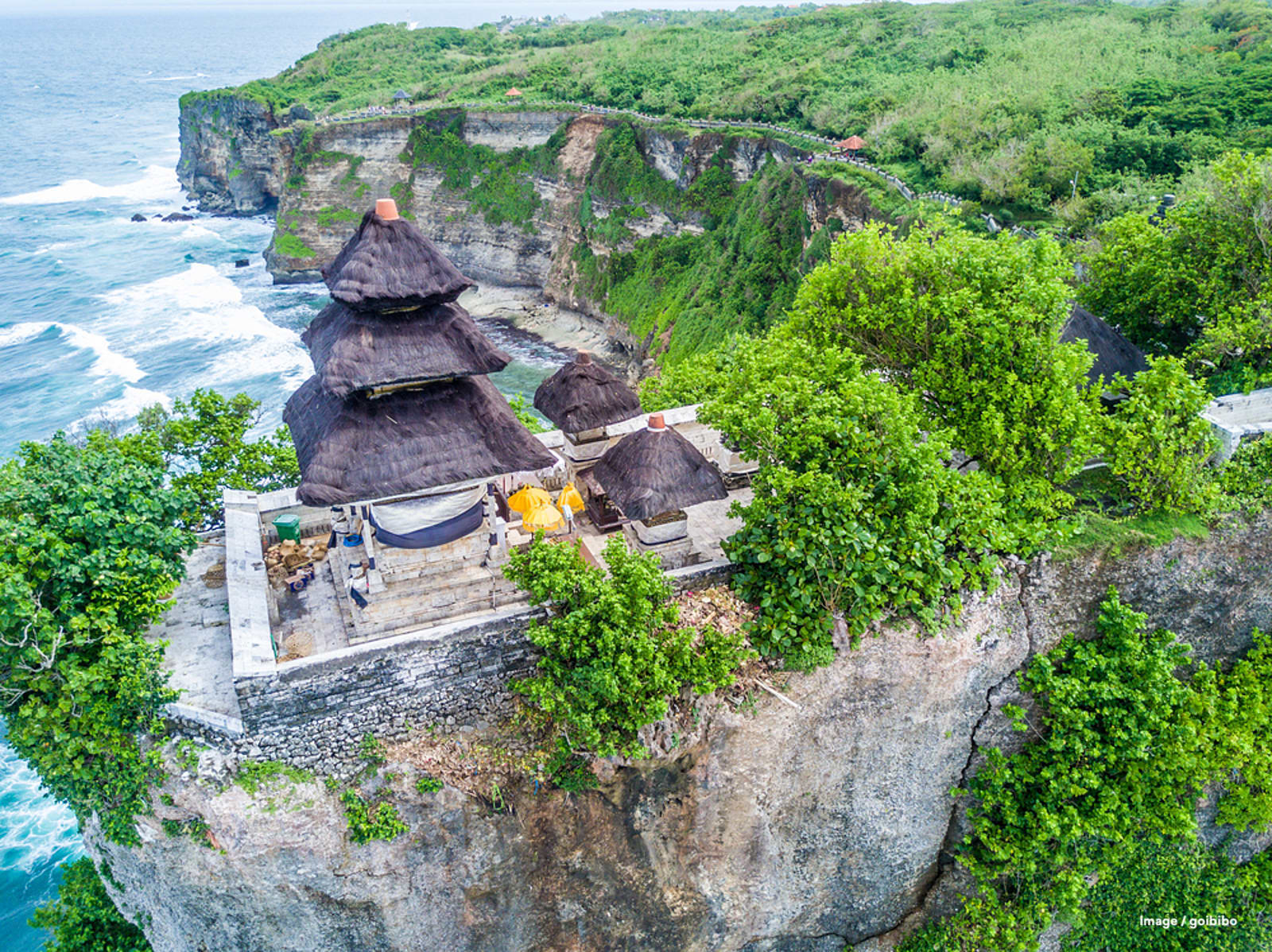
Perched majestically on a steep cliff overlooking the Indian Ocean, Uluwatu Temple (Pura Luhur Uluwatu) is one of Bali’s most iconic and spiritually significant sites. This ancient temple, dating back to the 11th century, offers visitors a breathtaking combination of cultural heritage, dramatic seascapes, and mesmerizing sunsets, making it a must-visit destination for anyone exploring the island.

Historical and Spiritual Significance

Uluwatu Temple is one of the six key temples believed to be Bali’s spiritual pillars. It is dedicated to Sang Hyang Widhi Wasa in his manifestation as Rudra, the Hindu god of storm and wind. The temple is said to protect Bali from evil sea spirits and is an essential part of Balinese spirituality and religious life.

The temple’s history is intertwined with that of the revered priest Dang Hyang Nirartha, who is credited with establishing several important temples in Bali. According to legend, Nirartha attained moksha (spiritual liberation) at Uluwatu, and his spirit is believed to dwell in the temple, adding to its sacredness.

Architectural Marvel

The architecture of Uluwatu Temple is a testament to classical Balinese design. The temple complex is built on the edge of a 70-meter-high cliff, offering stunning views of the ocean waves crashing against the rocks below. The main temple structure features traditional Balinese carvings and stonework, with intricate motifs that depict mythological scenes and deities.

The temple grounds include several smaller shrines, gateways, and courtyards, all connected by well-maintained pathways that meander through lush gardens. The entrance is guarded by stone statues of Ganesha, the elephant-headed god, symbolizing protection and wisdom.

Scenic Beauty and Wildlife

One of the main attractions of Uluwatu Temple is its spectacular location. The cliffside setting provides panoramic views of the Indian Ocean, especially during sunset, when the sky transforms into a canvas of vibrant colors. The sight of the sun dipping below the horizon, with the temple silhouetted against the glowing sky, is truly awe-inspiring.

The temple grounds are also home to a population of long-tailed macaques. These monkeys are notorious for their playful and sometimes mischievous behavior, often snatching visitors’ belongings. While they add a lively element to the visit, it’s advisable to keep a close eye on personal items.

Cultural Performances

Uluwatu Temple is renowned for its traditional Kecak dance performances, held daily at an open-air amphitheater near the temple. The Kecak dance, also known as the Ramayana Monkey Chant, involves a group of men chanting “cak” rhythmically while enacting scenes from the Ramayana epic. The performance, set against the backdrop of the setting sun and the ocean, creates a magical and unforgettable experience.

Practical Information

Visitors to Uluwatu Temple are required to wear a sarong and sash, which are provided at the entrance. Modest dress is appreciated out of respect for the sacred site. The temple can be easily reached from popular tourist areas such as Kuta and Seminyak, making it a convenient day trip.

Conclusion

Uluwatu Temple is a cultural and spiritual treasure that encapsulates the essence of Bali. Its dramatic cliffside location, rich history, and stunning architecture make it a captivating destination for travelers. Whether you are drawn by its religious significance, architectural beauty, or breathtaking views, a visit to Uluwatu Temple promises an enriching and memorable experience.

Garuda Wisnu Kencana

Garuda Wisnu Kencana

Garuda Wisnu Kencana: Bali’s Majestic Cultural Park

Introduction

Garuda Wisnu Kencana (GWK) is a cultural park and iconic landmark located in the Bukit Peninsula of Bali. Dominated by the towering statue of Vishnu riding the mythical bird Garuda, GWK is a testament to Indonesia’s rich cultural heritage and artistic prowess. The park offers visitors a blend of monumental art, cultural performances, and panoramic views, making it a must-visit destination in Bali.

The Monumental Statue

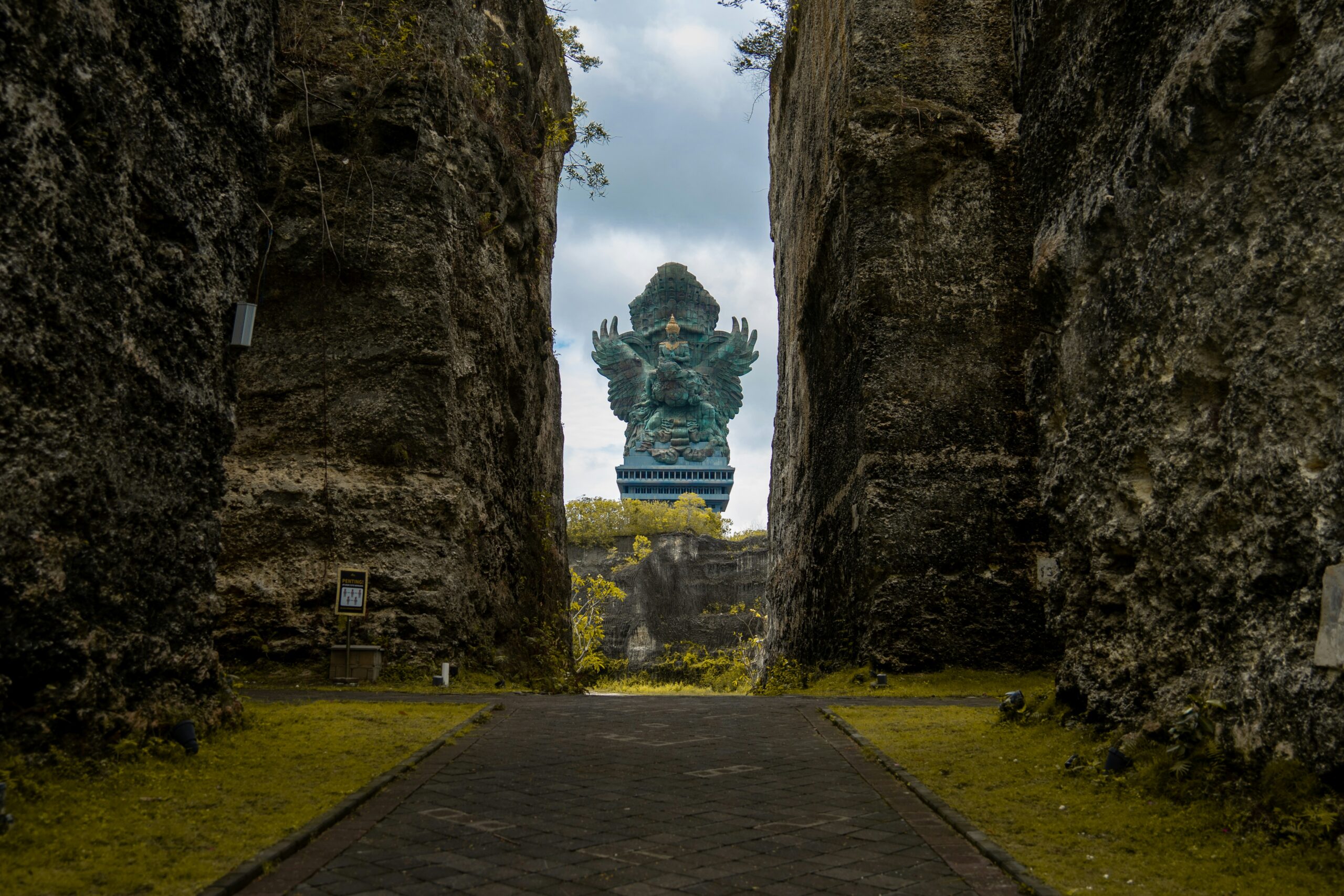
The centerpiece of GWK Cultural Park is the Garuda Wisnu Kencana statue, one of the tallest statues in the world. Standing at an impressive height of 121 meters, it depicts the Hindu god Vishnu riding on his mount, Garuda. The statue is made of copper and brass and took over two decades to complete, finally being inaugurated in 2018. It symbolizes the mission of preserving nature and the world, embodying a deep spiritual significance.

Designed by renowned Balinese sculptor Nyoman Nuarta, the statue is a marvel of contemporary engineering and traditional Balinese artistry. Visitors can marvel at the intricate details and sheer scale of the statue, which can be seen from various points across southern Bali.

Cultural Performances and Events

GWK Cultural Park is not just about the statue; it’s also a vibrant center for Balinese culture. The park hosts daily cultural performances, including traditional Balinese dance, music, and theater. These performances offer visitors a glimpse into Bali’s rich cultural traditions and are staged in various venues within the park, such as the Amphitheater and the Street Theater.

One of the highlights is the Kecak dance, a mesmerizing performance featuring rhythmic chanting and intricate choreography. The Barong dance, another popular show, narrates the eternal battle between good and evil through elaborate costumes and expressive movements.

The Cultural Park

The sprawling 60-hectare park is designed to showcase Bali’s cultural and natural heritage. Visitors can explore the Lotus Pond, the largest outdoor venue in the park, surrounded by towering limestone pillars and lush gardens. The Lotus Pond often hosts large-scale events, concerts, and festivals.

Other attractions within the park include the Indraloka Garden, which offers panoramic views of Bali, and the Tirta Agung, a serene area with a water feature that adds to the park’s tranquil ambiance. The park also features an exhibition hall where visitors can learn about the history and cultural significance of the Garuda Wisnu Kencana statue and the park itself.

Dining and Shopping

GWK Cultural Park also caters to culinary enthusiasts with a variety of dining options. Visitors can enjoy traditional Balinese cuisine and international dishes at the on-site restaurants and cafes. The park’s souvenir shops offer a range of locally made handicrafts, clothing, and artworks, providing perfect mementos of the visit.

Conclusion

Garuda Wisnu Kencana Cultural Park is a symbol of Balinese art, culture, and spirituality. With its awe-inspiring statue, rich cultural performances, and serene landscapes, GWK offers a unique and enriching experience for visitors. It is a place where history, culture, and art come together, providing a deep insight into Bali’s heritage and a spectacular view of its future. Whether you are an art lover, a cultural enthusiast, or simply seeking a memorable experience, GWK Cultural Park is a destination that should not be missed on your Bali itinerary.

Melasti Beach

Melasti Beach

Melasti Beach: Bali’s Pristine Coastal Paradise

Introduction

Melasti Beach, located in the southern part of Bali’s Bukit Peninsula, is a stunning hidden gem that offers a perfect blend of natural beauty and serene ambiance. Known for its crystal-clear waters, pristine white sand, and dramatic limestone cliffs, The Beach is a must-visit destination for those seeking a tranquil escape away from the more crowded tourist spots.

Scenic Beauty and Unique Landscape

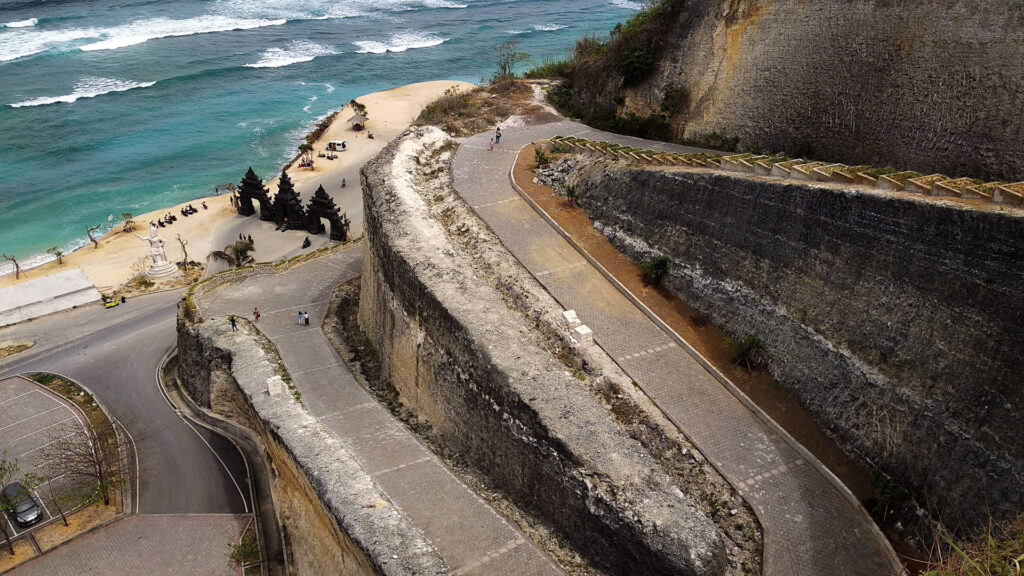
Melasti Beach is renowned for its breathtaking scenery. The beach is framed by towering limestone cliffs that provide a dramatic backdrop to the turquoise waters of the Indian Ocean. The contrast between the rugged cliffs and the soft, white sand creates a picturesque landscape that is ideal for photography and relaxation.

The journey to Melasti Beach is an experience in itself. Visitors descend a winding road that has been carved into the cliffs, offering panoramic views of the coastline along the way. This descent is not only visually stunning but also adds to the sense of seclusion and exclusivity that offers.

Crystal Clear Waters and Marine Life

The waters at Melasti Beach are exceptionally clear, making it a perfect spot for swimming and snorkeling. The calm and shallow waters near the shore are ideal for families and less experienced swimmers. The vibrant marine life and coral reefs just off the coast make for an excellent snorkeling adventure, allowing visitors to explore the underwater beauty of Bali.

Ideal Spot for Relaxation

One of the main attractions of Melasti Beach is its tranquility. Unlike the more popular beaches in Bali, remains relatively uncrowded, offering a peaceful environment to relax and unwind. Visitors can lounge on the soft sand, enjoy a beach picnic, or take a leisurely stroll along the shoreline, soaking in the natural beauty and serenity.

Spectacular Sunsets

Melasti Beach is also known for its stunning sunsets. As the sun dips below the horizon, the sky is painted in hues of orange, pink, and purple, creating a mesmerizing display. The reflection of the sunset on the calm waters adds to the magical atmosphere, making it a perfect spot for evening relaxation and photography.

Cultural Significance

Melasti Beach holds cultural importance for the local Balinese community. It is often used for Melasti ceremonies, a purification ritual performed by Balinese Hindus before the Nyepi (Balinese New Year). During these ceremonies, locals dressed in traditional attire gather at the beach to purify sacred objects and cleanse themselves in the ocean, adding a unique cultural dimension to the visit.

Nearby Attractions

Located near other notable destinations on the Bukit Peninsula, Melasti Beach is a great addition to any travel itinerary. Visitors can explore the nearby Uluwatu Temple, enjoy the surf at Padang Padang Beach, or visit the cliffside cafes and bars that offer spectacular ocean views.

Conclusion

Melasti Beach is a pristine coastal paradise that offers a serene escape from the bustling tourist areas of Bali. With its crystal-clear waters, stunning scenery, and tranquil ambiance, it is a perfect destination for relaxation, swimming, snorkeling, and experiencing the natural and cultural beauty of Bali. Whether you are seeking a peaceful retreat or a picturesque spot to capture the beauty of Bali, Melasti Beach promises an unforgettable experience.

Suluban Beach

Suluban Beach

Suluban Beach: Bali’s Hidden Gem for Surf and Scenery

Introduction

Suluban Beach, also known as Blue Point Beach, is one of Bali’s best-kept secrets. Tucked away in the cliffs of Uluwatu on the Bukit Peninsula, this beach is renowned for its stunning scenery, world-class surf breaks, and hidden caves. Its unique charm and natural beauty make it a must-visit destination for those seeking a more secluded and adventurous beach experience in Bali.

Scenic Beauty and Unique Access

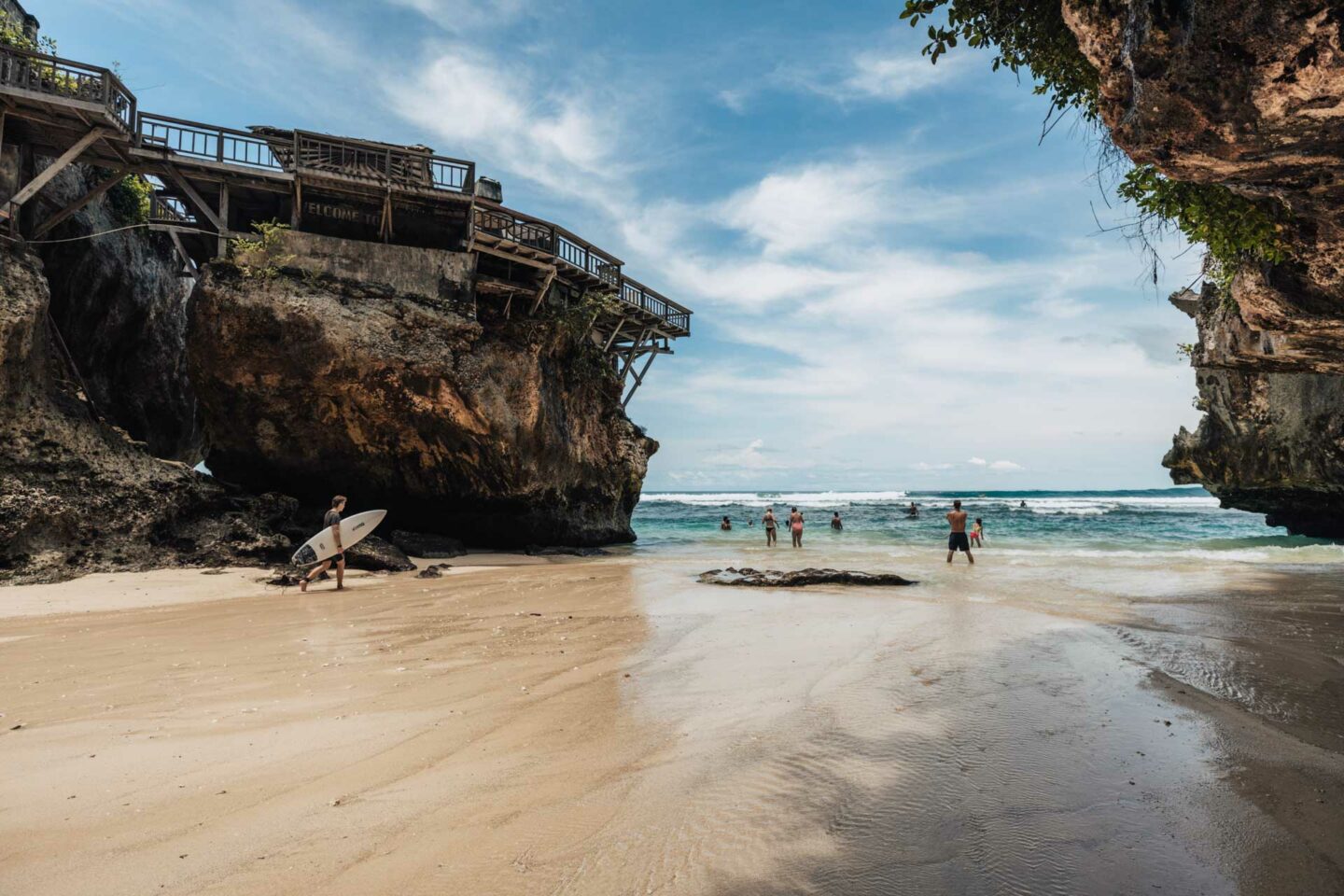
Reaching Suluban Beach is an adventure in itself. Visitors must navigate a series of steps and narrow paths carved into the cliffs, passing through local warungs (small shops and cafes) and surfboard rental stands. This descent culminates in a dramatic reveal of the beach, nestled between towering limestone cliffs. The journey down provides breathtaking views of the Indian Ocean and sets the stage for the secluded paradise that awaits.

The beach is known for its striking rock formations and caves, which are revealed at low tide. These natural features create a series of small, sandy coves and hidden spots, perfect for exploring and photography. The crystal-clear waters and vibrant marine life make it an excellent spot for snorkeling during calm conditions.

A Surfer’s Paradise

Suluban Beach is a haven for surfers, offering some of the best waves in Bali. The beach’s surf break, known as Blue Point, is famous for its consistent and powerful waves, attracting experienced surfers from around the world. The waves can be challenging, making it less suitable for beginners, but for seasoned surfers, it’s a paradise of barrels and long rides.

The beach is also home to several surf schools and rental shops, providing opportunities for those looking to improve their skills or rent equipment. The surf culture is strong here, and visitors will often see surfers hanging out in the cafes and warungs, sharing stories of their latest rides.

Relaxation and Spectacular Sunsets

While Suluban Beach is famous for surfing, it also offers a tranquil retreat for those looking to relax. The secluded nature of the beach means it’s often less crowded than other popular Bali beaches. Visitors can lounge on the soft sand, explore the tide pools, or simply enjoy the serene environment.

The beach is particularly famous for its sunsets. As the sun dips below the horizon, the sky transforms into a canvas of vibrant colors, reflected in the shimmering ocean. The view from the cliffs above the beach is especially spectacular, making it a perfect spot for an evening drink or a romantic moment.

Nearby Attractions

Suluban Beach is located close to other notable Uluwatu attractions. The iconic Uluwatu Temple, perched on a cliff with sweeping ocean views, is just a short drive away. Visitors can also explore the nearby beaches of Padang Padang and Bingin, each offering its own unique charm and surf spots.

Conclusion

Suluban Beach is a hidden gem that offers a unique blend of adventure, relaxation, and natural beauty. Whether you’re an avid surfer seeking the perfect wave, a nature enthusiast eager to explore the caves and cliffs, or someone looking to unwind in a tranquil setting, Suluban Beach has something to offer. Its stunning scenery, challenging surf breaks, and secluded atmosphere make it a standout destination on the beautiful island of Bali.