Good Guide

West Bali National Park

West Bali National Park

West Bali National Park: A Sanctuary of Biodiversity and Natural Beauty

Introduction

West Bali National Park, known locally as Taman Nasional Bali Barat, is a haven of natural beauty and biodiversity located on the northwestern tip of Bali. Covering an area of approximately 190 square kilometers, the park encompasses a diverse range of ecosystems, including rainforests, mangroves, savannahs, and coral reefs. It offers a unique opportunity to explore Bali’s unspoiled wilderness and discover its rich flora and fauna.

Ecological Diversity

West Bali National Park is home to a remarkable variety of habitats that support an array of wildlife. The park’s lush rainforests are teeming with plant species, while its mangrove swamps provide vital breeding grounds for fish and birds. The savannahs and dry forests are dotted with acacia trees and grasslands, creating a diverse landscape that changes with the seasons.

The marine areas of the park, including the coral reefs and seagrass beds around Menjangan Island, are particularly notable. These underwater ecosystems are vibrant with marine life, including colorful corals, tropical fish, sea turtles, and even occasional sightings of dolphins. The crystal-clear waters make it a popular destination for snorkeling and diving enthusiasts.

Wildlife and Conservation

West Bali National Park is a critical sanctuary for several endangered species. Most notably, it is the last refuge of the Bali starling (Leucopsar rothschildi), also known as the Bali myna, a striking white bird with blue eye patches and a fan-shaped crest. Conservation efforts within the park have been instrumental in preventing the extinction of this beautiful bird, which remains one of the park’s main attractions.

Other wildlife in the park includes the banteng (wild cattle), barking deer, monitor lizards, and a variety of monkeys. Birdwatchers can delight in the diversity of avian species, with over 160 different birds recorded in the park, including the Javan kingfisher, black-winged starling, and the lesser adjutant stork.

Activities and Exploration

Visitors to West Bali National Park can engage in a range of activities that highlight the park’s natural wonders. Guided trekking tours offer the chance to explore the dense forests and savannahs, with knowledgeable guides providing insights into the flora and fauna. Birdwatching tours are particularly popular, given the park’s rich avian diversity.

Snorkeling and diving around Menjangan Island are among the top activities, providing access to some of Bali’s most pristine coral reefs. The underwater visibility is excellent, and the reefs are home to a stunning array of marine life. Kayaking through the mangroves and coastal waters is another way to experience the park’s aquatic environments.

For those interested in cultural experiences, the park also contains several historic and religious sites, including old temples and the remains of Dutch colonial structures.

Conservation and Sustainable Tourism

West Bali National Park is not just a destination for nature lovers but also a center for conservation and sustainable tourism. The park authorities work closely with local communities and international organizations to promote sustainable practices, protect endangered species, and maintain the health of the ecosystems.

Efforts to rehabilitate and reintroduce the Bali starling into the wild are ongoing, with breeding programs and protected aviaries within the park. Visitors are encouraged to support these conservation initiatives by adhering to guidelines, minimizing their ecological footprint, and participating in eco-friendly activities.

Conclusion

West Bali National Park is a jewel of natural diversity and ecological significance. Its range of habitats, from lush rainforests to vibrant coral reefs, provides a sanctuary for a wide variety of species and a tranquil retreat for visitors. Whether trekking through forests, snorkeling among corals, or simply enjoying the serene landscapes, a visit to West Bali National Park offers an enriching experience that highlights the beauty and importance of Bali’s natural heritage.

Medewi Beach

Medewi Beach

Medewi Beach: A Surfer’s Haven on Bali’s West Coast

Introduction

Medewi Beach, located on Bali’s lesser-explored west coast in the Jembrana Regency, is a hidden gem known for its long, mellow waves and serene atmosphere. Far from the bustling crowds of Bali’s southern beaches, Medewi offers a tranquil escape with a laid-back vibe, making it a favorite destination for surfers and those seeking a more relaxed experience.

Scenic Beauty and Natural Charm

Medewi Beach is characterized by its distinctive black volcanic sand and rocky shoreline, which contrasts beautifully with the deep blue waters of the Indian Ocean. The beach is surrounded by lush green rice paddies and coconut groves, creating a picturesque landscape that is quintessentially Balinese. The natural beauty of Medewi is unspoiled, offering a serene environment perfect for unwinding and soaking in the tranquil atmosphere.

Surfing Paradise

The main draw of Medewi Beach is its exceptional surfing conditions. Known for its long, peeling left-hand waves, Medewi is considered one of the best surf spots in Bali for longboarders and intermediate surfers. The waves here are consistent and gentle, making it an ideal place to practice and enjoy leisurely rides. Surfing at Medewi is less crowded compared to Bali’s more famous surf spots, allowing surfers to enjoy the waves without the hassle of competing for space.

For those new to surfing, several surf schools and local instructors offer lessons and equipment rentals. The friendly local surf community is welcoming and helpful, making it a great place for beginners to learn and improve their skills.

Local Culture and Community

Medewi Beach is part of a traditional Balinese village, where the local way of life remains largely untouched by tourism. Visitors can experience authentic Balinese culture, from the daily rituals and ceremonies to the friendly interactions with locals. The village atmosphere is laid-back and peaceful, providing a refreshing contrast to the more commercialized areas of Bali.

Activities and Exploration

Beyond surfing, Medewi Beach offers a range of activities for visitors. The surrounding area is perfect for leisurely walks, cycling through the rice fields, and exploring the nearby villages. The sunsets at Medewi are spectacular, with the sun dipping below the horizon, casting a golden glow over the ocean and the landscape.

Fishing is another popular activity, with local fishermen often seen casting their nets or setting out to sea in traditional wooden boats. Visitors can join fishing trips or simply enjoy the sight of the fishermen at work, adding to the charm of this coastal retreat.

Accommodation and Dining

Medewi Beach offers a variety of accommodation options, from budget-friendly guesthouses to more upscale resorts. These establishments often blend harmoniously with the natural surroundings, providing comfortable stays with stunning views of the beach and the ocean.

Dining options at Medewi are diverse, with local warungs (small eateries) offering delicious Balinese cuisine, fresh seafood, and international dishes. The laid-back beach cafes and restaurants provide the perfect setting for enjoying meals while taking in the beautiful coastal scenery.

Conclusion

Medewi Beach is a serene and captivating destination that offers the perfect blend of natural beauty, excellent surfing conditions, and authentic Balinese culture. Whether you’re an avid surfer, a nature lover, or someone seeking a peaceful retreat, Medewi Beach promises an enriching and memorable experience away from the crowds. Its unique charm and tranquil atmosphere make it a must-visit spot on Bali’s west coast.

Subak Museum

Subak Museum

Subak Museum: Preserving Bali’s Agricultural Heritage

Introduction

Located in the town of Tabanan, the Subak Museum is a unique cultural institution dedicated to preserving and showcasing Bali’s traditional irrigation system known as Subak. This museum offers visitors an in-depth look at the intricate and sustainable agricultural practices that have supported Balinese rice farming for centuries. The Subak system is a testament to the island’s rich cultural heritage and communal values.

Historical and Cultural Significance

The Subak system is an ancient irrigation method that dates back to the 9th century. It is a cooperative water management system used to irrigate rice fields, ensuring fair and efficient distribution of water. The system is intricately linked to Balinese Hinduism, emphasizing the concept of Tri Hita Karana, which promotes harmony among people, nature, and the spiritual realm. Recognized by UNESCO as a World Heritage Site in 2012, the Subak system is celebrated for its contribution to sustainable agriculture and its role in fostering community spirit.

Exhibits and Collections

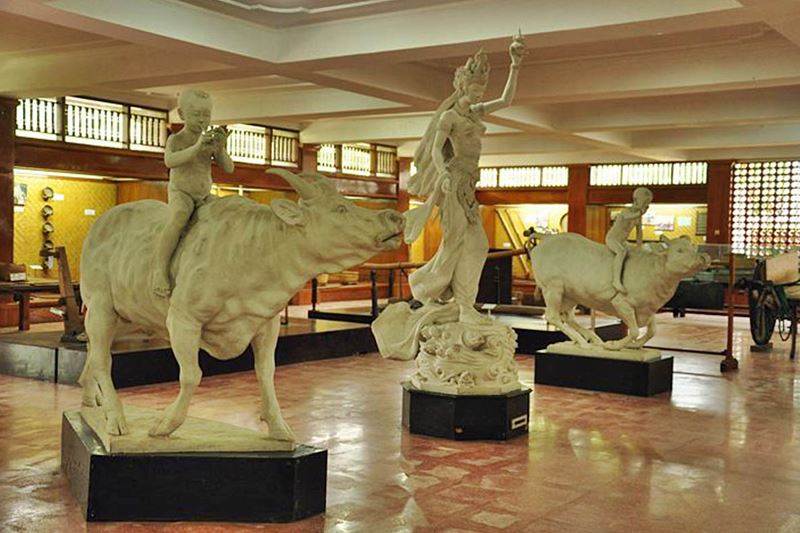
The Subak Museum features a variety of exhibits that provide insights into the history, technology, and cultural significance of the Subak system. The museum’s collections include traditional tools and equipment used in rice farming, such as plows, sickles, and waterwheels. These artifacts illustrate the evolution of agricultural practices in Bali and highlight the ingenuity of local farmers.

One of the key exhibits is a detailed model of a Subak irrigation system, demonstrating how water is channeled from natural springs and rivers through a network of canals and weirs to reach the rice terraces. This model helps visitors understand the complexity and efficiency of the system.

The museum also houses dioramas and photographs that depict various stages of rice cultivation, from planting to harvesting. These visual aids, along with informative panels, provide a comprehensive overview of the entire agricultural process and the communal labor involved.

Educational Programs and Activities

The Subak Museum offers educational programs and workshops aimed at promoting awareness of traditional agricultural practices and environmental sustainability. Visitors can participate in hands-on activities such as traditional rice planting and harvesting, providing a deeper appreciation of the labor and skill required in rice farming.

Guided tours are available, offering detailed explanations of the exhibits and the historical context of the Subak system. These tours are led by knowledgeable guides who share fascinating stories and insights about Balinese culture and agriculture.

Importance of Preservation

The Subak Museum plays a crucial role in preserving Bali’s agricultural heritage, particularly as modern development poses challenges to traditional practices. By educating both locals and tourists about the Subak system, the museum helps to ensure the continued appreciation and protection of this vital cultural legacy.

Conclusion

The Subak Museum is a valuable cultural institution that provides an in-depth look at one of Bali’s most significant contributions to sustainable agriculture. Through its exhibits, educational programs, and hands-on activities, the museum offers a comprehensive and engaging experience that highlights the ingenuity, tradition, and communal spirit of Balinese rice farming. A visit to the Subak Museum not only enriches one’s understanding of Bali’s cultural heritage but also underscores the importance of preserving traditional practices in the face of modern challenges.

Kecak Dance Uluwatu Temple

Kecak Dance Uluwatu Temple

The Kecak Dance at Uluwatu Temple: A Spectacle of Balinese Culture

Introduction

The Kecak Dance, performed at the Uluwatu Temple, is one of Bali’s most captivating cultural experiences. Set against the dramatic backdrop of the Indian Ocean and the stunning Uluwatu Temple at sunset, this unique performance combines traditional Balinese storytelling, music, and dance. The Kecak Dance is not just a performance; it’s an immersion into the rich cultural tapestry of Bali.

Historical Origins

The Kecak Dance, also known as the Ramayana Monkey Chant, has its roots in an ancient Balinese ritual called Sanghyang, which was a trance-inducing exorcism dance. In the 1930s, the German painter and musician Walter Spies collaborated with Balinese dancers to transform this ritual into a dramatic performance based on the Ramayana, one of the great Hindu epics. This adaptation gave birth to the Kecak Dance as it is known today.

The Story of Ramayana

The Kecak Dance at Uluwatu Temple tells the story of the Ramayana, focusing on the abduction of Sita, the wife of Prince Rama, by the demon king Ravana, and her eventual rescue. The narrative is brought to life through the movements of the dancers and the rhythmic chanting of a large male chorus, who sit in a circle around the performers.

The story unfolds with Hanuman, the white monkey god, and his army assisting Rama in the rescue of Sita. The dance is characterized by its intricate choreography, expressive gestures, and dramatic facial expressions, all set to the mesmerizing “cak-cak-cak” chant of the chorus.

The Performance

Held daily at the Uluwatu Temple’s open-air amphitheater, the Kecak Dance begins as the sun starts to set, creating a spectacular natural backdrop for the performance. The amphitheater’s location on a cliff edge offers stunning views of the ocean, enhancing the magical atmosphere of the dance.

The performance starts with the male chorus chanting “cak” rhythmically, creating a hypnotic sound that forms the foundation of the dance. As the story progresses, the dancers enter the circle, portraying the various characters of the Ramayana with elaborate costumes and masks. The absence of traditional musical instruments is a unique aspect of the Kecak Dance, with the chorus providing all the necessary sounds and rhythms.

Cultural Significance

The Kecak Dance is not only a form of entertainment but also a deep expression of Balinese culture and spirituality. It reflects the island’s rich traditions and the integration of Hindu epics into local customs. The dance also serves as a reminder of the importance of storytelling in preserving cultural heritage.

Conclusion

Experiencing the Kecak Dance at Uluwatu Temple is a highlight for many visitors to Bali. The combination of the captivating performance, the historical significance of the Ramayana story, and the breathtaking setting makes it a truly unforgettable experience. Whether you are a culture enthusiast, a history buff, or simply someone looking to enjoy a unique evening, the Kecak Dance at Uluwatu Temple offers a profound glimpse into the heart of Balinese tradition and artistry.

Uluwatu Temple

Uluwatu Temple

Uluwatu Temple: Bali’s Cliffside Sanctuary

Introduction

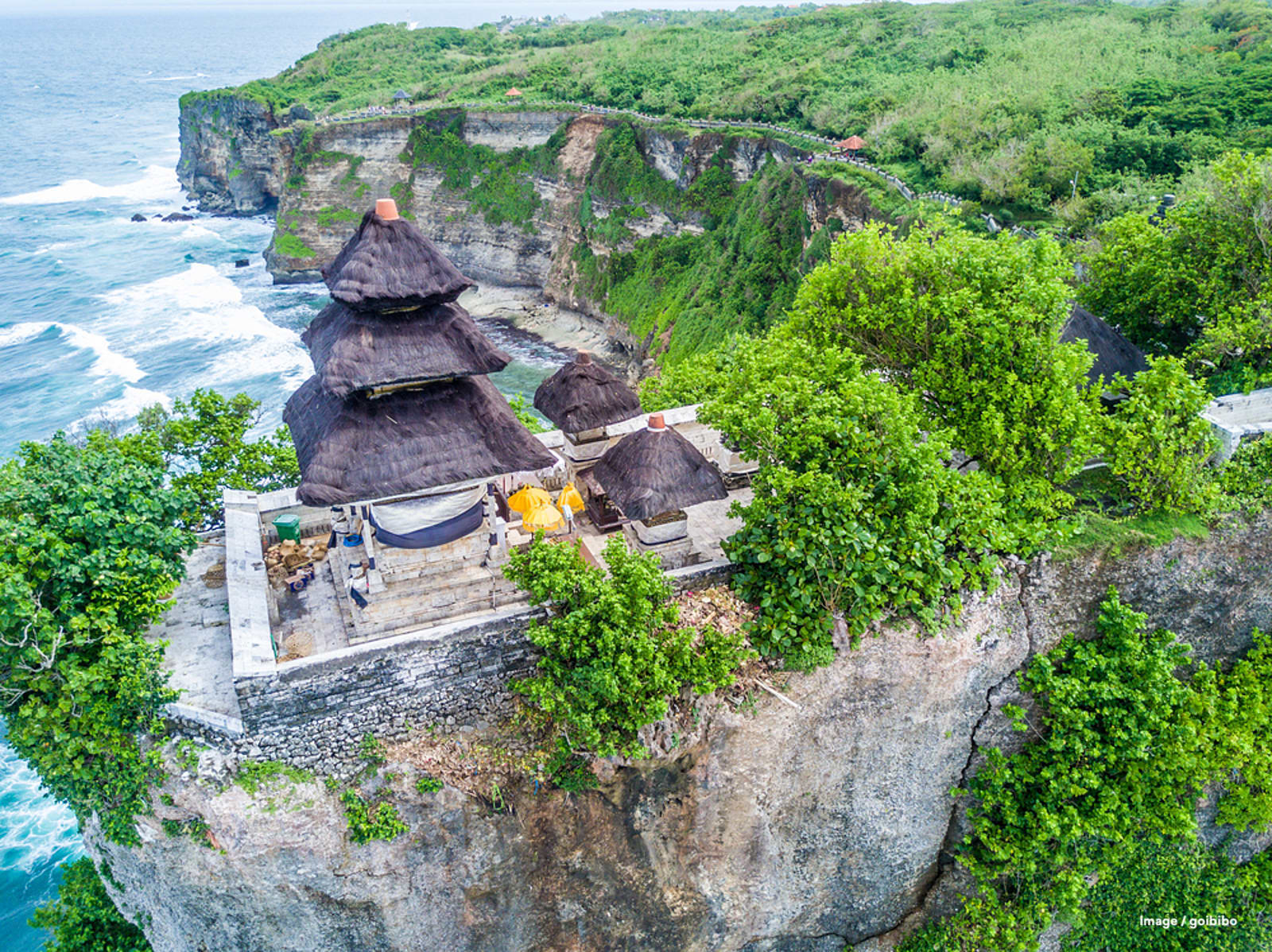
Perched majestically on a steep cliff overlooking the Indian Ocean, Uluwatu Temple (Pura Luhur Uluwatu) is one of Bali’s most iconic and spiritually significant sites. This ancient temple, dating back to the 11th century, offers visitors a breathtaking combination of cultural heritage, dramatic seascapes, and mesmerizing sunsets, making it a must-visit destination for anyone exploring the island.

Historical and Spiritual Significance

Uluwatu Temple is one of the six key temples believed to be Bali’s spiritual pillars. It is dedicated to Sang Hyang Widhi Wasa in his manifestation as Rudra, the Hindu god of storm and wind. The temple is said to protect Bali from evil sea spirits and is an essential part of Balinese spirituality and religious life.

The temple’s history is intertwined with that of the revered priest Dang Hyang Nirartha, who is credited with establishing several important temples in Bali. According to legend, Nirartha attained moksha (spiritual liberation) at Uluwatu, and his spirit is believed to dwell in the temple, adding to its sacredness.

Architectural Marvel

The architecture of Uluwatu Temple is a testament to classical Balinese design. The temple complex is built on the edge of a 70-meter-high cliff, offering stunning views of the ocean waves crashing against the rocks below. The main temple structure features traditional Balinese carvings and stonework, with intricate motifs that depict mythological scenes and deities.

The temple grounds include several smaller shrines, gateways, and courtyards, all connected by well-maintained pathways that meander through lush gardens. The entrance is guarded by stone statues of Ganesha, the elephant-headed god, symbolizing protection and wisdom.

Scenic Beauty and Wildlife

One of the main attractions of Uluwatu Temple is its spectacular location. The cliffside setting provides panoramic views of the Indian Ocean, especially during sunset, when the sky transforms into a canvas of vibrant colors. The sight of the sun dipping below the horizon, with the temple silhouetted against the glowing sky, is truly awe-inspiring.

The temple grounds are also home to a population of long-tailed macaques. These monkeys are notorious for their playful and sometimes mischievous behavior, often snatching visitors’ belongings. While they add a lively element to the visit, it’s advisable to keep a close eye on personal items.

Cultural Performances

Uluwatu Temple is renowned for its traditional Kecak dance performances, held daily at an open-air amphitheater near the temple. The Kecak dance, also known as the Ramayana Monkey Chant, involves a group of men chanting “cak” rhythmically while enacting scenes from the Ramayana epic. The performance, set against the backdrop of the setting sun and the ocean, creates a magical and unforgettable experience.

Practical Information

Visitors to Uluwatu Temple are required to wear a sarong and sash, which are provided at the entrance. Modest dress is appreciated out of respect for the sacred site. The temple can be easily reached from popular tourist areas such as Kuta and Seminyak, making it a convenient day trip.

Conclusion

Uluwatu Temple is a cultural and spiritual treasure that encapsulates the essence of Bali. Its dramatic cliffside location, rich history, and stunning architecture make it a captivating destination for travelers. Whether you are drawn by its religious significance, architectural beauty, or breathtaking views, a visit to Uluwatu Temple promises an enriching and memorable experience.

Garuda Wisnu Kencana

Garuda Wisnu Kencana

Garuda Wisnu Kencana: Bali’s Majestic Cultural Park

Introduction

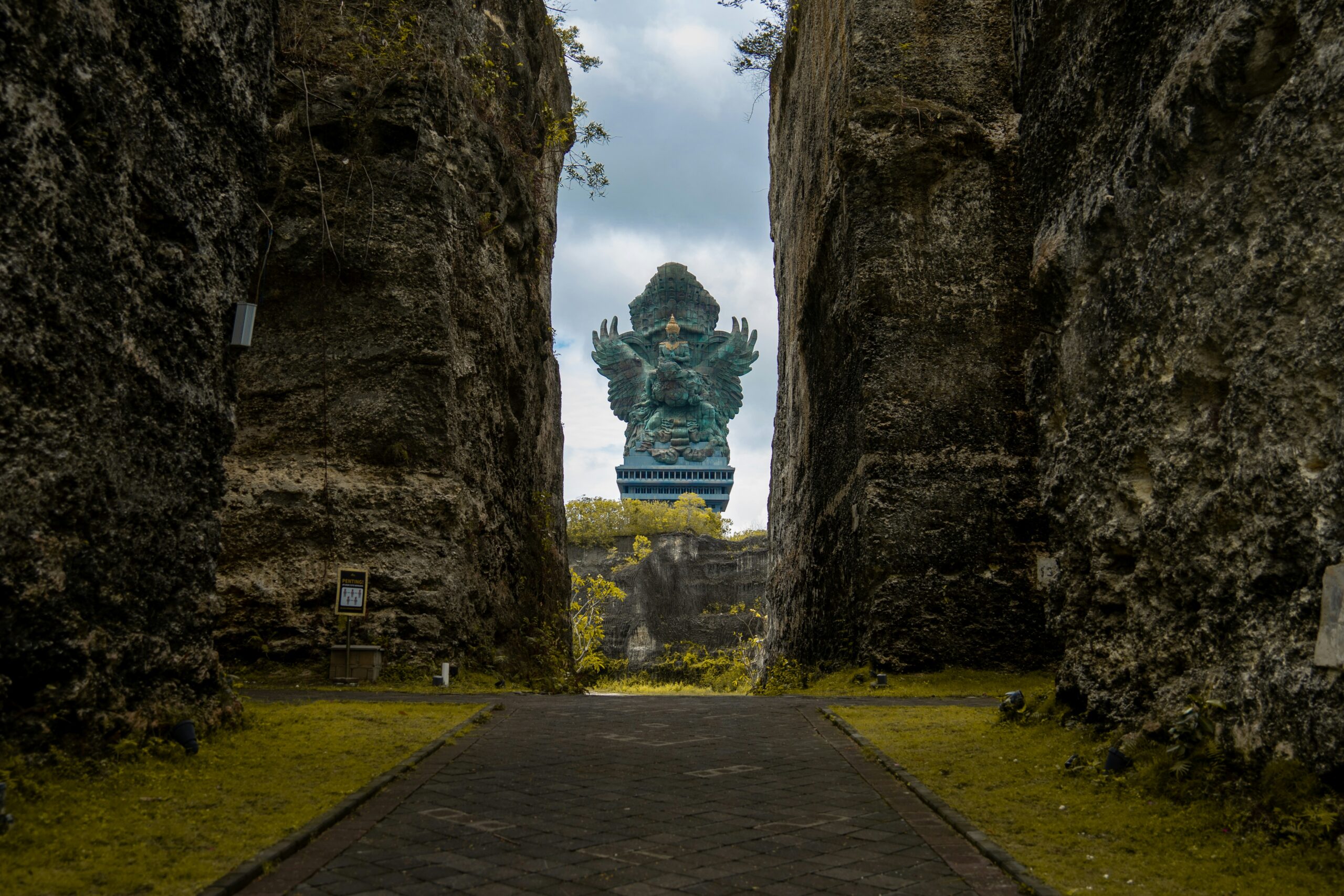
Garuda Wisnu Kencana (GWK) is a cultural park and iconic landmark located in the Bukit Peninsula of Bali. Dominated by the towering statue of Vishnu riding the mythical bird Garuda, GWK is a testament to Indonesia’s rich cultural heritage and artistic prowess. The park offers visitors a blend of monumental art, cultural performances, and panoramic views, making it a must-visit destination in Bali.

The Monumental Statue

The centerpiece of GWK Cultural Park is the Garuda Wisnu Kencana statue, one of the tallest statues in the world. Standing at an impressive height of 121 meters, it depicts the Hindu god Vishnu riding on his mount, Garuda. The statue is made of copper and brass and took over two decades to complete, finally being inaugurated in 2018. It symbolizes the mission of preserving nature and the world, embodying a deep spiritual significance.

Designed by renowned Balinese sculptor Nyoman Nuarta, the statue is a marvel of contemporary engineering and traditional Balinese artistry. Visitors can marvel at the intricate details and sheer scale of the statue, which can be seen from various points across southern Bali.

Cultural Performances and Events

GWK Cultural Park is not just about the statue; it’s also a vibrant center for Balinese culture. The park hosts daily cultural performances, including traditional Balinese dance, music, and theater. These performances offer visitors a glimpse into Bali’s rich cultural traditions and are staged in various venues within the park, such as the Amphitheater and the Street Theater.

One of the highlights is the Kecak dance, a mesmerizing performance featuring rhythmic chanting and intricate choreography. The Barong dance, another popular show, narrates the eternal battle between good and evil through elaborate costumes and expressive movements.

The Cultural Park

The sprawling 60-hectare park is designed to showcase Bali’s cultural and natural heritage. Visitors can explore the Lotus Pond, the largest outdoor venue in the park, surrounded by towering limestone pillars and lush gardens. The Lotus Pond often hosts large-scale events, concerts, and festivals.

Other attractions within the park include the Indraloka Garden, which offers panoramic views of Bali, and the Tirta Agung, a serene area with a water feature that adds to the park’s tranquil ambiance. The park also features an exhibition hall where visitors can learn about the history and cultural significance of the Garuda Wisnu Kencana statue and the park itself.

Dining and Shopping

GWK Cultural Park also caters to culinary enthusiasts with a variety of dining options. Visitors can enjoy traditional Balinese cuisine and international dishes at the on-site restaurants and cafes. The park’s souvenir shops offer a range of locally made handicrafts, clothing, and artworks, providing perfect mementos of the visit.

Conclusion

Garuda Wisnu Kencana Cultural Park is a symbol of Balinese art, culture, and spirituality. With its awe-inspiring statue, rich cultural performances, and serene landscapes, GWK offers a unique and enriching experience for visitors. It is a place where history, culture, and art come together, providing a deep insight into Bali’s heritage and a spectacular view of its future. Whether you are an art lover, a cultural enthusiast, or simply seeking a memorable experience, GWK Cultural Park is a destination that should not be missed on your Bali itinerary.

Melasti Beach

Melasti Beach

Melasti Beach: Bali’s Pristine Coastal Paradise

Introduction

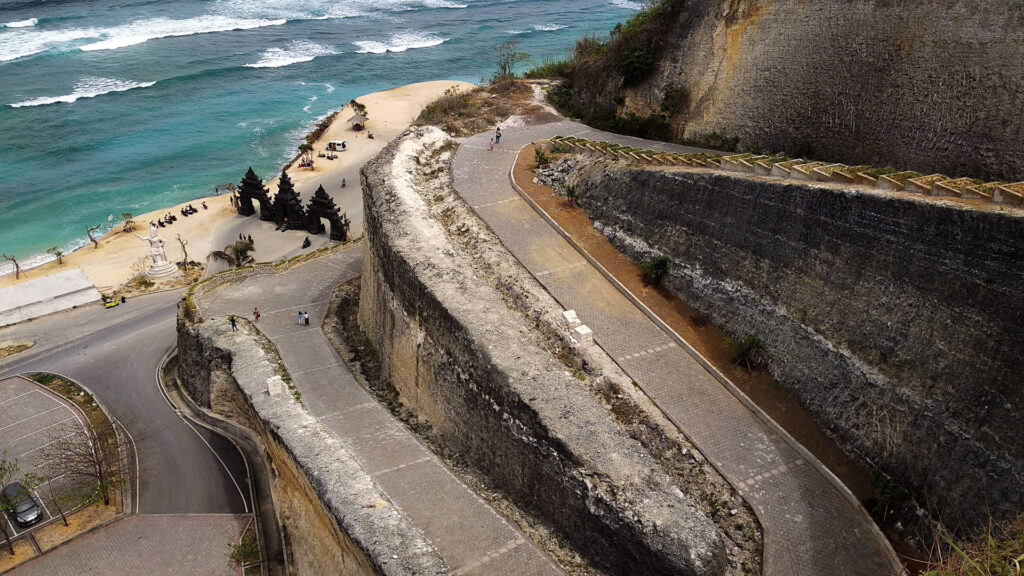
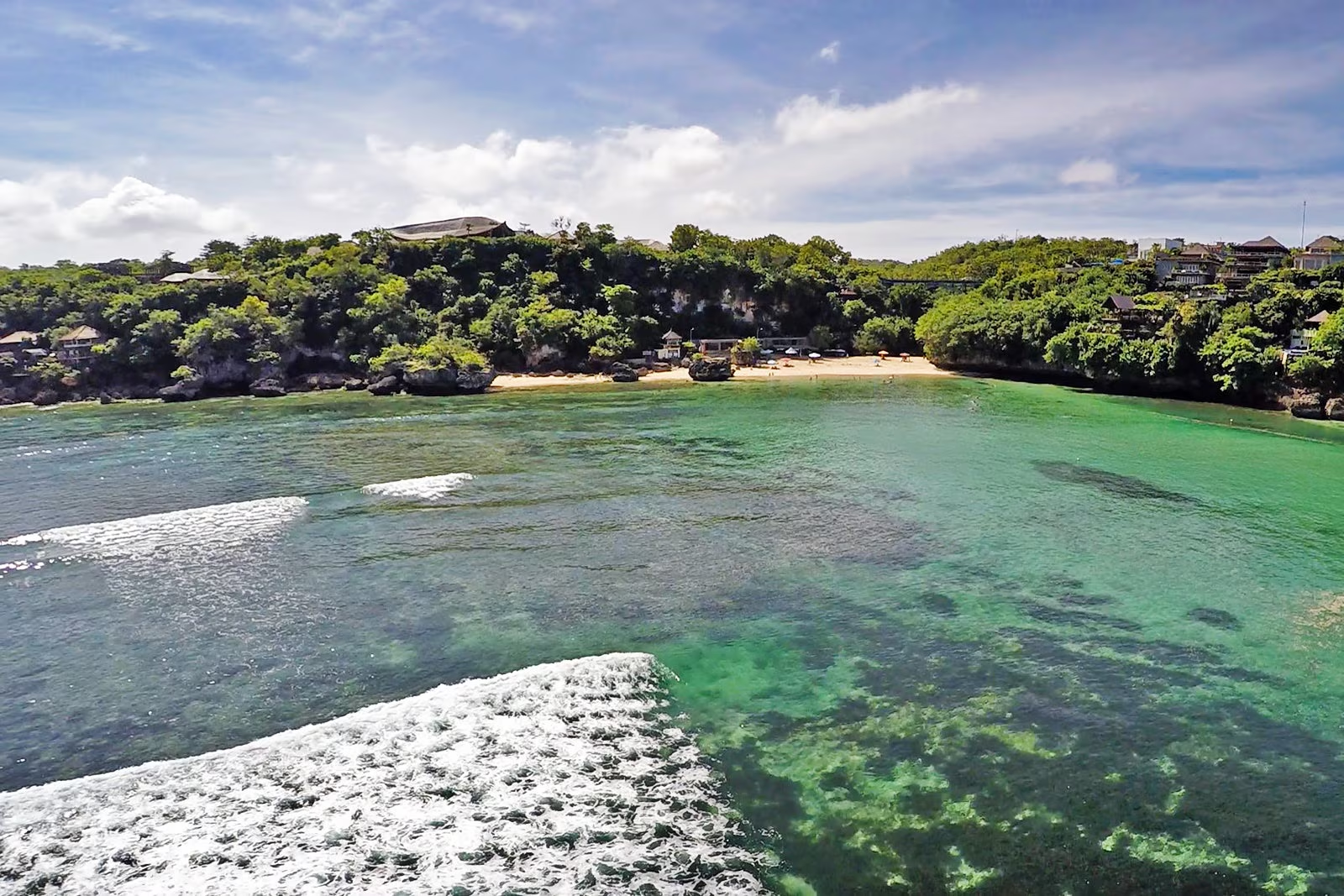
Melasti Beach, located in the southern part of Bali’s Bukit Peninsula, is a stunning hidden gem that offers a perfect blend of natural beauty and serene ambiance. Known for its crystal-clear waters, pristine white sand, and dramatic limestone cliffs, The Beach is a must-visit destination for those seeking a tranquil escape away from the more crowded tourist spots.

Scenic Beauty and Unique Landscape

Melasti Beach is renowned for its breathtaking scenery. The beach is framed by towering limestone cliffs that provide a dramatic backdrop to the turquoise waters of the Indian Ocean. The contrast between the rugged cliffs and the soft, white sand creates a picturesque landscape that is ideal for photography and relaxation.

The journey to Melasti Beach is an experience in itself. Visitors descend a winding road that has been carved into the cliffs, offering panoramic views of the coastline along the way. This descent is not only visually stunning but also adds to the sense of seclusion and exclusivity that offers.

Crystal Clear Waters and Marine Life

The waters at Melasti Beach are exceptionally clear, making it a perfect spot for swimming and snorkeling. The calm and shallow waters near the shore are ideal for families and less experienced swimmers. The vibrant marine life and coral reefs just off the coast make for an excellent snorkeling adventure, allowing visitors to explore the underwater beauty of Bali.

Ideal Spot for Relaxation

One of the main attractions of Melasti Beach is its tranquility. Unlike the more popular beaches in Bali, remains relatively uncrowded, offering a peaceful environment to relax and unwind. Visitors can lounge on the soft sand, enjoy a beach picnic, or take a leisurely stroll along the shoreline, soaking in the natural beauty and serenity.

Spectacular Sunsets

Melasti Beach is also known for its stunning sunsets. As the sun dips below the horizon, the sky is painted in hues of orange, pink, and purple, creating a mesmerizing display. The reflection of the sunset on the calm waters adds to the magical atmosphere, making it a perfect spot for evening relaxation and photography.

Cultural Significance

Melasti Beach holds cultural importance for the local Balinese community. It is often used for Melasti ceremonies, a purification ritual performed by Balinese Hindus before the Nyepi (Balinese New Year). During these ceremonies, locals dressed in traditional attire gather at the beach to purify sacred objects and cleanse themselves in the ocean, adding a unique cultural dimension to the visit.

Nearby Attractions

Located near other notable destinations on the Bukit Peninsula, Melasti Beach is a great addition to any travel itinerary. Visitors can explore the nearby Uluwatu Temple, enjoy the surf at Padang Padang Beach, or visit the cliffside cafes and bars that offer spectacular ocean views.

Conclusion

Melasti Beach is a pristine coastal paradise that offers a serene escape from the bustling tourist areas of Bali. With its crystal-clear waters, stunning scenery, and tranquil ambiance, it is a perfect destination for relaxation, swimming, snorkeling, and experiencing the natural and cultural beauty of Bali. Whether you are seeking a peaceful retreat or a picturesque spot to capture the beauty of Bali, Melasti Beach promises an unforgettable experience.

Suluban Beach

Suluban Beach

Suluban Beach: Bali’s Hidden Gem for Surf and Scenery

Introduction

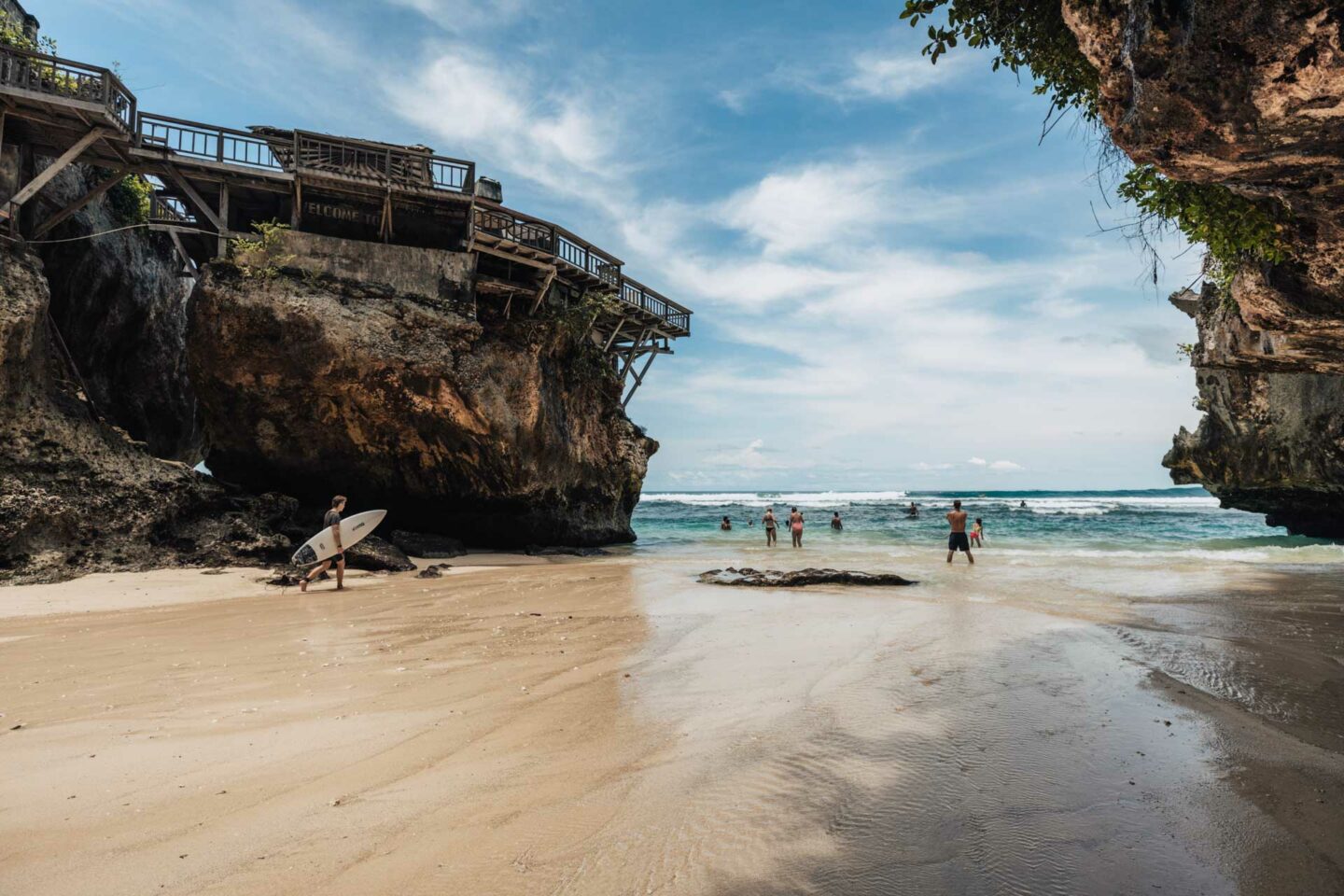
Suluban Beach, also known as Blue Point Beach, is one of Bali’s best-kept secrets. Tucked away in the cliffs of Uluwatu on the Bukit Peninsula, this beach is renowned for its stunning scenery, world-class surf breaks, and hidden caves. Its unique charm and natural beauty make it a must-visit destination for those seeking a more secluded and adventurous beach experience in Bali.

Scenic Beauty and Unique Access

Reaching Suluban Beach is an adventure in itself. Visitors must navigate a series of steps and narrow paths carved into the cliffs, passing through local warungs (small shops and cafes) and surfboard rental stands. This descent culminates in a dramatic reveal of the beach, nestled between towering limestone cliffs. The journey down provides breathtaking views of the Indian Ocean and sets the stage for the secluded paradise that awaits.

The beach is known for its striking rock formations and caves, which are revealed at low tide. These natural features create a series of small, sandy coves and hidden spots, perfect for exploring and photography. The crystal-clear waters and vibrant marine life make it an excellent spot for snorkeling during calm conditions.

A Surfer’s Paradise

Suluban Beach is a haven for surfers, offering some of the best waves in Bali. The beach’s surf break, known as Blue Point, is famous for its consistent and powerful waves, attracting experienced surfers from around the world. The waves can be challenging, making it less suitable for beginners, but for seasoned surfers, it’s a paradise of barrels and long rides.

The beach is also home to several surf schools and rental shops, providing opportunities for those looking to improve their skills or rent equipment. The surf culture is strong here, and visitors will often see surfers hanging out in the cafes and warungs, sharing stories of their latest rides.

Relaxation and Spectacular Sunsets

While Suluban Beach is famous for surfing, it also offers a tranquil retreat for those looking to relax. The secluded nature of the beach means it’s often less crowded than other popular Bali beaches. Visitors can lounge on the soft sand, explore the tide pools, or simply enjoy the serene environment.

The beach is particularly famous for its sunsets. As the sun dips below the horizon, the sky transforms into a canvas of vibrant colors, reflected in the shimmering ocean. The view from the cliffs above the beach is especially spectacular, making it a perfect spot for an evening drink or a romantic moment.

Nearby Attractions

Suluban Beach is located close to other notable Uluwatu attractions. The iconic Uluwatu Temple, perched on a cliff with sweeping ocean views, is just a short drive away. Visitors can also explore the nearby beaches of Padang Padang and Bingin, each offering its own unique charm and surf spots.

Conclusion

Suluban Beach is a hidden gem that offers a unique blend of adventure, relaxation, and natural beauty. Whether you’re an avid surfer seeking the perfect wave, a nature enthusiast eager to explore the caves and cliffs, or someone looking to unwind in a tranquil setting, Suluban Beach has something to offer. Its stunning scenery, challenging surf breaks, and secluded atmosphere make it a standout destination on the beautiful island of Bali.

Bali Botanical Garden

Bali Botanical Garden

Exploring the Bali Botanical Garden: A Lush Retreat in Bedugul

Introduction

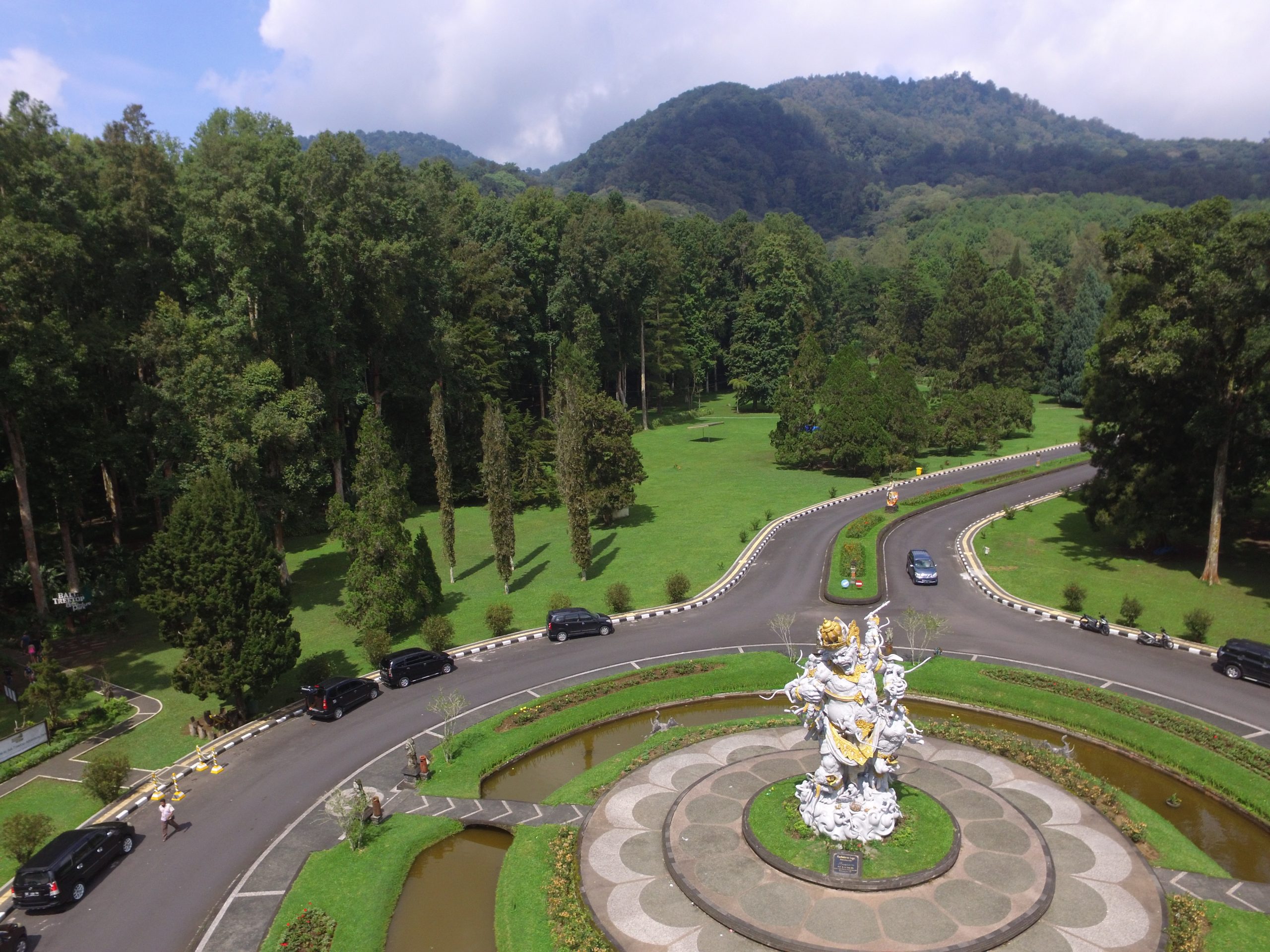
Situated in the cool highlands of Bedugul, the Bali Botanical Garden (Kebun Raya Bali) is a sprawling sanctuary of lush greenery and diverse plant species. As the largest botanical garden in Indonesia, it offers a tranquil retreat from the bustling tourist spots, providing visitors with a unique opportunity to explore Bali’s rich flora in a serene and educational environment.

A Glimpse into Nature’s Diversity

Established in 1959, the Bali Botanical Garden spans over 157 hectares, showcasing more than 2,000 plant species. The garden’s collection includes orchids, ferns, cacti, medicinal plants, and an extensive variety of trees. Each section of the garden is meticulously curated, offering a deep dive into different aspects of tropical horticulture. The orchid collection is particularly notable, featuring a wide range of both local and exotic species in full bloom, captivating visitors with their vibrant colors and intricate patterns.

Themed Gardens and Attractions

The Bali Botanical Garden is divided into several themed areas, each offering a unique botanical experience. The Fern Garden, for instance, boasts an impressive collection of fern species, thriving in the garden’s cool and humid climate. The Medicinal Plant Garden highlights plants used in traditional Balinese medicine, providing insights into the island’s ethnobotanical heritage.

One of the most popular sections is the Treetop Adventure Park, where visitors can enjoy an exhilarating experience navigating treetop rope courses and zip lines. This attraction is perfect for families and adventure seekers, offering a fun way to appreciate the garden’s lush canopy from above.

Educational and Research Opportunities

Beyond its role as a tourist attraction, the Bali Botanical Garden serves as a center for botanical research and conservation. It collaborates with various institutions to study and preserve Indonesia’s rich plant biodiversity. The garden’s Herbarium Baliensis is home to thousands of plant specimens, making it an invaluable resource for botanists and researchers.

Educational programs and guided tours are available for visitors interested in learning more about the garden’s plant species and their ecological significance. These programs aim to raise awareness about the importance of plant conservation and sustainable horticultural practices.

Cultural and Recreational Activities

The Bali Botanical Garden also embraces Bali’s cultural heritage. Various cultural events and festivals are held in the garden, celebrating the island’s traditional music, dance, and crafts. These events provide a unique opportunity to experience Balinese culture in a natural setting.

Visitors can also enjoy leisurely walks along the garden’s well-maintained paths, picnic in designated areas, and take in the panoramic views of the surrounding mountains and Lake Beratan. The cool, refreshing climate of Bedugul makes it an ideal spot for relaxation and outdoor activities.

Conclusion

The Bali Botanical Garden is a lush retreat that offers a perfect blend of natural beauty, educational opportunities, and cultural experiences. Whether you are a nature enthusiast, a researcher, or simply seeking a peaceful escape, the garden provides an enriching experience that showcases the diversity and splendor of Bali’s flora. A visit to the Bali Botanical Garden is a journey through the island’s botanical treasures, offering a serene and insightful exploration of nature’s wonders.

Beratan Lake

Beratan Lake

Discover the Tranquility of Beratan Lake: Bali’s Highland Gem

Introduction

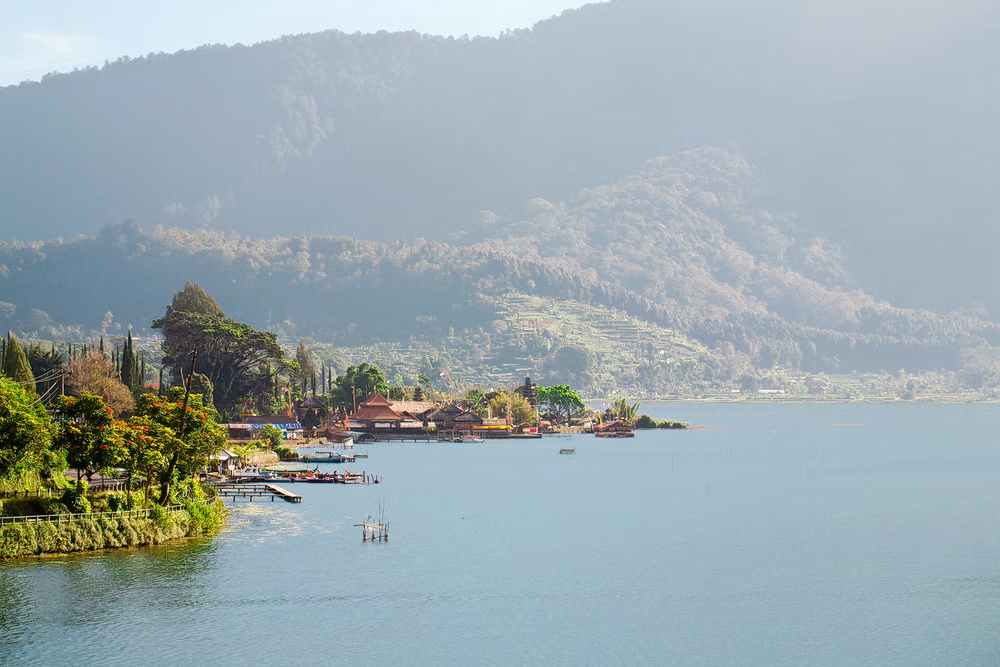
Nestled in the cool highlands of Bedugul, Beratan Lake is one of Bali’s most captivating natural attractions. This serene lake, surrounded by misty mountains and lush greenery, offers visitors a refreshing escape from the island’s tropical heat. Renowned for its tranquil beauty and the iconic Ulun Danu Beratan Temple that sits on its shore, Beratan Lake is a must-visit destination for nature lovers and those seeking a peaceful retreat.

Scenic Beauty and Natural Splendor

Beratan Lake, is the second largest lake in Bali, covering an area of approximately 375 hectares. Situated at an altitude of 1,200 meters above sea level, the lake enjoys a cool, temperate climate year-round. The calm, reflective waters of Beratan Lake, framed by the lush slopes of the surrounding mountains, create a stunning and serene landscape that captivates every visitor. Early mornings often greet visitors with a mystical mist hovering over the lake, enhancing its ethereal beauty.

Ulun Danu Beratan Temple

One of the main highlights of Beratan Lake is the Ulun Danu Beratan Temple, a famous water temple that appears to float on the lake. Dedicated to Dewi Danu, the goddess of water, this temple is not only a significant cultural and spiritual site but also an iconic symbol of Bali. The temple complex, with its multi-tiered meru structures, offers a picturesque and tranquil setting, making it a favorite spot for photography and contemplation.

Activities and Attractions

Visitors to Beratan Lake can engage in a variety of activities. Boating is a popular choice, with paddleboats and traditional wooden boats available for rent. Exploring the lake by boat provides a unique perspective and an opportunity to appreciate the surrounding natural beauty up close. Fishing is another enjoyable activity, with the lake being home to a variety of freshwater fish.

For those interested in flora, the nearby Bali Botanical Garden (Kebun Raya Eka Karya) offers an extensive collection of tropical plants and a serene environment for leisurely walks. The garden is home to thousands of plant species, including rare orchids and medicinal plants, making it a haven for botany enthusiasts.

Local Culture and Cuisine

The area around Beratan Lake is rich in local culture. The Candi Kuning Market, located nearby, is a vibrant market where visitors can sample local produce, including strawberries, corn, and an array of tropical fruits. Traditional Balinese snacks and souvenirs are also available, providing a taste of the local culture.

Conclusion

Beratan Lake, with its serene waters, stunning natural scenery, and cultural significance, offers a unique and enriching experience for visitors. Whether you’re seeking relaxation, adventure, or cultural immersion, has something to offer. Its tranquil beauty and the iconic Ulun Danu Beratan Temple make it a highlight of any trip to Bali, promising unforgettable memories and a deep connection with the island’s natural and cultural heritage.